
From Tragedy to Triumph: How Tigran Petrosian Mastered Prophylaxis in Chess
how petrisoan became the most solid player
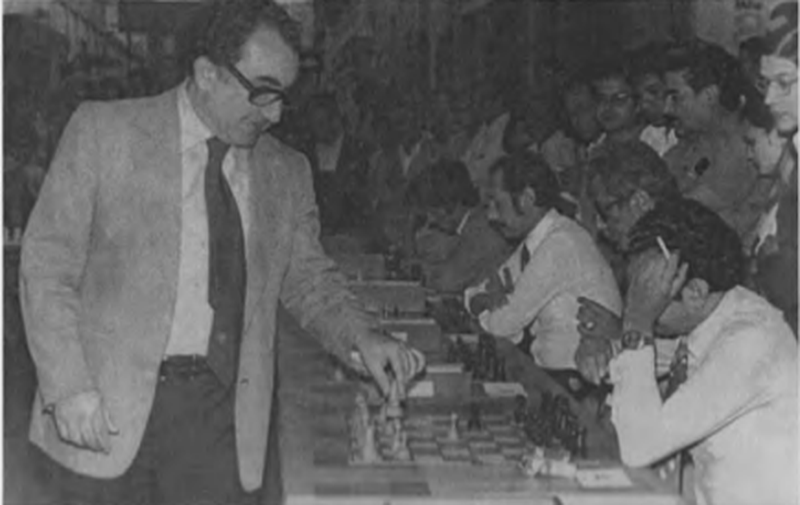
Tigran Petrosian's journey to becoming a master of prophylaxis was deeply influenced by the adversity he faced in his early life. After losing his parents during World War II, he was forced to work as a street sweeper to support himself and his aunt. Living in poverty, Petrosian once gambled on a chess game for food, only to lose and go hungry in the freezing cold. This harsh reality shaped his chess philosophy—he developed a deep aversion to unnecessary risks and favored caution and precision over aggression.
Despite having an aggressive instinct in the early stages of his chess development, this fear of risk gradually transformed his playing style into one of defensive mastery. Petrosian became famous for his ability to anticipate and neutralize his opponent's threats long before they materialized—a key component of prophylactic play. His games were often a study in subtlety, where his focus on preventing opponent's plans led him to brilliant defensive and strategic ideas.
Petrosian's solid openings, such as the English Opening and variations in the Queen's Indian Defense (4.a3) and King's Indian Defense (7.d5), were extensions of his overall philosophy. His ability to turn defense into offense earned him the nickname "Iron Tigran." Petrosian’s legacy, as he described in his writings, influenced many players, including Garry Kasparov, showcasing the depth of his strategic foresight.
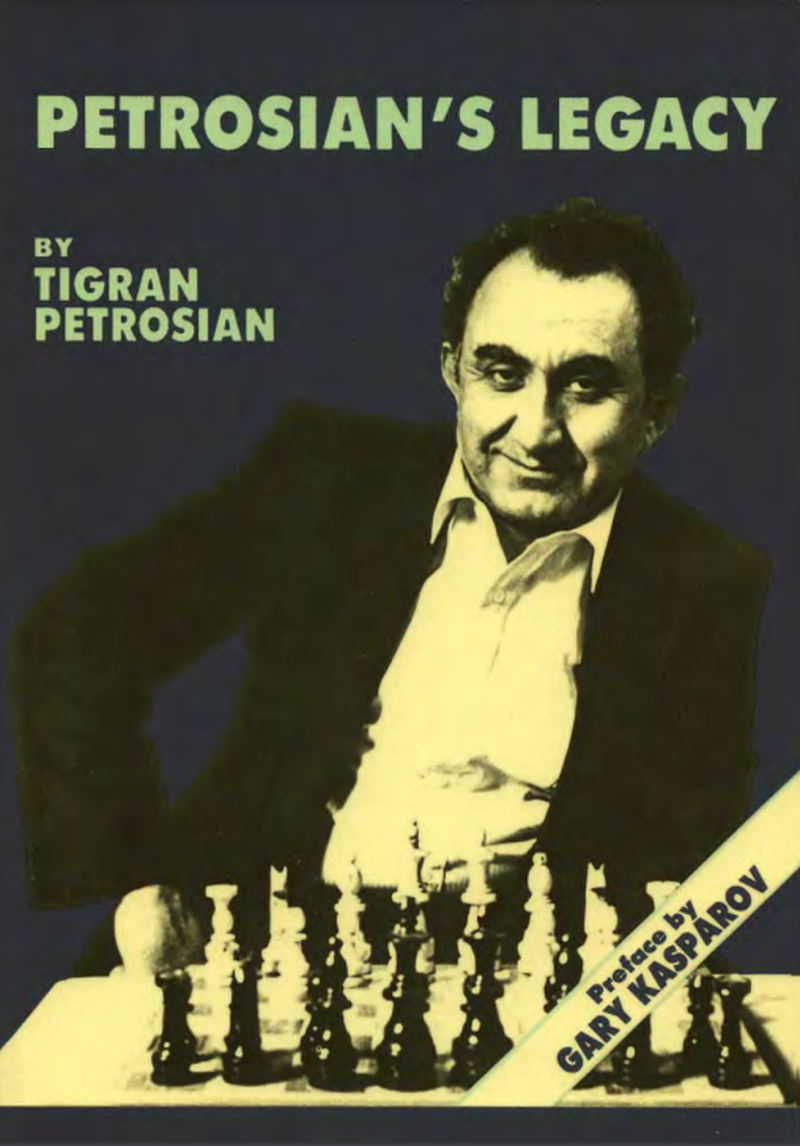
As Garry Kasparov put it in his book: My Great Predecessors part 3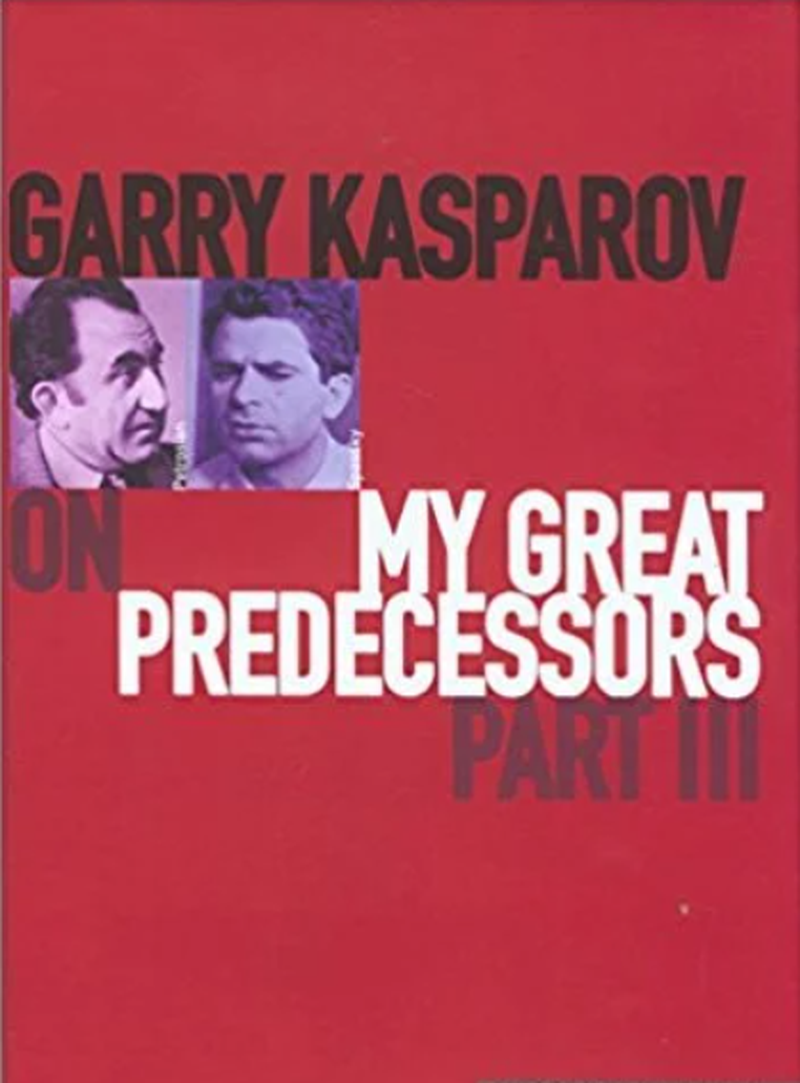
Petrosian gained the world title at 1963 World Championship with Mikhail Tal with 5 wins 2 losses and 15 draws in a 24 game match. he died in August 13, 1984. Where I decided
to make short studies from the book Petrosian's Legacy .., Petrosian's Legacy From the past ==>
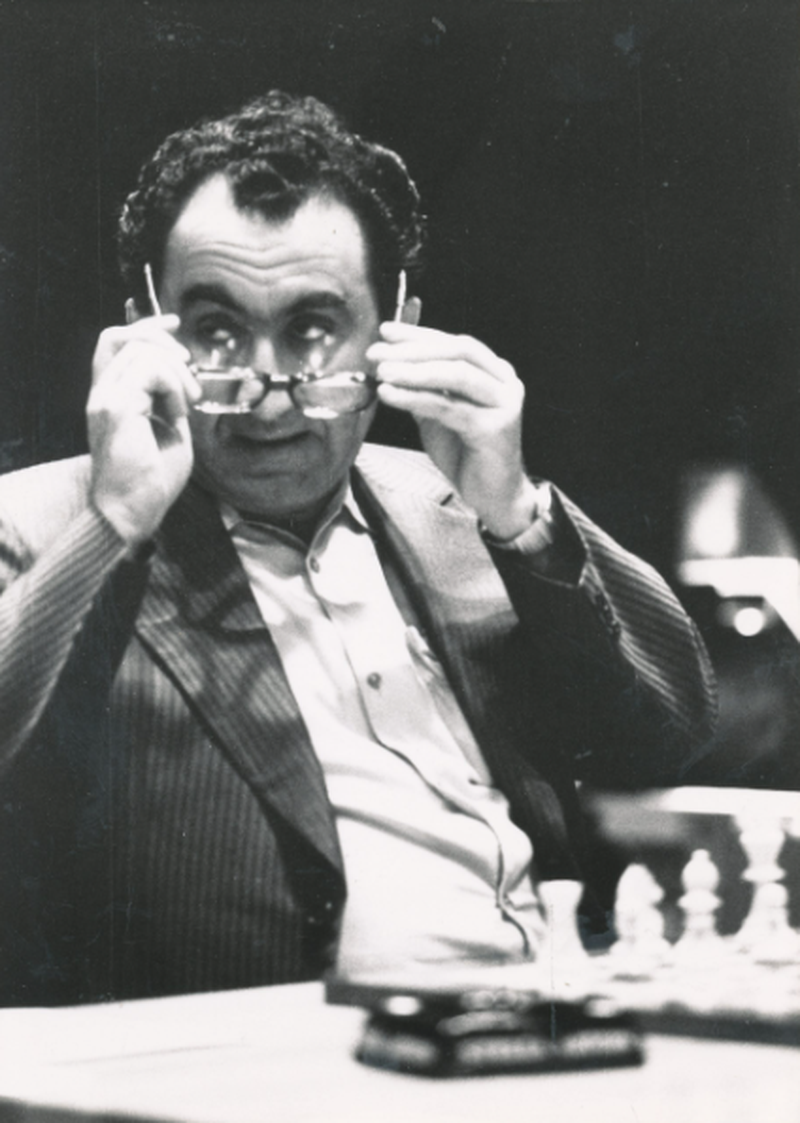
King's indian defense Petrosain variation
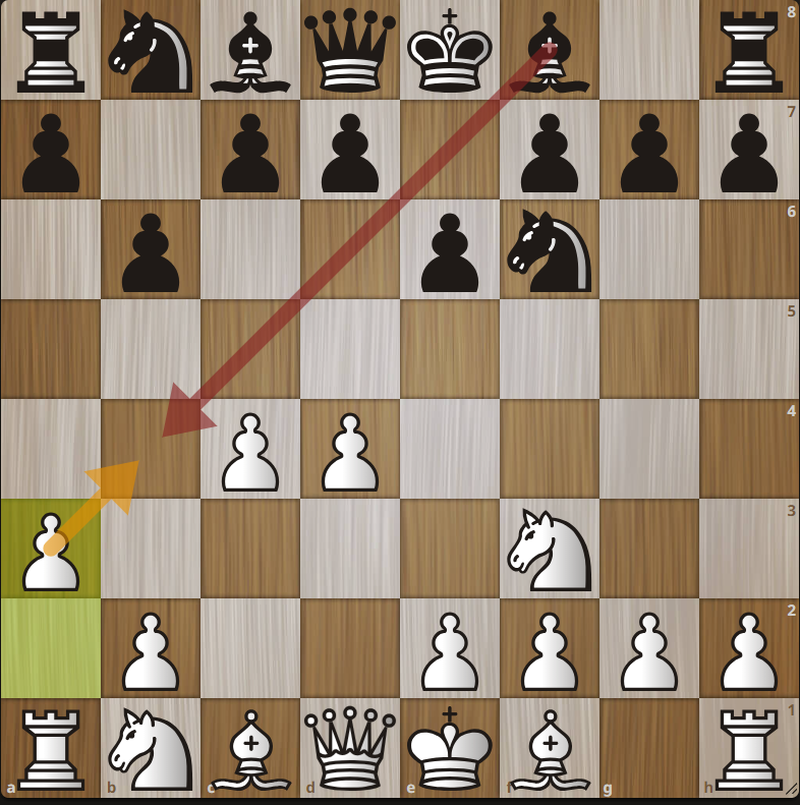
Queen's indian defense petrosian variation
You may also like
 I_hate_chess10
Does chess make a person crazy?
what happend to wilhelm steinitz and bobby fisher I_hate_chess10
HedgeHog Setups
Hedgehog is one of the strongest defenses available, but there is a form in which the engine does no… I_hate_chess10