
Consistency, Intensity and Curiosity - The Trident of Chess Improvement
Improve At Chess - Part 1
Introduction
In this series, we’ll break down what actually leads to chess improvement - starting with the practical side of things. Most chess players struggle to improve and that's not due to lack in their knowledge. They fail to get better because they don’t apply consistently what they already know. Improvement in chess rarely comes from occasional motivation or random bursts of effort. Many factors matter, of course, but three of them are often overlooked despite being essential:
Consistency, intensity and curiosity.
Bring these three together, and you won’t just improve - you’ll become a fierce competitor. And more importantly, you’ll start to see the most beautiful side of chess.
Consistency
Consistency is the foundation of chess improvement. It’s the art of showing up with a purpose, even when you don’t feel like it. People come up with different training plans for improvement all the time.. And most of them actually have some merit. However, the most important thing about any training program is to be able to maintain it for long enough to see results.
Let's take tactics as an example.
Solving tactical puzzles for 30 minutes every day for a year will be much better for your improvement than solving for 3–4 hours a day for a week and then burning out.
In the first case, your pattern recognition improves steadily. Your calculation stays sharp - something that’s difficult to build, but very easy to lose if you stop practicing. And most importantly, you build the habit of working on your chess every single day. In the second case, you rely on motivation. And motivation, no matter how strong, it doesn’t last forever.
That’s why you should set simple, sustainable goals - ones you can follow even on your worst days.
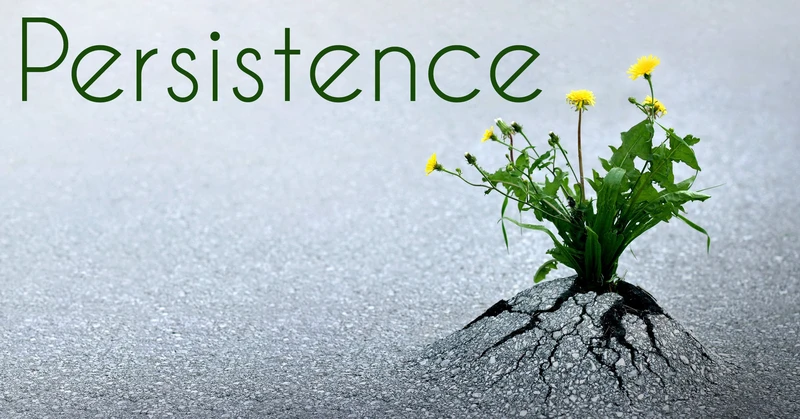
"Water hollows out the stone, not by force, but by persistence."
Intensity
Consistency without intensity leads to stagnation. You can play every day and still fail to improve if your games are played with low intensity. What does intensity actually mean?
Intensity refers to the quality of being strong, extreme, or concentrated, representing a high degree of force, energy, or feeling. In chess that would mean playing games with full focus and concentration, while being constantly engaged to the game.
Let's use playing training games as an example.
Playing two rapid games with full intensity every day - where you try to calculate properly, stay focused (NO DISTRACTIONS), and review them afterwards - will do far more for your improvement than playing 10–15 quick, mindless games with no real thought or analysis to follow whatsoever.
In the first case, you are most likely to start playing better, as you are limiting distractions and give your 100% in every game. You are training your deeper calculation skills, decision making, time management and many more. Just because you are locked in you are much more likely to get into the smaller details of the position and to acquire subtle understanding. In the second case you are mostly reinforcing bad habits such as moving too quickly and repeating the same mistakes over and over again. In fact, playing a lot of games with low intensity can make you a worse player.
Curiosity
Curiosity is one of the most underrated drivers of improvement in any area, particularly in chess. Curiosity is the strong desire to learn, know, or understand something, characterized by exploration, and investigation.
Without being curious you are literally depriving yourself of learning and improving! Curiosity helps you to delve deeply into any chess position, makes you hungry to try and learn new things and most importantly it ignites your passion about the game of chess.
This also ties directly to your relationship with chess. If you only care about winning, you’ll avoid uncomfortable or confusing positions.
But if you’re curious, those positions become valuable. They stop being something to escape and start being something to explore.
How to spark your chess curiosity? A good way to start is to just find something chess related that you find interesting. It could be an opening, a particular game, some video course or anything else that makes you want to learn and explore. Let me show you one of my favorite tactical combinations, which stood out to me and sparked my curiosity to explore endgame studies and compositions.
If you want to improve, you need structured effort. Consistency ensures you show up. Intensity ensures your effort has quality. Curiosity is what turns all of it into real understanding.
Thank you for reading!
What topic would you like to see next? Drop your ideas in the comments!

You may also like
 CM HGabor
How titled players lie to you
This post is a word of warning for the average club player. As the chess world is becoming increasin… RuyLopez1000
Fischer vs Larsen: The Rivalry
Explore one of the Greatest Rivalries in the History of Chess RuyLopez1000
Instructive Endgame: One Pawn vs Bishop
How to draw a losing position tutorial. ChessMonitor_Stats
Where do Grandmasters play Chess? - Lichess vs. Chess.com
This is the first large-scale analysis of Grandmaster activity across Chess.com and Lichess from 200… IM datajunkie