
Is Bullet Chess Good or Bad for Your Growth?
What is Bullet? It's just 1 minute per side for the player to test his ultimate speed and nerves.And the question is: does it help or hinder your growth as a chess player? As a FIDE Master and coach, I’ve seen both the positives and the pitfalls of bullet chess, and I’d like to break it down for you in this blog.
For some people playing the bullet games are kind of waste of time and for some it's adrenaline and enjoyment from the game. I would say they're right in both ways. So let's start first with what could be really Pros of playing Bullet Games:
1. Improves Tactical Vision
Bullet chess sharpens your ability to spot tactics in an instant. The rapid nature of the format forces you to identify key patterns and calculate short-term combinations at lightning speed. This can be especially useful for players looking to improve their intuition for tactics.
2. Develops Time Management Skills
This one is very important. I've seen a lot of my students playing slower timer controls (10+0 and 15+0 rapid games) and getting winning positions in those games, but due to time trouble they've panicked and lost most of their games. Managing your clock is a critical skill in any time format, and bullet takes this to the extreme. Playing bullet teaches you how to allocate your time wisely under immense pressure, which can translate to better time management in longer games.
3. Pure Fun
I have to and can't forget to mention this. Let’s face it—bullet is addictive! The rush of playing a 1-minute game is unmatched. It’s a great way to unwind and enjoy chess without the mental strain of deep calculation. And lastly in bullet luck also plays an important role, since you know yourself how many lost positions you won because you have a better mouse or high speed internet.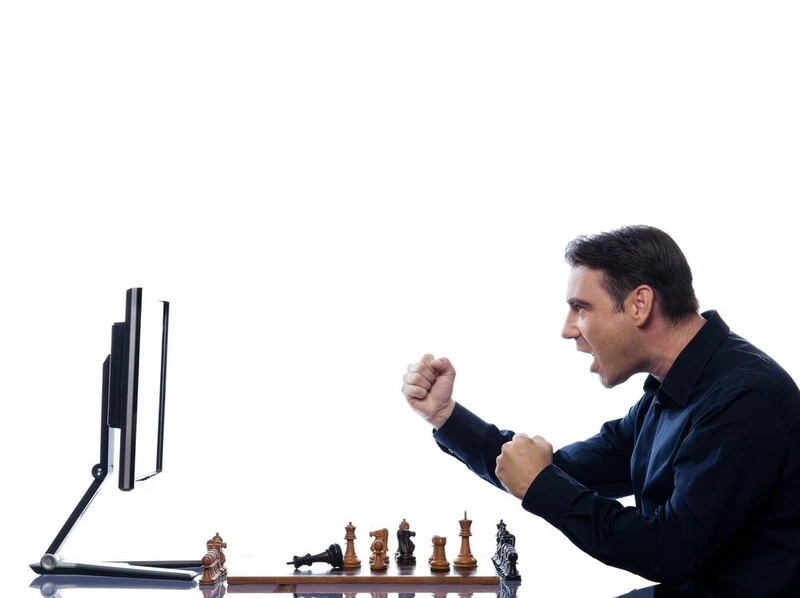
Moving on to Cons of playing Bullet Games:
1. Shallow Thinking
One of the biggest downsides of bullet is the lack of depth in your moves. With so little time, players often rely on surface-level calculations and intuition, neglecting the deeper strategic and positional understanding that is crucial for long-term improvement.
2. Reinforces Bad Habits
In bullet, pre-moves and instinct often take precedence over sound decision-making. Over time, this can harm your ability to evaluate positions calmly and methodically in classical or slower time control games.
3. Frustration and Tilt
The fast-paced nature of bullet can lead to streaky results. A string of losses can be frustrating and even demoralizing, especially when games are decided by time scrambles rather than good chess.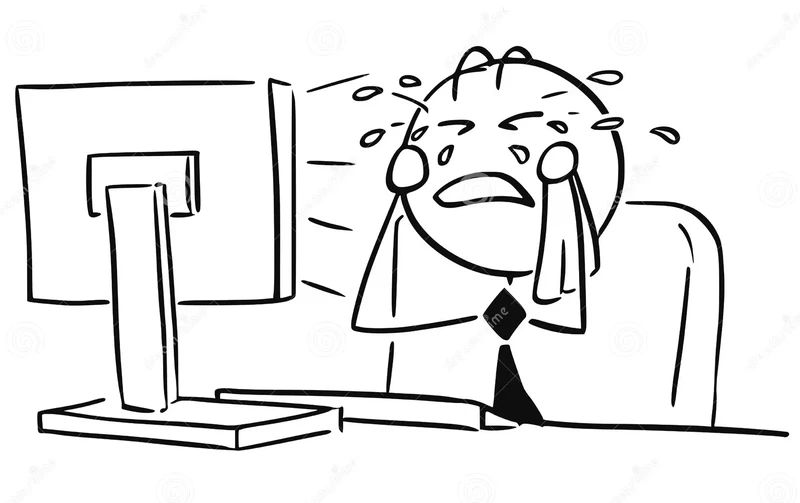
Want to Reach a 2000 Rating and Join the Top 1% of Chess Players?
Take your game to the next level with personalized coaching sessions. Click here to start your journey to chess mastery!
Balancing Bullet with Other Formats
So, at the end of the day is bullet chess bad for your growth?
It depends what are your goals with it and it needs to be balanced with other time controls. Here’s how you can make bullet work for you:
- Use Bullet as a Supplement: Think of bullet as the "junk food" of chess. It's fine in small doses but shouldn't replace nutritious "meals" like classical and rapid games.
- Focus on Fundamentals: Pair your bullet games with regular tactical exercises and positional study to avoid bad habits.
- Analyze Bullet Games: After a session, review a few bullet games to identify recurring mistakes. Even a quick analysis can help you spot areas for improvement.
Final Thoughts
Playing 1+0 games can be a fun way to enhance your tactical vision and time management, but it’s not a substitute for structured training. As a FIDE Master, my advice is simple: enjoy bullet chess in moderation and make sure it complements, rather than detracts from, your overall chess journey.
Whether you’re going for a higher rating or just enjoying the game, finding the right balance will ensure that you get the best of both worlds. Now go play some chess—but maybe leave the 1+0 games for later!
Thank you!
You may also like
 GM Avetik_ChessMood
Why Most People Fail at Goals (and How to Be the Exception)
Most people fail at their goals because they wish instead of plan. Here’s how to ditch wishful think… WIM RanchoWangdu
"All Izz Well": Overcoming Negative Emotions on and off the Chessboard
Chess is more than just a game—it’s an emotional journey filled with highs and lows. In my career as… ebk1976
The 11 Best Bloggers on Lichess
The most entertaining, educating, and value creating bloggers on the site in my opinion. FM Millionaire_19
Top 10 Middlegame Tips for Everyone
It's always good to know some theory that can result in getting better positions in the middle game,… FM Millionaire_19
7 MOST COMMON Chess Mistakes
The seven most common mistakes plaguing players of all levels, illuminating a path towards strategic… FM Millionaire_19