
https://chess-site.com/articles/chess-mental-benefits/
Why Mental Strength is Crucial in Chess
Chess is often described as a battle of minds, where psychological resilience can be just as important as opening preparation or tactical ability. It’s not just about knowing the best moves—it’s about staying composed under pressure, bouncing back from losses, and maintaining peak focus for hours on end. These mental skills separate the good players from the great ones. A chess game is a mental marathon. It’s a test of patience, calculation, and emotional control. Anyone who has played a long tournament knows how exhausting it can be. One mistake can cost you everything, and dwelling on a blunder can quickly lead to a downward spiral. To succeed, players need more than just opening knowledge or tactical sharpness—they need ironclad mental resilience. In this article, we’ll explore why mental strength is crucial in chess and how you can develop it, with real-world insights from some of the greatest players in history.
Why Mental Strength Matters in Chess
1. Handling Pressure in Critical Moments
Some games hinge on a single moment—a fork, a sacrifice, or a defensive resource you must find under intense pressure. Those who crack will falter. Those who stay calm will capitalize.
Example: Magnus Carlsen’s World Championship Clutch Performances
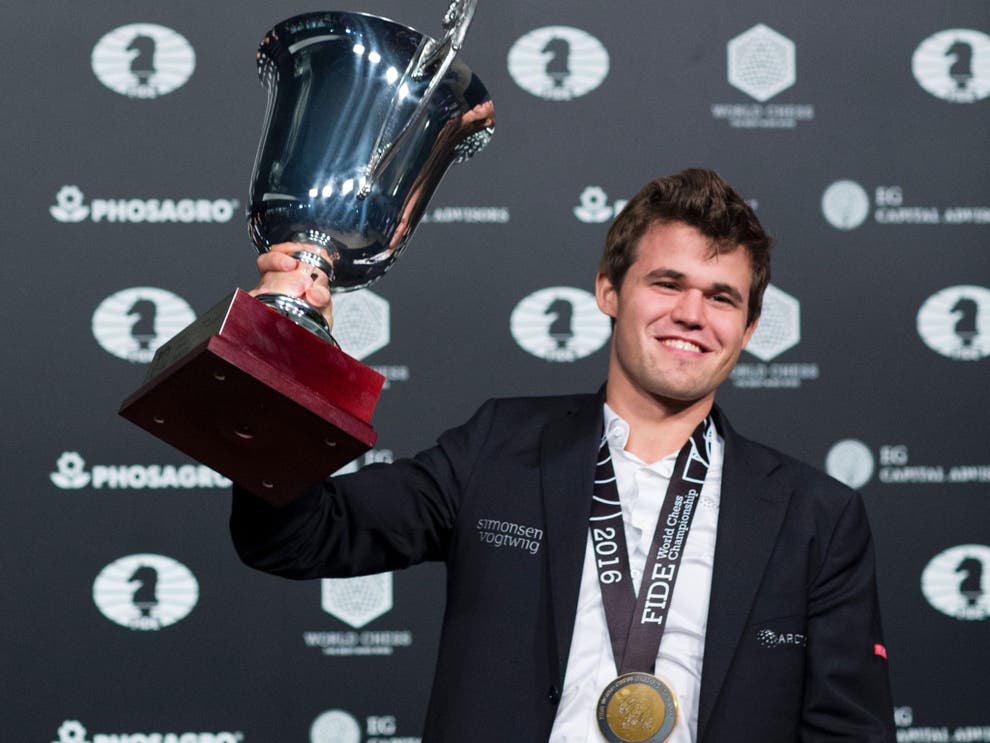
Magnus Carlsen is known for his ability to remain ice-cold in critical situations. In the 2016 World Chess Championship against Sergey Karjakin, Carlsen found himself in a difficult position, struggling to break through Karjakin’s defense. Many players would have panicked or overpressed, but Carlsen maintained his patience. When he finally got his opportunity, he struck with surgical precision, winning a crucial game and later dominating the tiebreaks. His mental fortitude under pressure has solidified his legacy as one of the greatest champions of all time.

2. Overcoming Losses and Staying Resilient
Every chess player, even world champions, experiences crushing defeats. The key isn’t avoiding losses—it’s how you respond to them.
Example: Garry Kasparov’s Comeback After Losing to Deep Blue
In 1997, Garry Kasparov suffered one of the most publicized defeats in chess history against IBM’s Deep Blue. Many believed this marked the end of his dominance. But Kasparov refused to let the loss define him. Instead of wallowing in disappointment, he used the setback as motivation, going on to maintain his status as the world’s top human player for several more years. His ability to recover from adversity shows that resilience is essential for long-term success.
3. Managing Nerves and Controlling Emotions
The ability to stay emotionally composed during a game can make or break a player. Anxiety leads to rushed moves, while frustration can spiral into tilt—where one mistake snowballs into multiple losses.
Example: Bobby Fischer’s Mental Fortitude in 1972
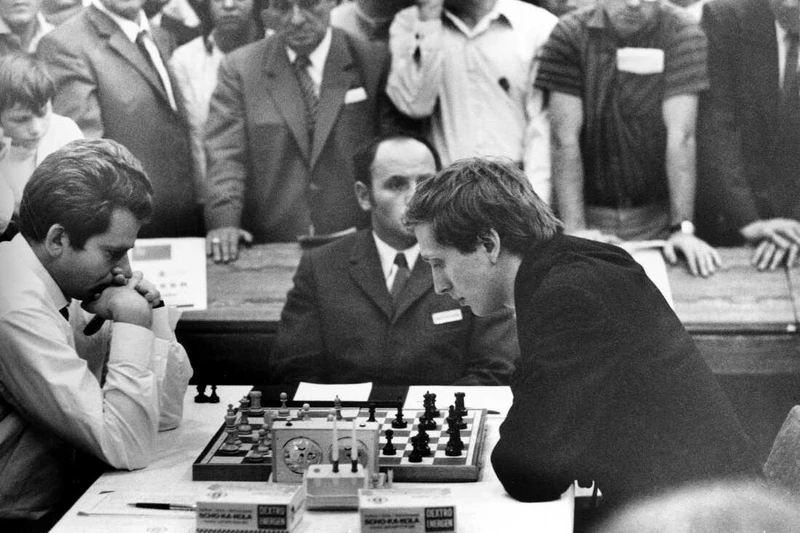
Bobby Fischer’s legendary victory in the 1972 World Chess Championship against Boris Spassky wasn’t just about superior chess skills—it was a testament to his mental toughness. Fischer was notoriously difficult, demanding specific playing conditions and even forfeiting Game 2 due to disagreements. Despite this, he returned to the match stronger than ever, handling immense pressure to dethrone Spassky. His ability to compartmentalize distractions and focus on the game remains a prime example of psychological resilience.

4. Staying Focused During Long Games
Chess tournaments often feature grueling six-hour games, requiring absolute concentration. Mental fatigue can lead to blunders, and the best players train themselves to stay sharp for extended periods.
Example: Anatoly Karpov’s Endurance and Deep Focus
Karpov was a master of grinding down opponents in long endgames. He didn’t rely on flashy tactics but on deep positional understanding and tireless precision. His ability to outlast opponents, making no errors even after hours of play, earned him numerous world titles. His career highlights the importance of stamina and focus in high-level chess.
5. Avoiding Overconfidence and Staying Objective
Confidence is necessary to play well, but overconfidence can be dangerous. Underestimating an opponent or playing recklessly can lead to unexpected losses.
Example: Vasyl Ivanchuk’s Unpredictability
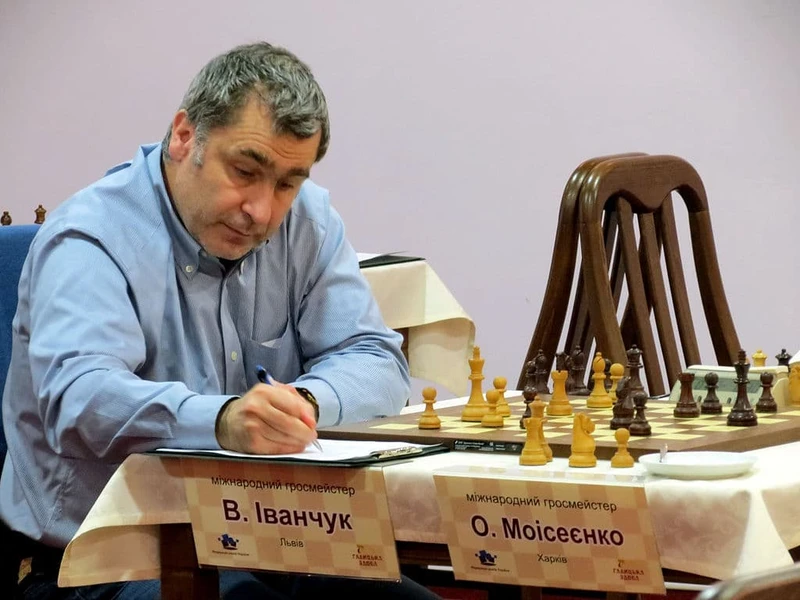
Ivanchuk is known for his brilliance and creativity, having defeated world champions like Kasparov and Carlsen. However, he has also lost to much lower-rated players due to inconsistency and lapses in focus. His career serves as a reminder that confidence must be paired with discipline and objectivity.
https://chessjournal.b-cdn.net/wp-content/uploads/2020/10/Vasyl-Ivanchuk-Chess-Player-Profile.jpg

How to Improve Your Mental Strength in Chess
1. Develop a Strong Mindset Through Experience
- Play in different settings (blitz, classical, over-the-board, online) to build mental resilience.
- Learn to embrace losses as lessons rather than failures.
2. Train Your Focus and Concentration
- Meditation and mindfulness exercises can enhance your ability to concentrate during long games.
- Practicing deep analysis without distractions improves your ability to stay engaged in difficult positions.
3. Maintain Emotional Control
- Take deep breaths or walk away from the board briefly if you feel frustration creeping in.
- Avoid hasty moves; always double-check decisions, even under time pressure.
4. Balance Confidence with Caution
- Trust your intuition but verify key moves with calculation.
- Study examples where overconfidence led to avoidable losses.
5. Simulate High-Pressure Situations
- Solve tactical puzzles with strict time limits to build decision-making speed under pressure.
- Play must-win games against stronger opponents to replicate tournament stress.
Final Thoughts
Mental strength in chess isn’t just about handling pressure—it’s about resilience, focus, emotional control, and discipline. While talent and preparation matter, a player’s mindset often determines their success. Whether you’re a beginner or an experienced competitor, honing your mental skills can elevate your game to the next level.
Next time you sit at the board, pay attention to your mindset. Are you staying composed? Are you learning from mistakes? Are you keeping emotions in check?
The best chess players train their minds as much as they train their openings. Will you do the same?
You may also like
 NikeStale1600
The Art of Berserking: Mastering Lichess Tournaments Like a True Gladiator
I didn’t just learn Berserk mode—I lived it. The first time I clicked that little fire icon on Liche… NikeStale1600
The Limits of Chess Rules: When Principles Become Traps
Should you always counter a wing attack with a central break? Chess is full of strategic rules, but … NikeStale1600