
Strategy: Opposite Side Castling
Hello ChessNeurites,
Welcome to the third edition of a new Grandmaster Insights series! In each edition, I'll share one practical positional idea, strategic concept, or instructive position that you can immediately apply in your own games. The goal is simple: help you become a stronger thinker at the chessboard, one concept at a time.
The concept for this episode is: Opposite Side Castling
The strongest move is not always the most aggressive-looking one, nor is the most natural plan always the most effective. While both players usually have attacking chances, success often depends on understanding the demands of the position rather than blindly following general principles.
In such positions, a single inaccurate move can completely change the course of the game, turning a promising attack into a difficult defence.
Let me show you a very instructive example. It's White to play here.
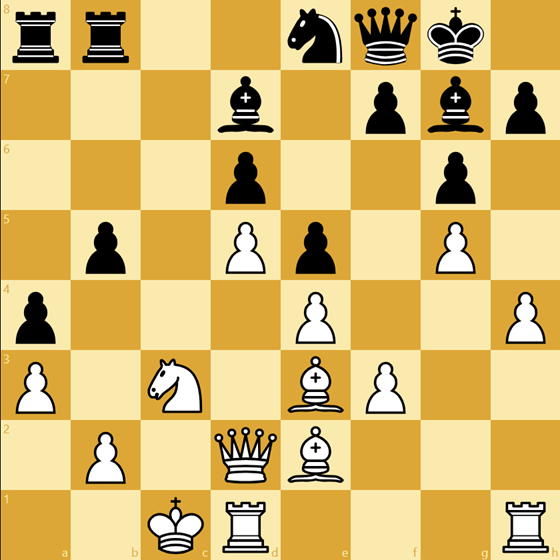
White has castled on the queenside, while Black has castled on the kingside. Both sides have clear attacking prospects against the opponent's king.
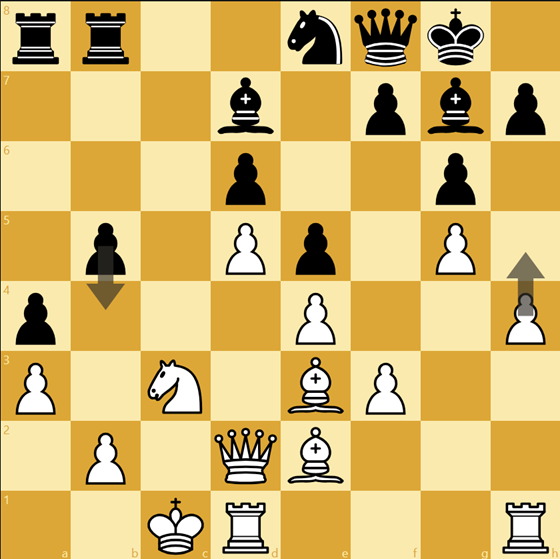
The most natural move, h5, is actually a mistake. Black responds with b4!, and the queenside attack develops much faster than White's attack on the kingside.
This illustrates an important point: in opposite-side castling positions, playing as aggressively as possible is not always the right approach. Before launching your own attack, you must first understand the opponent's counterplay.
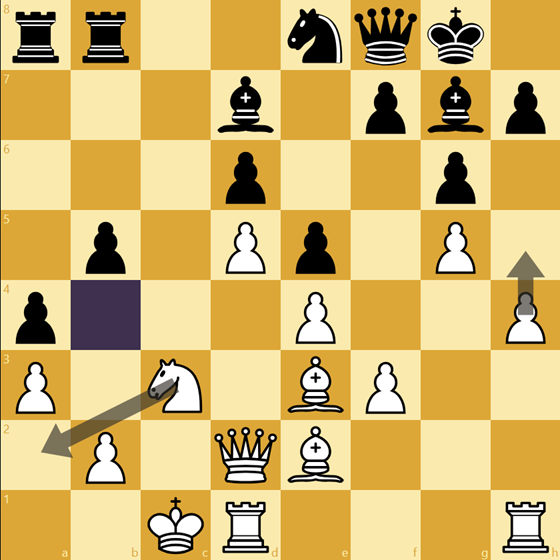
Instead, White should first play Na2, preventing Black's b4 pawn break. Although it appears to be a passive move, it is a move that takes away Black's most dangerous source of counterplay. Once Black's counterplay has been neutralized, White can safely continue with h5 and begin attacking the black king.
White now enjoys excellent attacking chances on the kingside without having to worry about Black's queenside initiative.
When the kings are castled on opposite sides, aggression alone is not enough. Understanding the opponent's counterplay is often the key to launching a successful attack.
If you'd like to explore this position move by move, along with the complete Grandmaster explanation, you can find the full interactive analysis on ChessNeurons.
Visit ChessNeurons.com to learn more Positional Concepts and Grandmaster Insights.
P.S.1. If you enjoyed this article and would like to receive future positional lessons like this directly in your inbox, subscribe to the ChessNeurons Newsletter here.
You may also like
 GM Puli1234
Punishing the King in the Center
One of the most important attacking themes in chess is knowing how to play against a king stuck in t… FM MattyDPerrine
Your Opponent Gives You a Gift Every Move (Most Players Never Open It)
Most players ask what their opponent is threatening. The better question is what their move stopped … GM Puli1234
Provoking in Chess: Creating Weaknesses Before Building Pressure
True mastery is forcing your opponent to play the move they are trying to avoid. ChessMonitor_Stats
Where do Grandmasters play Chess? - Lichess vs. Chess.com
This is the first large-scale analysis of Grandmaster activity across Chess.com and Lichess from 200… GM Puli1234
The Art of Exchanging Pieces: A Grandmaster’s Guide to Making the Right Trades
Many players exchange pieces without thinking much. But strong players know that the right exchange … GM Puli1234