
Perchance.org and Humanity
Instructive Attack: A Sliced King
How to punish your opponent for not castling.
Hello Friends. I am RuyLopez1000 and I will be showing you an educational attacking game that will help your chess.
I will show you how to try to win an position where your opponent is not castled but it isn't easy to immediately take advantage of this.
Let us begin with the opening of the game. I accidentally played an Englund Gambit!:
This is the situation: Your opponent has won a pawn with Qxb7 but they're behind in development. Do you play Bc6 or Nc6?
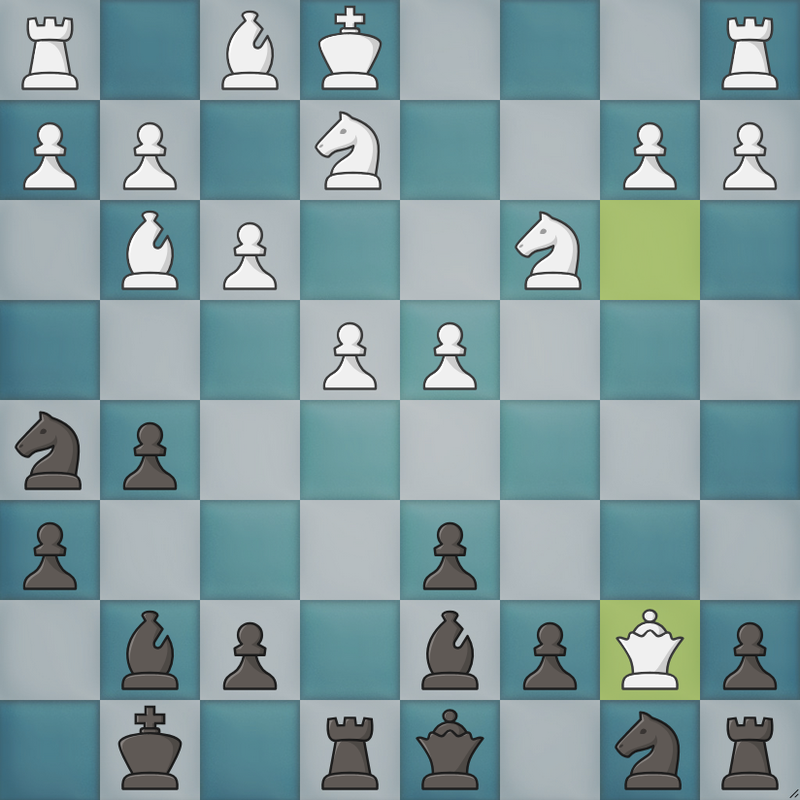
This is the situation: You're ahead in development and their King looks uncomfortable. However, there is no direct attack. Find a move which trades off one of your opponent's developed pieces!
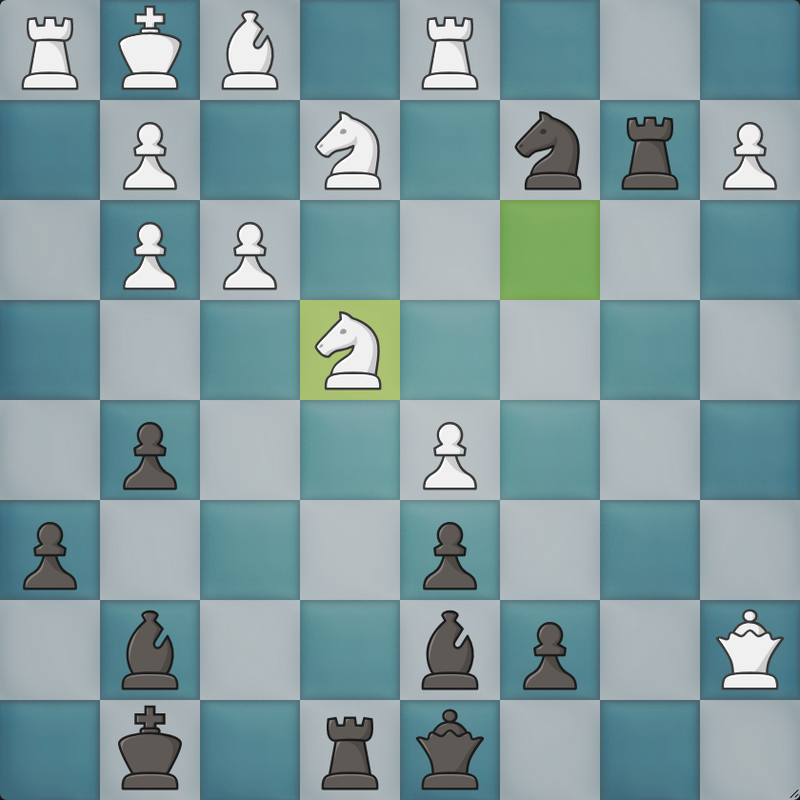
This is the situation: Your pieces are flooding the enemy zone. Find a winning tactic in this position to slice the King!
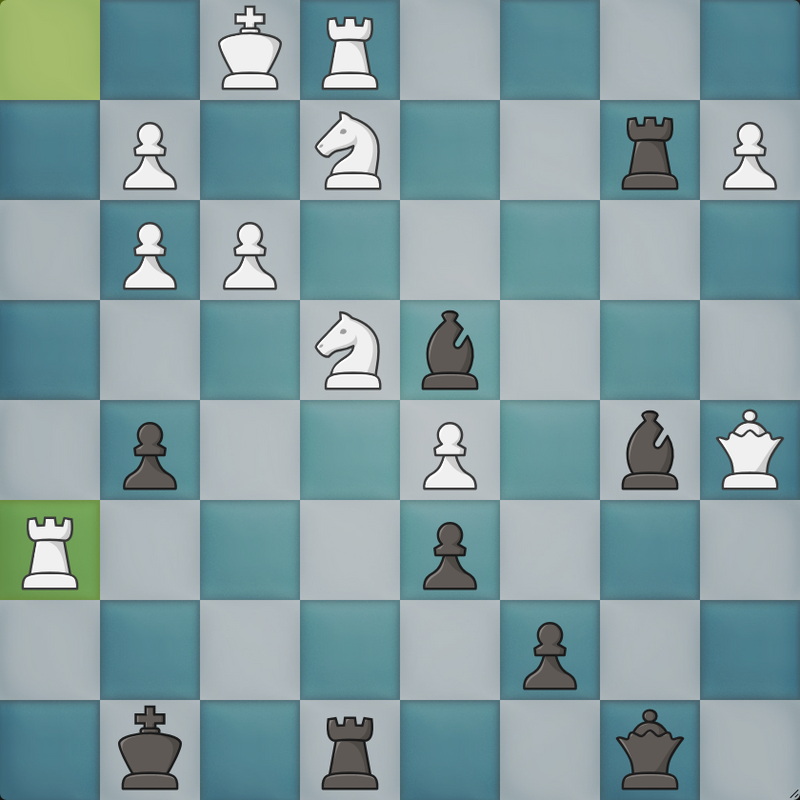
This game illustrates how being greedy can backfire. It also illustrates that sometimes there is no direct attack on the king. In this case trading your opponents developed pieces is a nice strategy. This is counterintuitive because you feel you should keep pieces for an attack.
However, lack of development also affects the opponent in the endgame. So you have the possibility of using your active pieces to pick off their pawns instead of trying to attack the king directly. And trading your opponents pieces increases the ratio of your developed pieces to their developed pieces.
The Opponent declined the Queen trade in the game which allowed me to develop my bishop to b5 and start a deadly attack. The Queen on b8 was the only thing stopping this previously. Then Fischer's law was demonstrated: "Tactics flow from a superior position".
Lessons for punishing non-castling:
1. Try to generate an attack on the king. But realize that it's possible that there is no direct attack. In that case you will go for another target like a pawn/or to try to gain positional advantages while your opponent untangles.
2. If ahead in development, then trade pieces to accentuate the piece difference. e.g. 2 developed pieces vs none is better than 4 developed pieces vs 2 developed pieces. This principle is a general guide. If you see a serious attack then you can go for that instead. Calculation is needed to see if reducing pieces will benefit your position or whether you should launch an attack.
3. Use pawn breaks to open squares for your pieces.
4. Restrict your opponents pieces through pins.
5. Set up tactics in advance.
I hope you enjoyed and learnt from this attacking tutorial.
Till next time! - RuyLopez1000.
You may also like
 RuyLopez1000
Instructive Endgame: One Pawn vs Bishop
How to draw a losing position tutorial. CM HGabor
How titled players lie to you
This post is a word of warning for the average club player. As the chess world is becoming increasin… RuyLopez1000
Why Are People Good At Chess?
The Rise and Fall of Chunks RuyLopez1000
Fischer vs Karpov: The Match That Never Was
Explore one of the Greatest Potential Rivalries in the History of Chess FM MathiCasa
Chess Football: A Fun and Creative Variant
Where chess pieces become "players" and the traditional chessboard turns into a soccer field RuyLopez1000