
What does it really take to become a strong chess player?
(Beyond just training)When people talk about becoming a strong chess player, the conversation almost always revolves around training: studying openings, drilling tactics, reviewing annotated games, and putting in countless hours. But the truth is, raw training alone isn’t enough to make the leap from a club player to a genuinely strong competitor. There’s a hidden layer to chess improvement that most players overlook — the nitty-gritty aspects that can make or break your progress. Here’s what it really takes to become a strong chess player.
1. Uncomfortable Self-Honesty

Most players plateau because they don’t want to confront their weaknesses. It’s easy to review a game and chalk a loss up to “one bad blunder,” but stronger players dissect the deeper causes. Was that blunder the result of poor time management? Misunderstood positional concepts? Fatigue? To improve, you need to analyze your own thought process critically and admit where you’re weak — not just technically, but psychologically.
Fix: After every loss, ask yourself:
• Did I understand the critical moments?
• Was I playing on autopilot?
• Did I calculate too little or too much?
You’re not looking for easy answers. You’re looking for patterns that reveal your biggest leaks.
2. Emotional Resilience and Tilt Control

Chess is an emotional rollercoaster. One bad game can ruin an entire tournament, and if you let it affect your mindset, you’re doomed in the next round. Strong players develop the mental toughness to move on from losses without self-sabotage. This isn’t just about staying positive — it’s about learning to detach from the outcome and focus on the quality of your play.
Fix: Develop post-game routines to reset.
• Take a short walk to clear your mind.
• Analyze the game only after your emotions have settled.
• Focus on the process, not the result.
3. Stamina and Physical Conditioning

People forget that chess is physically demanding. A five-hour game under tournament conditions drains mental energy and focus. Strong players train their bodies as much as their minds. Better stamina leads to better decision-making in the critical final hour of a long game.
Fix: Incorporate light physical exercise into your routine.
• Cardiovascular training helps with endurance.
• Meditation or breathing exercises sharpen focus.
• Sleep hygiene matters more than you think — lack of rest kills calculation speed.
4. Pattern Recognition Beyond Tactics
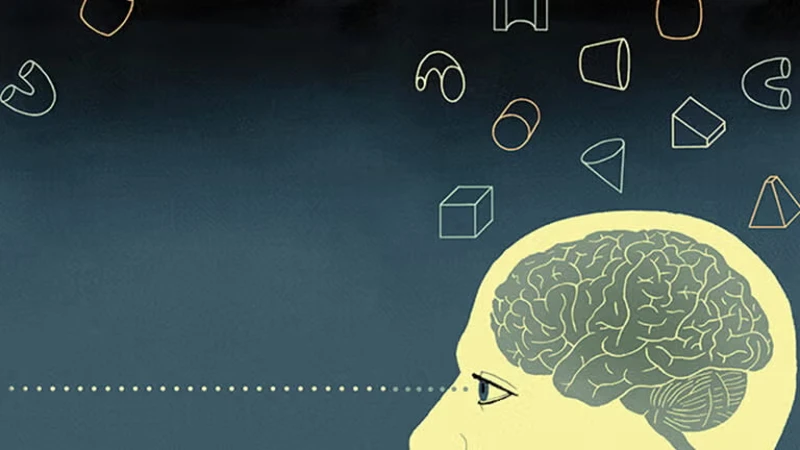
Pattern recognition isn’t just about spotting tactical motifs. Strong players develop an intuitive sense for positional themes, prophylaxis, and strategic imbalances. They know how pawn structures evolve, which endgames are likely to arise, and how to steer the game toward positions where they thrive.
Fix: Expand your pattern library by studying complete games of strong players, not just snippets.
• Focus on thematic middlegames and typical plans for different structures.
• Memorize key positions and ideas, not just moves.
5. Knowing When (and How) to Break Rules
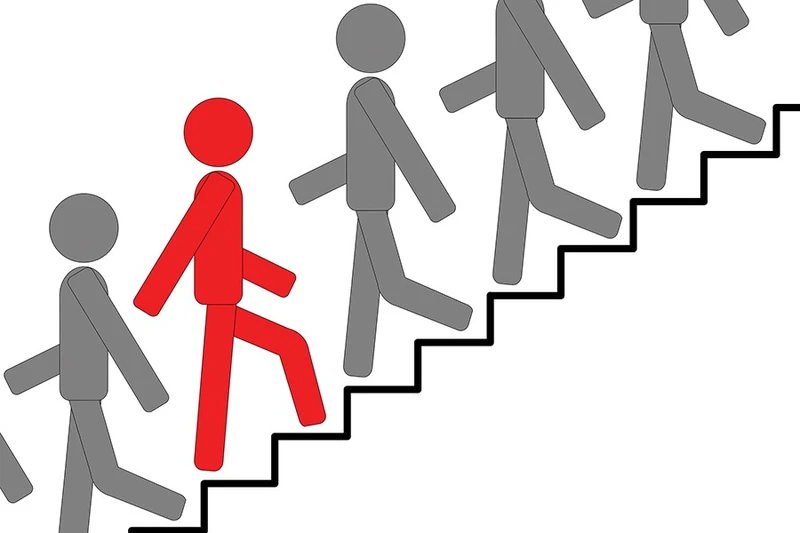
Memorizing principles is easy, but strong players know when to ignore them. There’s a time to break opening principles, accept ugly pawn structures, or temporarily weaken your king for dynamic compensation. Understanding the exceptions to the rules is what separates strong players from those who stick rigidly to “the book.”
Fix: Study exceptions, not just rules.
• Review games where strong players violate principles and analyze why.
• Learn why “bad bishops” can sometimes be game-winning pieces.
6. Psychological Preparation for Opponents

Most club players show up to a tournament and treat every game the same. Strong players approach the board with a specific psychological strategy tailored to their opponent. They know who prefers tactical chaos and who likes quiet maneuvering. They shape the game’s character based on who’s sitting across from them.
Fix: Build a mental database of opponents.
• Observe your rivals’ tendencies.
• Prepare openings that steer the game into uncomfortable terrain for them.
• Learn to adapt mid-game if your prep doesn’t work out.
7. Risk Management and Tournament Strategy

Chess isn’t just about playing well — it’s about knowing when to push and when to play it safe. Strong players know how to manage risk depending on the situation. Are you in a must-win game? Or do you need a solid draw to secure a prize?
Fix: Develop a flexible approach to different tournament situations.
• Play different types of openings based on the score you need.
• Recognize when it’s time to take calculated risks versus when to consolidate.
8. Obsessive Attention to Detail

Small details — like endgame nuances or the subtle shifts in pawn structure — can decide games at higher levels. Strong players notice these details, while club players gloss over them.
Fix: Slow down your analysis.
• Spend extra time on subtle points in your post-game reviews.
• Pay attention to small inaccuracies that don’t lose immediately but create future problems.
9. Adaptability and Learning Speed

Chess trends change. Openings evolve, and new engines reshape theoretical knowledge constantly. Strong players stay ahead by adapting quickly to new information. They aren’t married to outdated ideas — they evolve with the game.
Fix:
• Stay plugged into modern theory, but don’t obsess over it.
• Prioritize understanding over memorization.
• Analyze your own games with engines, but think critically about their suggestions.
10. Patience and Long-Term Perspective

Improvement in chess isn’t linear. There will be months (or even years) where you feel stuck despite putting in consistent work. Strong players don’t quit when progress slows — they adjust and trust the process.
Fix:
• Set long-term goals and embrace the grind.
• Focus on improving your thinking process, not just gaining rating points.
• Learn to enjoy the learning process itself, not just the results.
Final Thoughts
Becoming a strong chess player isn’t just about solving a thousand tactics a day or memorizing opening lines. It’s about developing emotional resilience, stamina, psychological flexibility, and an obsession with improving every tiny aspect of your game. The players who thrive are the ones who embrace these hidden dimensions and treat improvement like a complete lifestyle, not just a hobby.
If you’re ready to level up, ask yourself: Are you willing to work on these invisible skills that separate good players from great ones? The answer to that question might determine how far you go in chess.
You may also like
 IM JJPL03
GOAT's Catalan - Classical Model Games
Hello dear chess lovers! CkickyCheck
Beating the Accelerated London
Another weird line, this time for the Black pieces. Very dynamic, and punishes natural moves. GM Craze