
Photo by Michael DeMoya on Unsplash
Ab Crunch Machines and the Key to Online Chess Improvement
My Inspiration
I was at the gym a few weeks ago, and I was feeling in good shape. Wanting to work out abs, I decided to head to my favorite-the ab crunch machine. Usually, I would do 10 sets of 10 reps at 120 pounds, but I was feeling really good, so I upped it to 150. After 2 sets or so, I was doing great-or so I thought. Taking a quick glance at the machine, I saw the picture showing how to use the machine. I didn't need that, did I? It was simple, put your hands on the armrest, and move your upper body forward, closing your upper and lower body as close as together, as if they were scissor blades. Or is that how you do it? Looking at the image, I saw that on the instructions image, not only did the person's lower back never moved off the seat, even the central back did not move! They were only moving their upper back off the seat, in a much smaller, bending motion.
This revelation left me with the first important decision, though not the greatest one. Should I try the proper method, or should I ignore it and keep doing it the way I usually do? I chose to try it, for how much harder could it be doing it like a crunch and less like a sit up? The answer is A LOT. At 150 pounds, I couldn't crunch an inch. At 120, still nothing. At 60 (!!) pounds could I actually do a crunch the way the instructions showed, and even that was excruciatingly hard!
At this point, I reached the critical decision. After working for years to get the amount I could do on this machine from 90 to 100, 100 to 120, and from 120 to 150, would I just chuck all of these gains? Would I go back to the lowly 60 pounds? Would I brave the sinking feeling of doing about 1/3 of what I did my last session but try to work my abs as much as possible, or would I stick to what I was doing, but probably not improve as much?
The Chess Lesson in This
At this point, you are probably slightly confused about the relevance of this story, as this is a chess blog and not a workout blog. However, believe it or not, this is a question chess players have to face nearly every day! We are told how to improve our game. "We should evaluate positions during the game and make our decisions accordingly!" Or "We should calculate as far as possible and not just play on instinct!" Your coach, a book, or a course teaches you something, and you are excited to get better doing it. But then....
The Danger of the Short Term
You sit down, click new game, and start playing. As you play, you try to apply what you learned, calculating every move. However, since you are not used to calculating this much, you get low on time, and in time trouble, blunder your advantage and lose.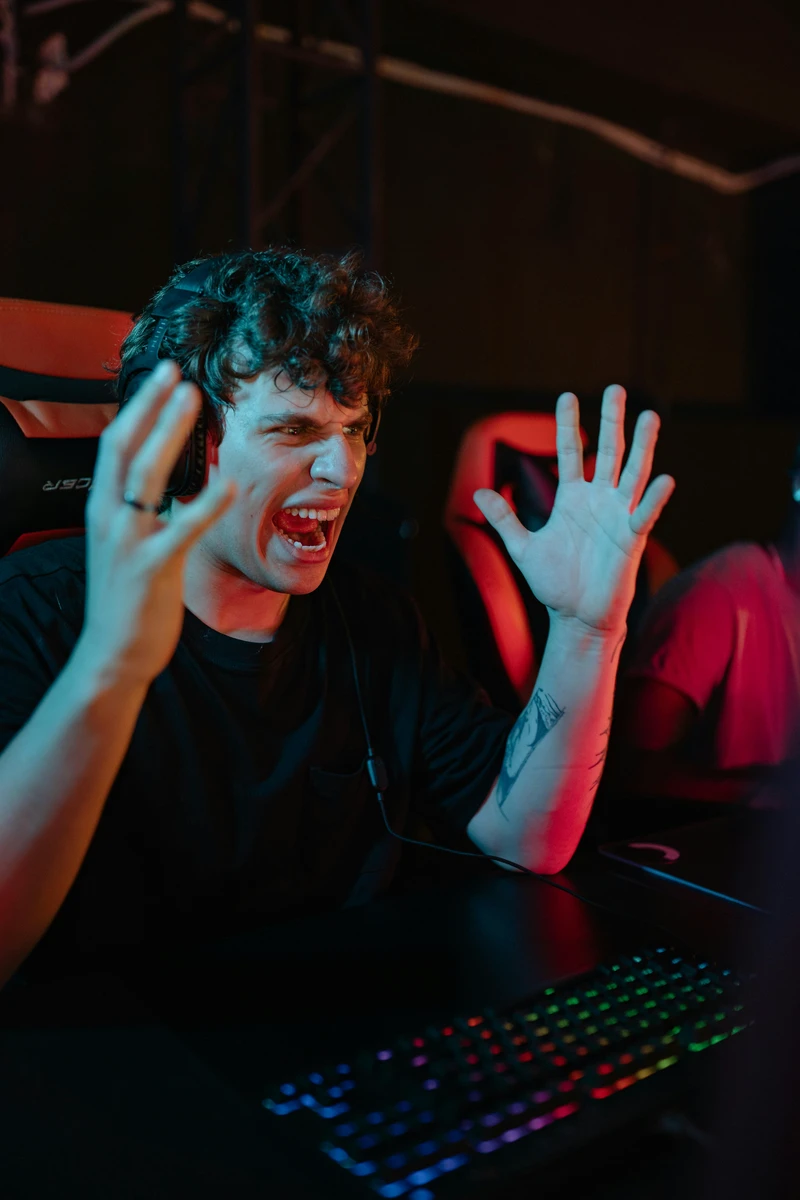
After the game, you think how could you be this stupid, you should have never tried calculating in the first place. Or maybe you stick at it, and keep trying calculating, and watch your rating slump 50, 100, or even more points, below levels you were years ago, or levels you worked very hard to get to. What will you do? This is the ab machine question all over again!
In the short term, if you keep playing that new opening, keep evaluating positions, or keep calculating, you will probably drop rating. And you will drop quite a bit for quite a while. If you keep doing what you've always done, you will plateau, guaranteed. But if you want to improve, you might have to take sacrifices of your ego that will hurt a lot.
Conclusion
As GM Avetik Grigoryan shares in one of his blogs: it's important to focus on your strength improving, not on your rating. Rating will catch up if you improve. If you're not willing to take temporary hits, you will never find vast improvement either.
I finished my sets doing it properly at 60 pounds, and the next morning my abs were as sore as they hadn't been in months.
What will you choose?
You may also like
 ebk1976
Ding-ness
What it is, why it occurs, and some ideas on how to snap out of it. ebk1976
The (not so secret) Secret to Chess Improvement
Every chess player wonders how to get better at chess-so I thought I would find out. ebk1976
The Top Players of the Future
7 Incredible prodigies to keep an eye on CM HGabor
How titled players lie to you
This post is a word of warning for the average club player. As the chess world is becoming increasin… ebk1976
Aging in Chess
The age too old for gold. ebk1976