
Top 10 Chess Books Every Player Should Read
From Classics to Modern MasterpiecesChess literature is vast, but certain books stand out for their timeless wisdom, instructional value, and ability to captivate readers. Whether you’re a beginner or an advanced player, these 10 books—curated from grandmaster recommendations, bestseller lists, and chess community favorites—will elevate your game and deepen your love for chess.
1. My 60 Memorable Games by Bobby Fischer
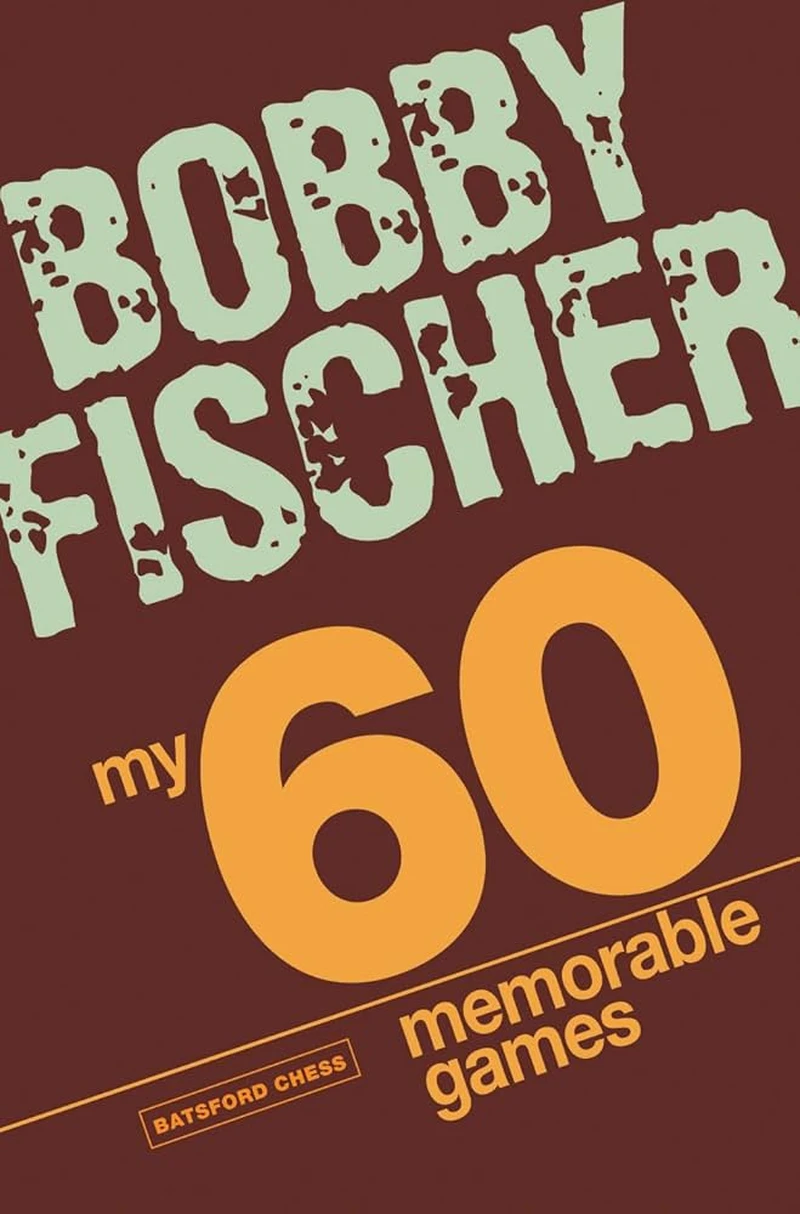
Focus: Game analysis, strategy, and psychology
Level: Intermediate to Advanced (1500–2200+)
Why Read It?
Fischer’s annotations are brutally honest and instructive, blending sharp analysis with psychological insights. He dissects iconic games (1957–1967), including three losses, revealing his thought process and self-criticism. Grandmasters like Yasser Seirawan and Daniel Rensch praise its clarity and impact on attacking play.
Key Takeaway: “Chess is a battle between your aversion to losing and the pain of thinking.”
2. Bobby Fischer Teaches Chess
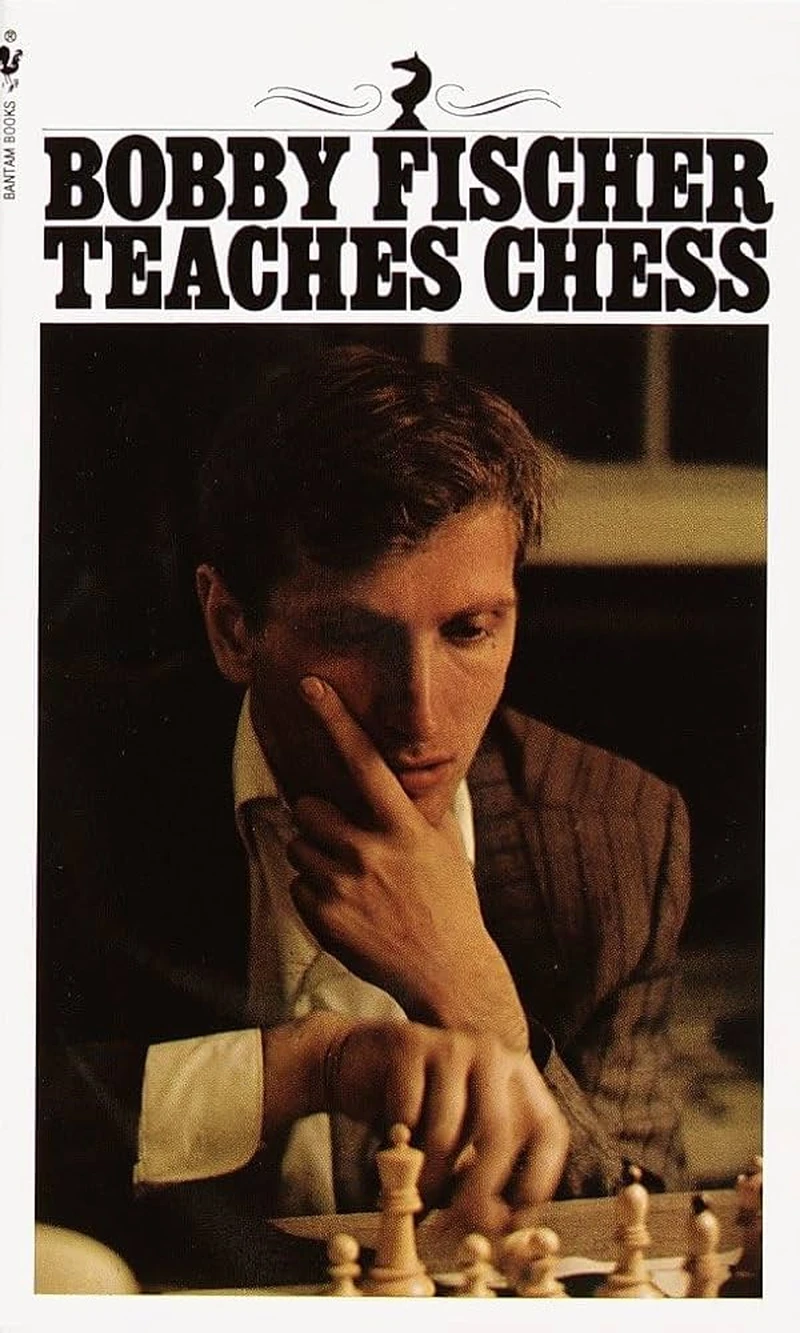
Focus: Basics, checkmates, and tactics
Level: Beginner (0–1200)
Why Read It?
A bestseller for decades, this book simplifies chess fundamentals. Fischer’s step-by-step puzzles and explanations make it ideal for newcomers. Amazon ranks it #2 in chess sales, and it’s praised for its accessibility 15.
Key Takeaway: Master basic checkmates and tactical patterns to build confidence.
3. Zurich International Chess Tournament, 1953 by David Bronstein
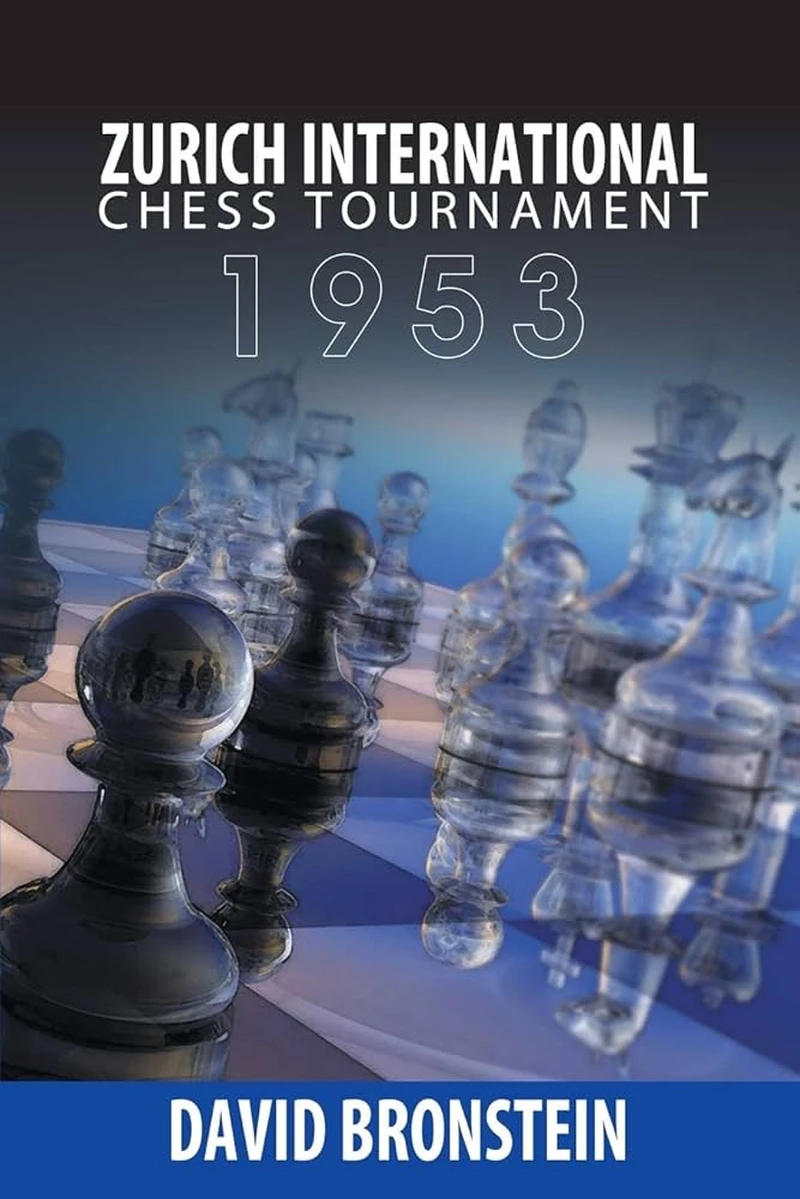
Focus: Tournament analysis, positional play
Level: Intermediate to Advanced (1200–2000+)
Why Read It?
Bronstein’s annotations of the 1953 Candidates Tournament are legendary. The book blends history, strategy, and storytelling, making it a favorite of IM Cyrus Lakdawala and GM Yasser Seirawan 110.
Key Takeaway: Learn how top players navigate complex middlegame positions.
4. How to Reassess Your Chess by Jeremy Silman
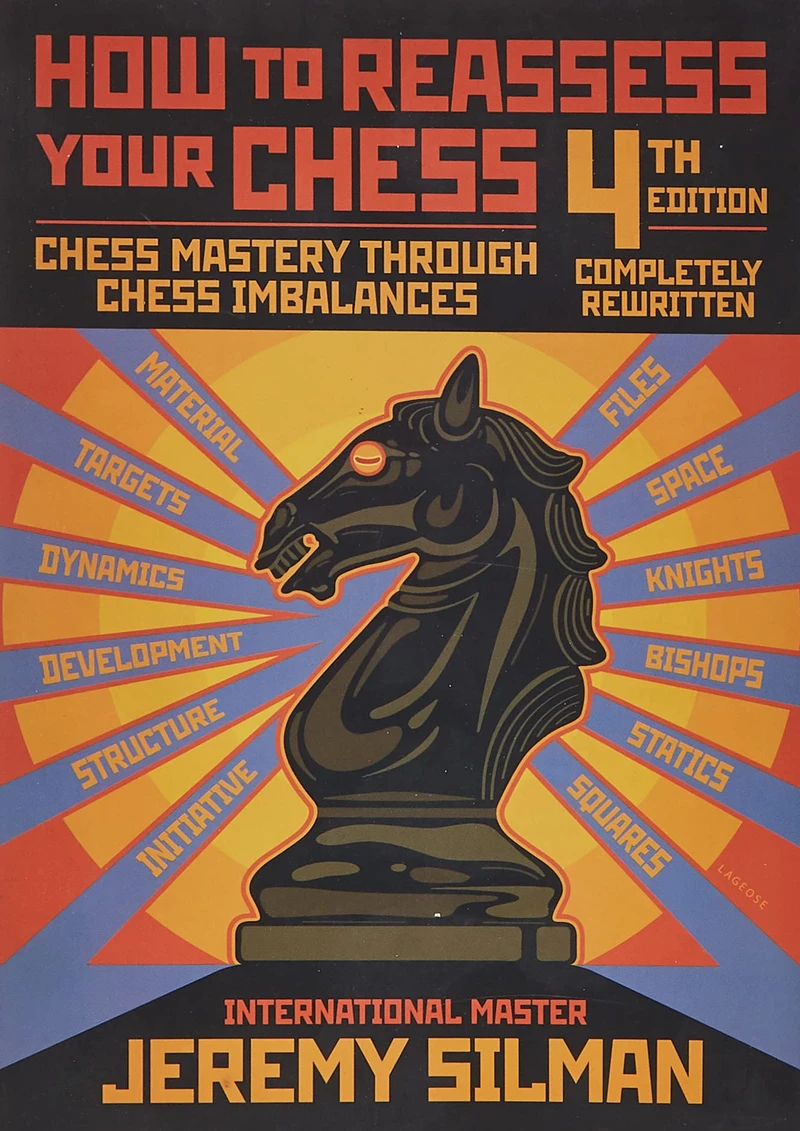
Focus: Positional imbalances, planning
Level: Intermediate to Advanced (1200–2000)
Why Read It?
Silman’s guide to identifying positional weaknesses (e.g., pawn structure, piece activity) revolutionized chess training. It’s recommended by IM Daniel Rensch and ranked #17 on Amazon’s chess bestsellers 110.
Key Takeaway: “Strategy begins with understanding imbalances.”
5. Silman’s Complete Endgame Course by Jeremy Silman
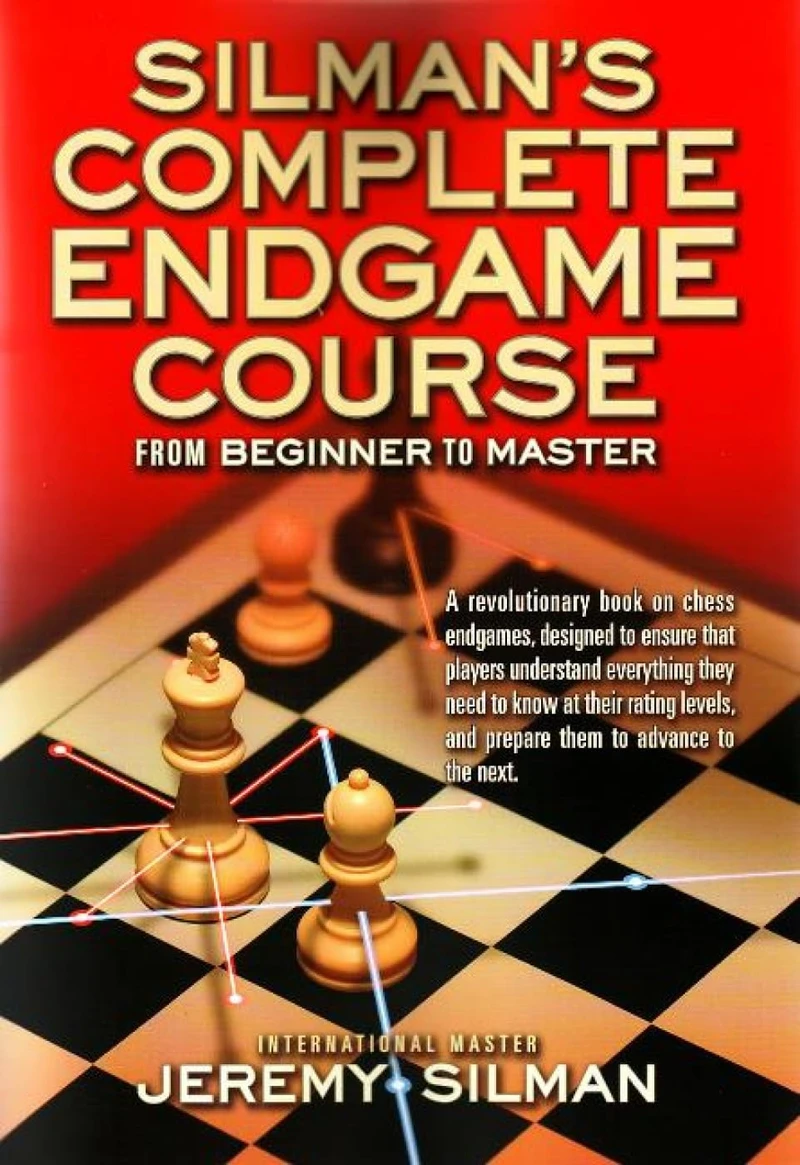
Focus: Endgame principles
Level: All levels (Beginner to Master)
Why Read It?
Silman tailors endgame lessons to your rating, avoiding overly complex theory. It’s a top choice for players seeking practical endgame skills and is frequently cited in forums 18.
Key Takeaway: Study only the endgames you’ll encounter at your skill level.
6. My System by Aron Nimzowitsch
Focus: Positional concepts (prophylaxis, pawn chains)
Level: Advanced (1500–2200+)
Why Read It?
A cornerstone of positional chess, My System introduces ideas like blockade and overprotection. Though dense, it’s praised by GMs and featured in Chess.com’s top 10 classics 18.
Key Takeaway: “The passed pawn is a criminal. Keep it under lock and key!”
7. The Life and Games of Mikhail Tal by Mikhail Tal
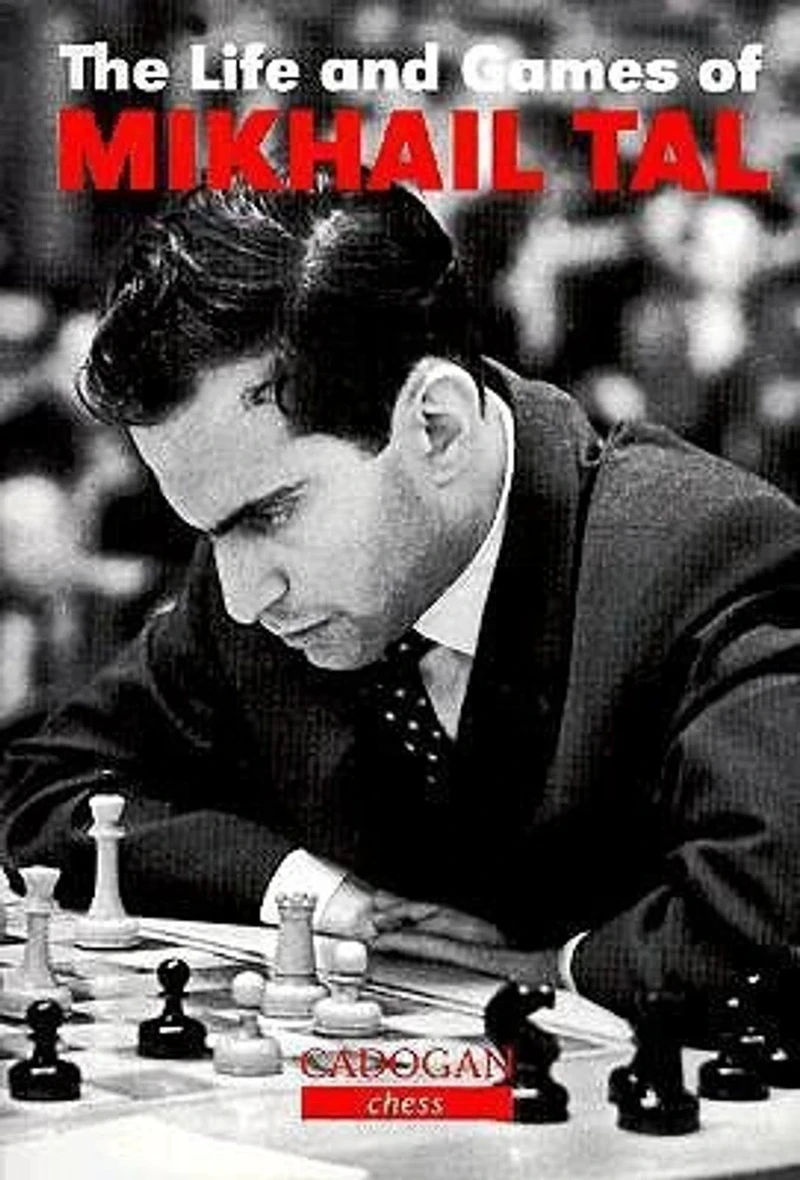
Focus: Attack, creativity, and psychology
Level: Intermediate to Advanced (1400–2200+)
Why Read It?
Tal’s wit and daring combinations shine in this autobiography. His famous quote—“You must take your opponent to a dark forest...”—captures his style. Recommended by Kasparov and Silman 110.
Key Takeaway: Embrace tactical chaos to unsettle opponents.
8. Logical Chess: Move by Move by Irving Chernev
Focus: Annotated games, strategy
Level: Beginner to Intermediate (800–1600)
Why Read It?
Chernev explains every move of 33 classic games, making it ideal for learners. It’s a staple in forums and Amazon’s top 15 chess books 810.
Key Takeaway: Understand the purpose behind every move.
9. Garry Kasparov’s My Great Predecessors Series
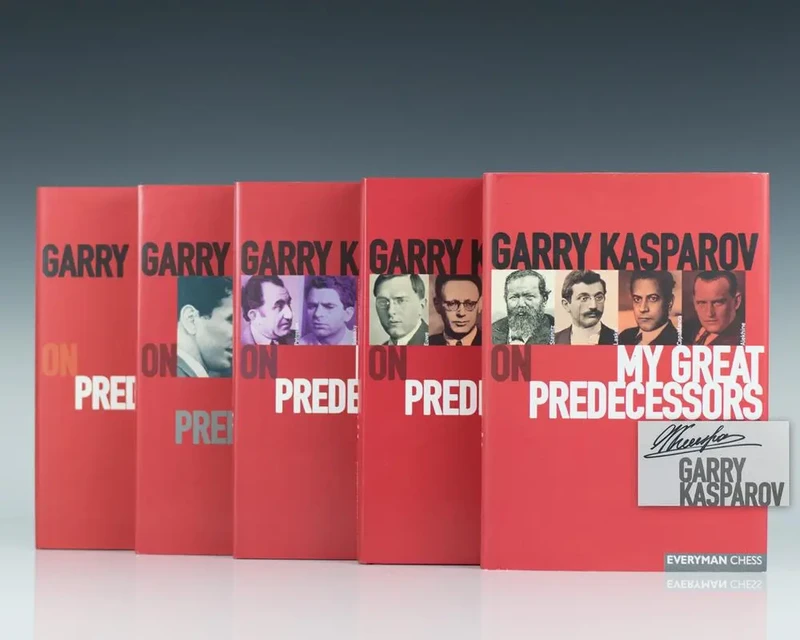
Focus: Chess history, game analysis
Level: Advanced (1800–2200+)
Why Read It?
Kasparov analyzes games from Steinitz to Karpov, blending history with deep analysis. IM Daniel Rensch calls it “monumental” and essential for serious players 10.
Key Takeaway: Learn from the evolution of chess strategy over centuries.
10. Chess Fundamentals by José Capablanca
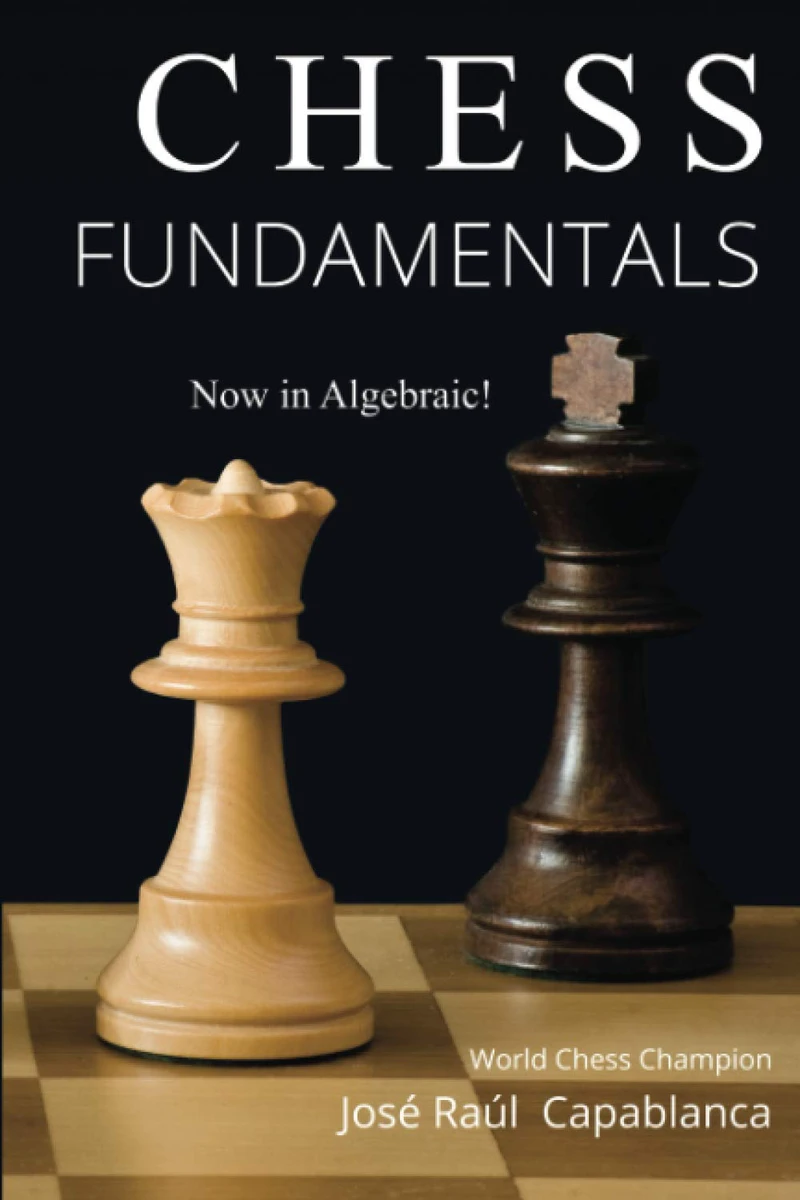
Focus: Strategy, endgames, simplicity
Level: Beginner to Intermediate (1000–1600)
Why Read It?
Capablanca’s timeless primer emphasizes clarity and efficiency. Bobby Fischer hailed it as the best chess book ever, and it remains a top Amazon pick 27.
Key Takeaway: “Master simplicity before complexity.”
Honorable Mentions
- Dvoretsky’s Endgame Manual: The bible of endgame theory 10.
- 1001 Chess Exercises for Beginners: Tactics training by Franco Masetti 5.
- Think Like a Grandmaster by Alexander Kotov: Calculation and planning 1.
How to Choose Your Next Chess Book
- Skill Level: Match the book to your rating (e.g., Silman for intermediates).
- Goals: Openings, tactics, or history? Prioritize accordingly.
- Format: Prefer puzzles, annotated games, or theoretical guides?
Final Thoughts
These books reflect decades of chess wisdom, from Fischer’s brilliance to Kasparov’s historical deep dives. Pair reading with practice, and you’ll see rapid improvement. As GM Dominic Lawson notes, “Chess rewards those who combine study with relentless curiosity”
