
Exploring the Secrets of the Ruy López Opening: A Classic Chess Masterpiece
Chess, a game of infinite possibilities, has fascinated players for centuries. Among its many openings, the Ruy López Opening stands out as a timeless classic, revered for its strategic depth and historical significance. Named after the 16th-century Spanish bishop Ruy López de Segura, this opening, also known as the Spanish Opening, has been a favorite of grandmasters and amateurs alike. In this blog, we’ll explore the secrets of the Ruy López, from its origins and main variations to its strategic themes and notable games, offering a comprehensive guide to mastering this chess masterpiece.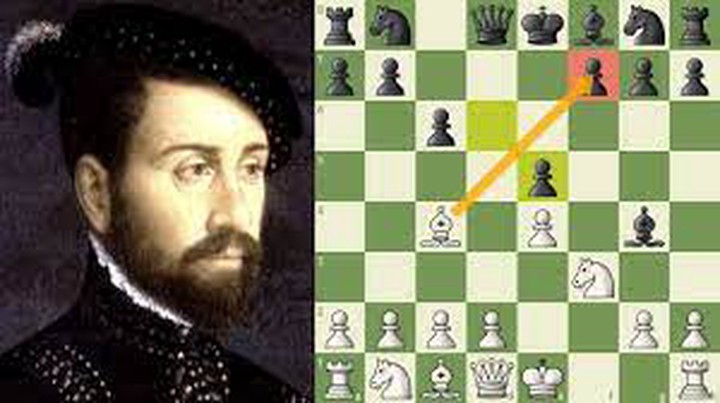
The Origins of the Ruy López Opening
The Ruy López Opening traces its roots back to the 16th century when Spanish bishop Ruy López de Segura analyzed and documented its principles in his book Libro de la invención liberal y arte del juego del ajedrez. However, it wasn’t until the 19th century that the opening gained widespread popularity, becoming a cornerstone of modern chess theory. The Ruy López is characterized by the moves 1.e4 e5 2.Nf3 Nc6 3.Bb5, where White aims to control the centre, develop pieces harmoniously, and prepare for a strong attack on Black’s position.
Main Variations of the Ruy López
The Ruy López is incredibly versatile, offering a range of variations that cater to different playing styles. Here are the three most prominent variations:
-
Closed Variation:
This variation is a favourite among positional players. After 5.d3, White focuses on maintaining a solid pawn structure and gradual piece development. Moves like 6.Bxc6 and 7.Re1 leads to a closed, manoeuvring game where pawn breaks and long-term planning are key. The Closed Variation is ideal for players who enjoy strategic battles and patient play. -
Open Variation:
For those who prefer dynamic and tactical games, the Open Variation is a perfect choice. After 5...Nxe4, Black captures the pawn on e4, and White recaptures with 6.d4. This leads to an open position with active piece play and opportunities for both sides to launch attacks. The Open Variation is a battleground for creative and aggressive players. -
Exchange Variation:
The Exchange Variation simplifies the position early with 4.Bxc6 dxc6. This leads to symmetrical pawn structures and a focus on piece activity and pawn structure. While it may seem less exciting, the Exchange Variation offers rich strategic possibilities, making it a popular choice for players who excel in endgames and positional play.
Strategic Themes in the Ruy López
The Ruy López is not just about memorizing moves; it’s about understanding the underlying strategic themes that shape the game. Here are some key ideas:
- Central Control: The opening emphasizes controlling the central squares (e4, d4, e5, d5), which provides greater mobility for pieces and flexibility in planning.
- Pawn Structure: Players must carefully consider pawn breaks (like d4 or f5) and how the pawn structure influences piece activity and long-term plans.
- King Safety: Castling early and ensuring the king’s safety is crucial, as the Ruy López often leads to sharp middlegame positions.
- Piece Coordination: Effective coordination of knights, bishops, rooks, and the queen is essential for launching attacks or defending against threats.
Notable Games Featuring the Ruy López
The Ruy López has been the stage for some of the most iconic games in chess history. Here are two legendary encounters:
-
Kramnik vs. Kasparov (2000 World Chess Championship, Game 8):
This game featured the Berlin Defense, a solid and resilient variation of the Ruy López. Kramnik’s impeccable defence and strategic play neutralized Kasparov’s aggressive intentions, showcasing the defensive potential of Berlin. -
Anderssen vs. Kieseritzky (1851, "The Immortal Game"):
Although not a pure Ruy López, this game is a testament to the attacking possibilities that can arise from similar structures. Anderssen’s sacrificial brilliance and tactical fireworks have made this game a timeless classic.
Why the Ruy López Endures
The Ruy López Opening remains a cornerstone of chess theory because of its rich history, strategic complexity, and adaptability. Whether you’re a beginner learning the basics or an experienced player exploring advanced variations, the Ruy López offers endless opportunities for creativity and growth. Its blend of positional and tactical themes ensures that no two games are ever the same, making it a perennial favorite among chess enthusiasts.
You may also like
 ian_en
Chess Championship Chaos: How SRM and Jeppiaar Outsmarted Their Rivals in ICCL 2
The 2025 India College Chess Championship Spring Season (ICCL) is heating up, with SRM-A and Jeppiaa… ian_en
Master Your Chess Training: Proven Strategies to Boost Your Rating Fast
Many chess players want to get better but struggle with structuring their training. Without a solid … ian_en