
Igor Stratichuk @ Wikimedia Commons, cropped, https://creativecommons.org/licenses/by-sa/4.0/deed.en
The brilliancy that will make you want to play the Smith–Morra
Would have hooked me up too, but I'd been playing it already
Hi guys!
If you play 1. e4, do you know your pet line against the Sicilian?
We'd better have one ready, as 1...c5 is the most popular response at most levels. After the Open Sicilian (main) lines became heavily theoretical, players turned to looking for a favorite Anti-Sicilian for themselves. (Anti-Sicilians mean minor lines, other that the main Open Sicilian lines).
The Smith–Morra Gambit is, of course, just one of the options for White to throw Black off his footing, but oh my, it's so exciting and attacking. At least that's what its proponents say. (Its opponents say that the standard Open Sicilian lines are just as exciting and attacking, only you don't have to give up a pawn. Who is right? We may never know.)
Anyway, here is a game that IM Marc Esserman, a specialist in this gambit, played against cucumber4, whose profile says Russia. (I guess a Russian cucumber must be a good cucumber, but...)
IM MassterOfMayhem (Marc Esserman) (2626) – CM cucumber4 (2469)
1. e4 c5 2. d4 cxd4 3. c3 dxc3 4. Nxc3
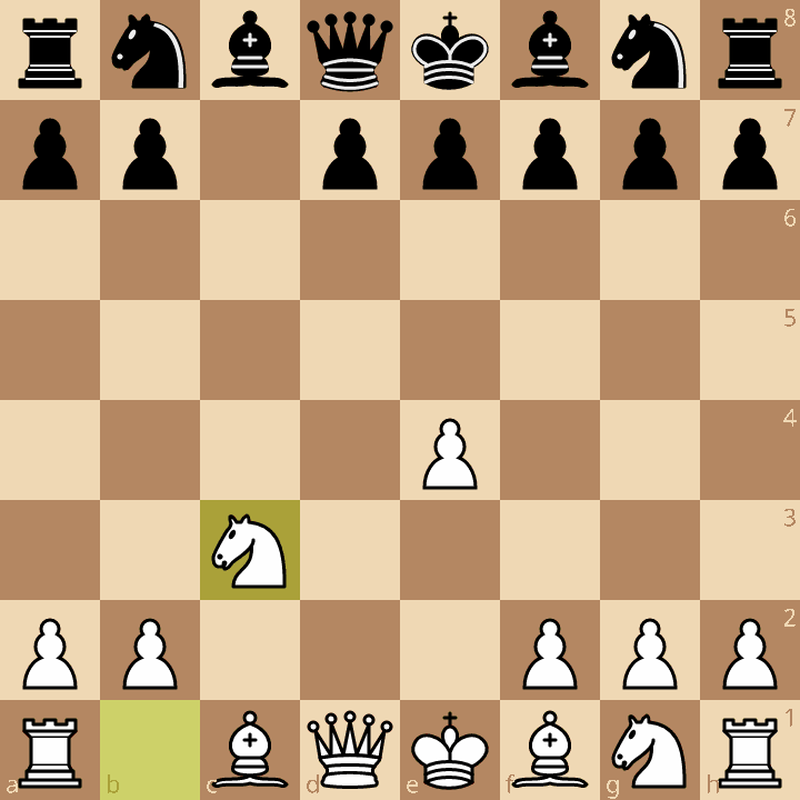
The gambit is accepted. White has a lot of open lines for his pieces and hopes to get ahead in development in exchange for the sacrificed pawn. Very classical and romantic at the same time.
4...e6 5. Nf3 a6 6. Bc4 Ne7 7. Bg5 Qc7
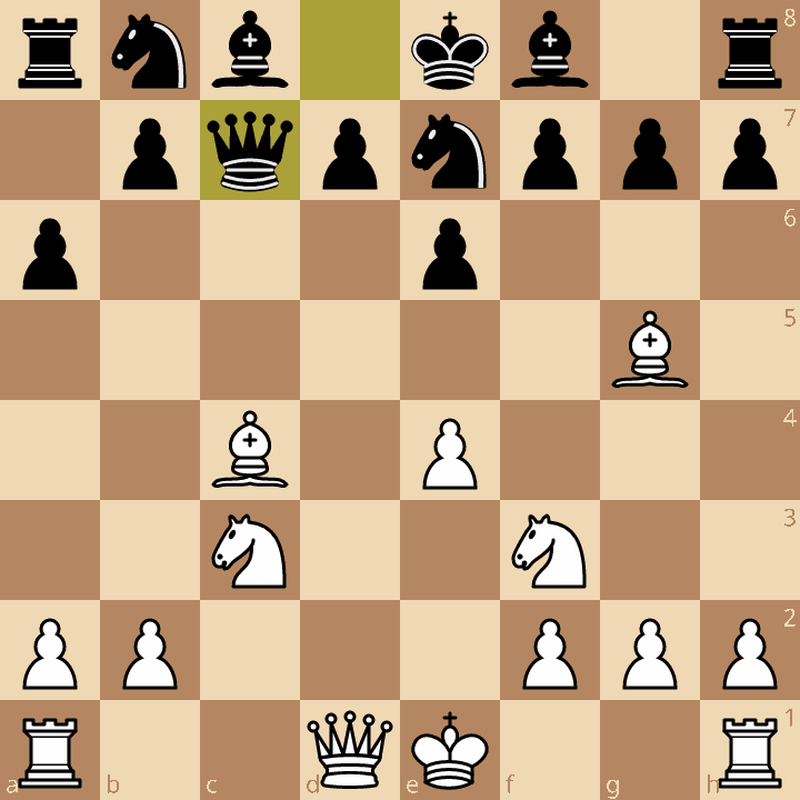
One of the defensive setups by Black. Now, if you play this with White, you should be ready for about 10–12 setups that Black can choose (but hey, the Open Sicilian lines also give Black a huge choice).
8. Bb3 Ng6 9. O-O Nc6 10. Nd5!
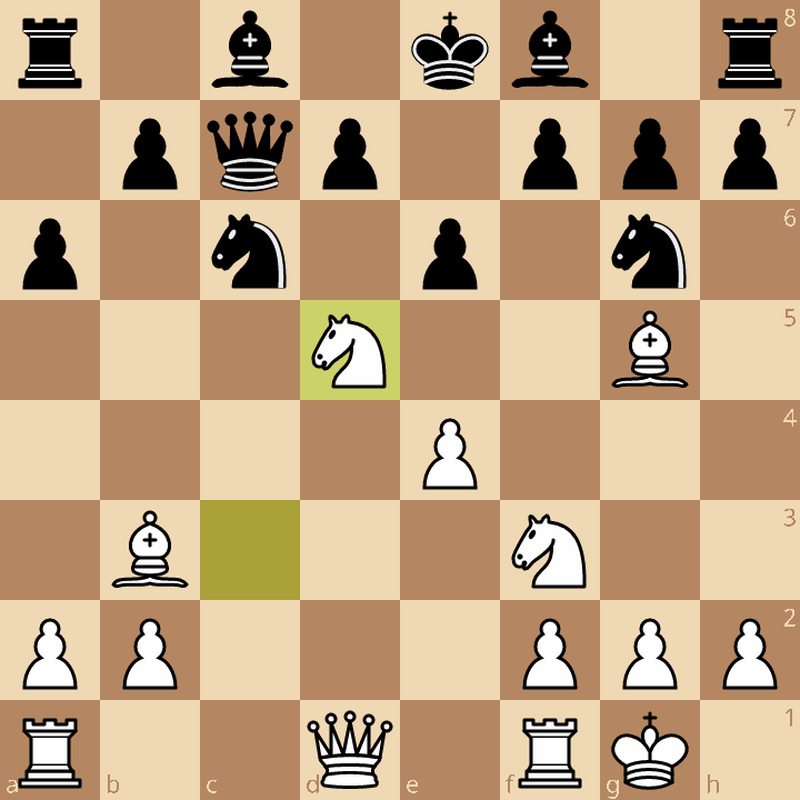
A typical but brave sacrifice. White wants to remove both e-pawns and to pile up on the Black king. If Black does not take the knight, it is just too strong in the center (and sometimes threatens Bb6, Nc7+, etc.)
10...exd5 11. exd5 Nce5?
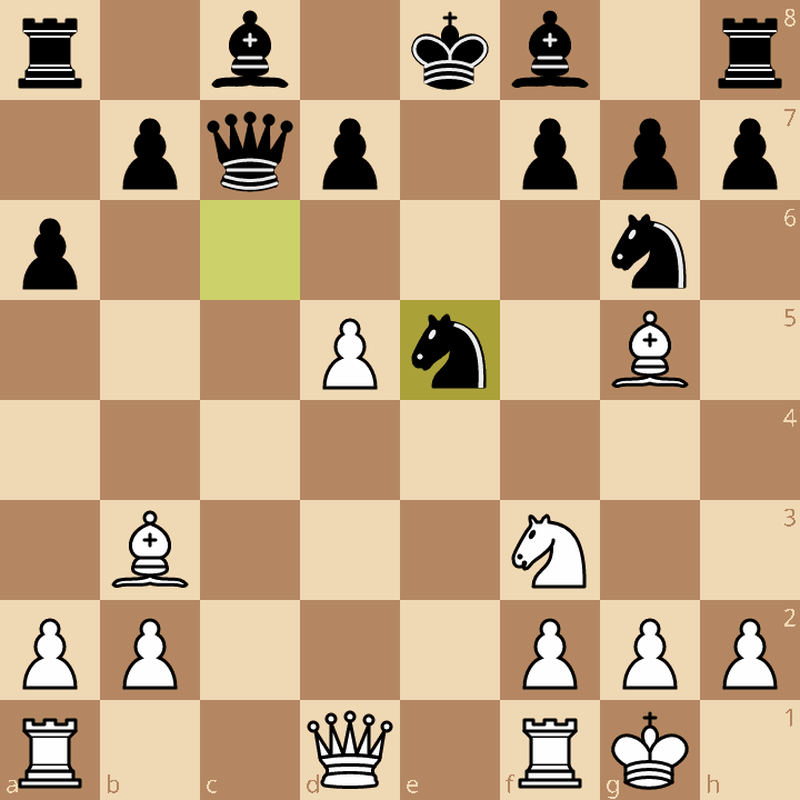
Black wants to keep the extra piece (which he should give back and try to castle), but this gives White time to roll his cannon to the center.
12. Nxe5 Nxe5 13. Re1
Engine thinks that f2-f4 should come first and that now Black can pin the f2 pawn with ...Bc5.
13...d6 14. Rc1
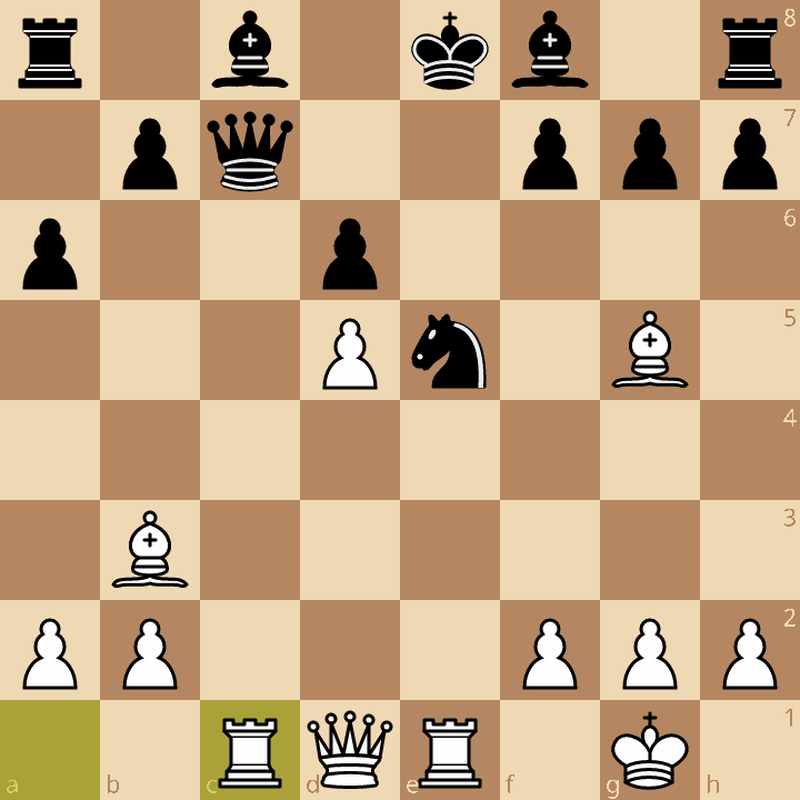
White has a lot of compensation for the piece: Just look at how all of White's pieces are placed for an attack. Now Black has to find a good retreat for his queen.
14...Qb6?
What is fascinating about the Smith–Morra is that it's easy for Black to go wrong. The only decent retreat was 14...Qd7! – but who would look at that?
The natural move in the game is self-suggesting but losing. Can you spot the winning tactic here?
15. Rxc8+! Rxc8 16. Ba4+
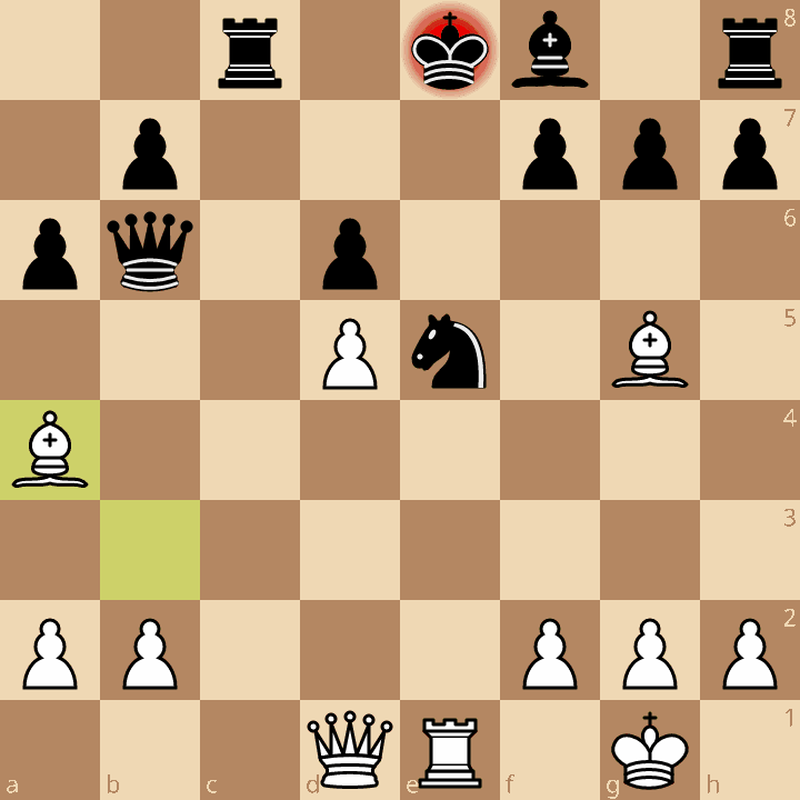
White's second sacrifice (on c8) begins to make sense: Black does not have the bishop to block on d7 and so has to return a whole rook.
16...Rc6 17. dxc6 bxc6 18. Rxe5+!
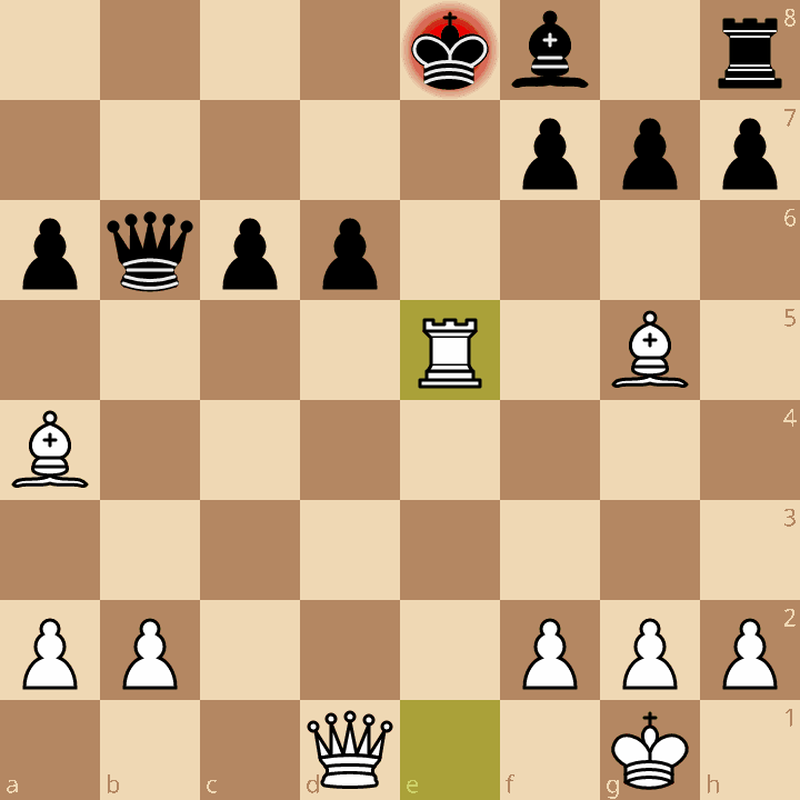
A third sacrifice right in the middle of Black's defenses, opening up all lines towards Black's uncastled king.
18...dxe5 19. Bxc6+!
One final sacrifice to deflect the Black queen from defending d8.
19...Qxc6 20. Qd8#
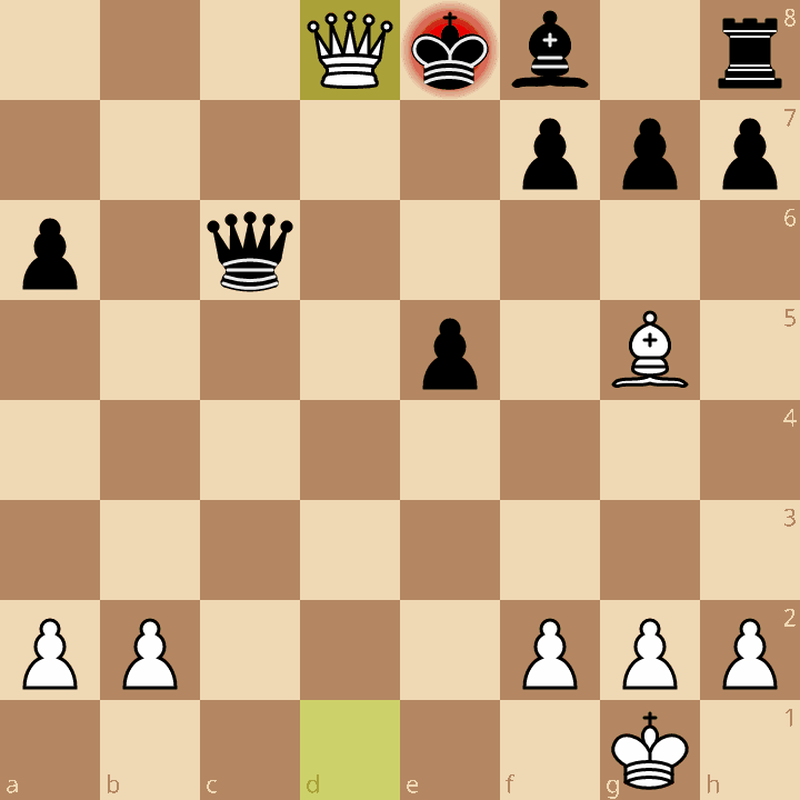
Just like the old masters of the good ol' 1800s! No words to describe this, unless you have seen the Opera Game (then maybe these two are the words? Doesn't this one remind heavily of it?)
Interestingly, by knowing this game, recently I've beaten a 2172 (by transposing at move 17), who chose not to take the rook on e5 and to get mated the other way. See full analysis.
Anyway, thank you for exploring this brilliancy with me. Has this inspired you to try it out?
You may also like
 GM Avetik_ChessMood
10 Things to Give Up to Enjoy Chess Fully
Discover how embracing a lighter mindset can help you enjoy chess again and achieve better results. ChessMonitor_Stats
Where do Grandmasters play Chess? - Lichess vs. Chess.com
This is the first large-scale analysis of Grandmaster activity across Chess.com and Lichess from 200… paunchypawn
Luckier against 2233 – or tougher?
For some reason, it's crushing the Pirc again FM MathiCasa
Chess Football: A Fun and Creative Variant
Where chess pieces become "players" and the traditional chessboard turns into a soccer field paunchypawn
A tactical jewel of a game in the French
You've never seen so many pins at once paunchypawn