
My first offline camp in 2025! [2300+ Rateds]
I had restricted the camp to 2300+ rated players so that players of similar level could sync their thought process and play training gamesPlace:
My academy, 'Chess Thulir,' is located in Chennai, where I plan the camp dates two weeks in advance and finalize player participation 2-3 days prior to the camp. This way I prepare the materials accordingly. Fortunately, I also have the flexibility for last-minute plans since many players are either based in Chennai or nearby.
Timings:
We typically engage in chess from 10 AM to 5 PM, with a lunch break lasting between 30 minutes to an hour. After our chess sessions, the most exciting part of the day begins! We play cricket for 2 to 3 hours, depending on the availability of turf slots. I have been following this routine for the past 2 to 3 years with these players since most of them are regular to my camps. This approach not only helps us improve our fitness levels but also strengthens our emotional connections with one another.
Camp Duration:
In general, the duration of my camps varies based on the needs of the players. I occasionally conduct 10-day camps when the focus is solely on openings. However, I typically limit the duration to 5 to 7 days when we concentrate on middlegame, endgame, or calculation techniques.
In the below mentioned pic,I am the guy with the Black t shirt, checking the answers of one of the participants[Ilamparthi]
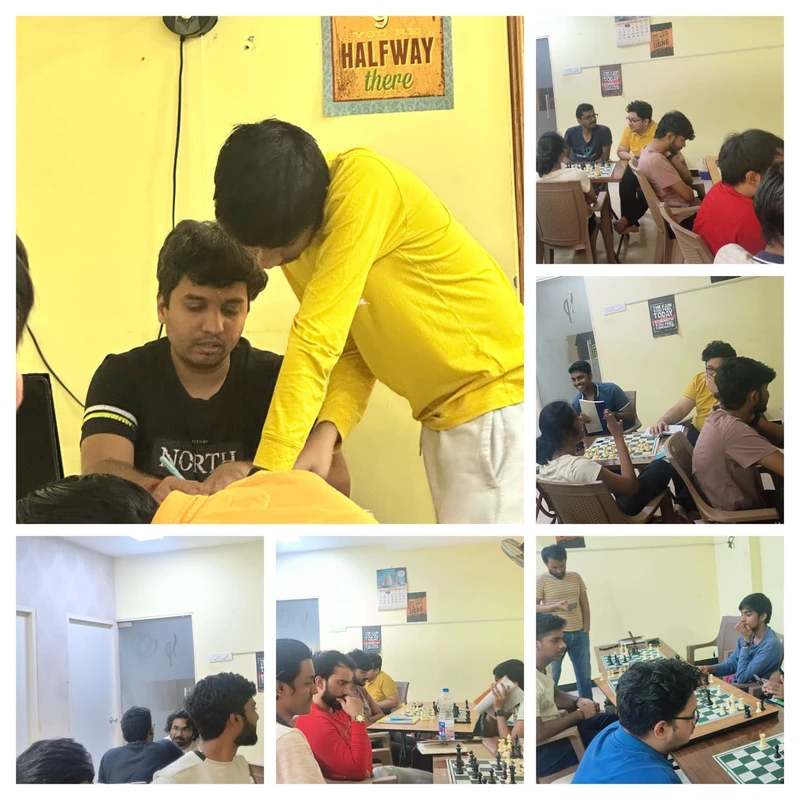
This time, I conducted a 6-day camp with a strong emphasis on calculation. I selected specific positions for training games and set the time controls to either 10+5 or 3+1. To make the experience more engaging, I divided the players into 3 to 4 teams, each consisting of 2 to 3 players. This way they could discuss among themselves and play against the another team.This was fun and challenging. I generally prioritize blindfold games and calculation in most of my camps, as these activities benefit greatly from collaborative engagement and the presence of others.
Let me share one of the interesting position which the players derived after 10 moves of blindfolded calculation.
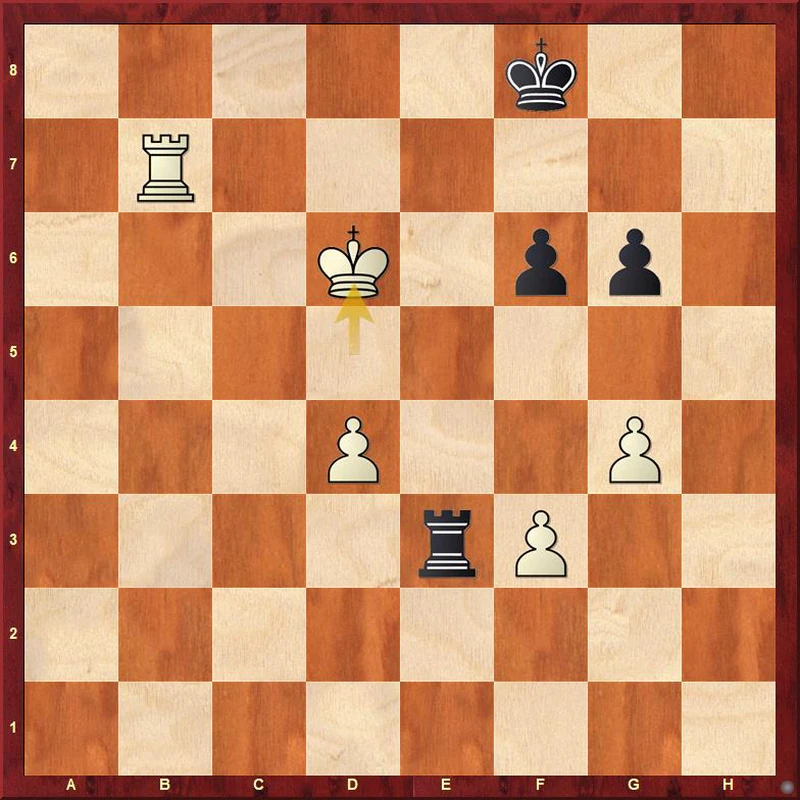
We arrived at this position from a rook and bishop endgame with four pawns each! While running my engine, I became confused to realize that this position is winning for White if the rook were placed on a7, c7, or even h7. I conveyed this observation to my students, and we spent about 10 minutes researching the differences between these rook placements. We finally managed to find the key difference! Certainly! Here’s a replay of the position along with some critical analysis.
Studying this endgame was incredibly satisfying, and I felt compelled to share it with all of you! The intricacies of the position and the strategic depth involved made it a fascinating topic for analysis. :)
I look forward to sharing more interesting moments from my offline/online camps in the next blog. Until then, may you have a wonderful and inspiring chess week ahead! Keep honing your skills and enjoying the game. See you soon!
You may also like
 GM spidy92
Creating Grandmasters, One Journey at a Time
Professionally, 2025 has truly been a dream year for me. GM spidy92
AMBITION OR OVER AMBITION?
Its necessary to be ambitious,but it is also important to not be over ambitious! GM Avetik_ChessMood
10 Things to Give Up to Enjoy Chess Fully
Discover how embracing a lighter mindset can help you enjoy chess again and achieve better results. IM theScot
Life Hacks for Getting to IM
A post about the life-skills that help you in chess. FM CheckRaiseMate
The Minimalist Chess Workout
What's the simplest thing that could possibly work? ebk1976