
From 800 to 1600: One adult Improvers Real journey
Adult Improvers! This is for you. 5 Minutes is all you have to give.From 800 to 1600: A Conversation With Arjun – The Adult Chess Improver
“I’m 29. I like chess. But is it too late to actually get good at it?”
That’s how Arjun first reached out to me. A soft-spoken software engineer, working 9 to 6, tired at the end of the day but deeply curious about the 64 squares. He wasn’t looking to become a grandmaster, he just wanted to grow, compete, and feel proud of his improvement.
He started around 800, like many adult learners do. The first thing I told him was this:
“You're not too old. You're just early in your journey.”
So let's begin! I'll take you through his journey. We'll get to know how he improved his ratings in a matter of no time!
Phase 1: Stop Drowning in Random Content
When Arjun started, he did what most adult beginners do, he watched YouTube videos, downloaded five different apps, joined multiple Discord groups, and played dozens of blitz games after work.
And so I told him: “Stop. You’re overwhelmed. Let’s simplify.”
We started by stripping things down:
-
No more opening traps videos.
-
No more Bullet / Blitz games.
-
No more trying to copy Grandmasters.
I asked him to spend 30-45 minutes a day doing just three things:
-
Solving basic tactics.
Something like Puzzle Rush on Chesscom or Puzzle Storm on Lichess. -
Playing one Rapid game
Let's say 10+0 or 15+0 -
Reviewing that game without the engine first.
In two months, he was already creeping toward 1000–1100.
“Turns out learning why a move works is more useful than memorizing what move to play,” he laughed.
Exactly.
Phase 2: Trust the Process
One day, Arjun messaged me:
“I lost 5 games in a row. I’m not learning anything.”
“Stop being results-obsessed. Focus on improving your decisions, not your rating.”
The very next week, he sent me a game where he found a beautiful deflection tactic — not something he learned from a book, but something he saw because his thinking had changed.
Phase 3: Learn the Game, Not Just the Moves
Now that he was crossing 1200, we focused on structure. I asked him to pick one simple opening system with White (he chose London, of course he was following the trend! ) and one reliable defense with Black. So I suggested that he play Caro-kann against 1.e4 and Slav against 1.d4. I felt it was important that I suggest something comparatively simple, I have seen players rated 1100 and playing the sharpest lines of Najdorf.
But more importantly, I told him:
“Don’t memorize lines. Understand ideas. Ask yourself: where should my pieces go? What’s the pawn plan?”
We spent time on why we castle early, why we avoid certain trades, why it’s important to activate the knights before bringing in the bishops and so on.
Phase 4: Annotate One Game per Week
When Arjun crossed 1300, his progress slowed — not because he wasn’t improving, but because he wasn’t seeing his patterns clearly.
So I gave him a challenge:
“Pick one game each week and annotate it. No engine. Just your thoughts.”
Here’s the process:
-
Go through the game on whichever platform you're playing. Make sure the engine is off! Don't let the engine scream and tell you the moves straight away.
-
Add notes where it mattered:
“I played this to control the center.”, “I missed a threat here.” -
Mark 1–2 moments of confusion or doubt.
-
End with 3 lines: what went well, what didn’t, and what to try next time.
That’s the power of annotating.
It slows you down and makes your thinking visible. And once Arjun started doing this, his decisions became more deliberate and his rating climbed steadily.
So if you’re stuck:
Don’t just play. Reflect. One analyzed game a week can be a turning point
You don’t need a coach to tell you what to do, you need one to show you what you’re not seeing.
Guidance, even in small doses, can save you weeks or months of confusion.
Phase 5: The Climb to 1600 — Quiet, Consistent Work
By the time Arjun hit 1600, there was no sudden trick. No magic.
What there was, though, was:
-
Discipline.
-
Patience.
-
Regular feedback.
-
And trust in the process.
He stopped chasing every new course or book. He focused on playing, analyzing, and adjusting.
He didn’t quit after bad weeks. He didn’t obsess over 50-point drops. And he stayed curious, always asking, “What could I have done better?”
Final Words for Every Adult Improver
-
You don’t need 6 hours a day. You need 30 focused minutes.
-
Stop trying to learn everything at once. Learn one thing well.
-
Don’t go it alone forever. Let someone look at your thinking once in a while.
-
Measure growth by clarity of thought, not just by rating.
And most importantly:
You can start at 25, 35, 55 — and still build something you’re proud of.
If you’re anything like Arjun: juggling work, life, and a growing passion for chess, and you’re serious about improving, feel free to reach out. I work with adult players who are ready to train with purpose and clarity.
Let’s work together to bring structure, strategy, and progress to your chess journey — one step at a time.
ABOUT ME!
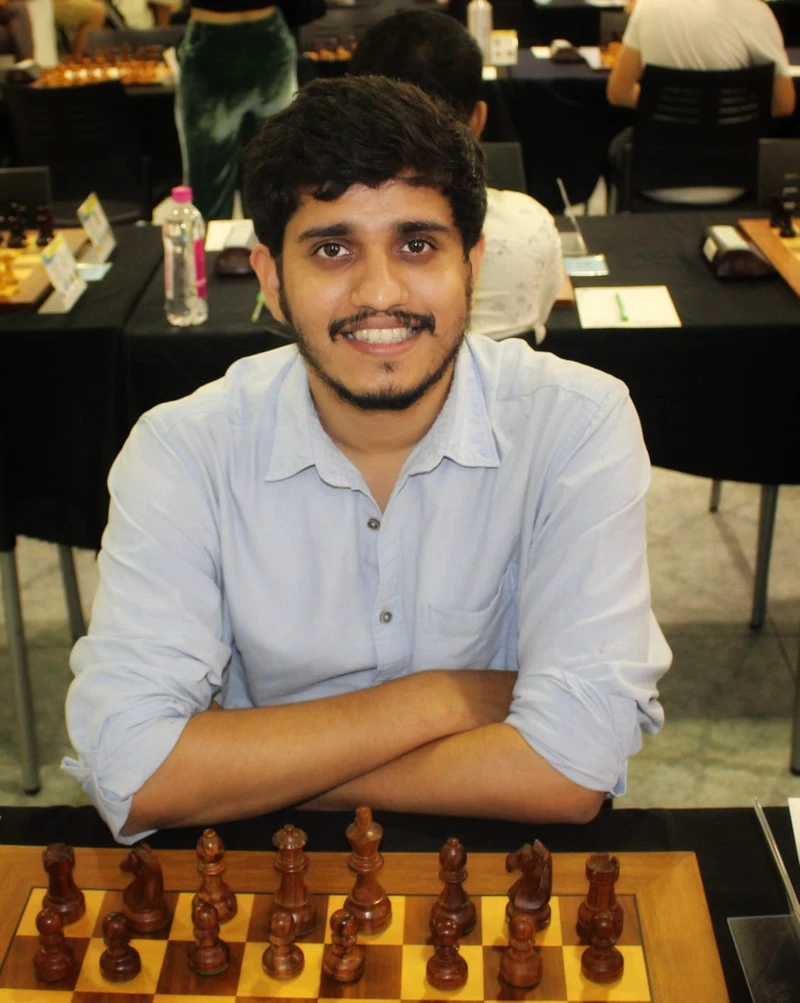
I'm a Chess player and Coach with a FIDE rating of 2287 and a chess.com rating of well over 2800 and lichess rating well over 2700.
I hold the esteemed title of FIDE Instructor. I have been a professional player for more than 16 years and have been coaching for the last 7 years.
If you would like to know more about me, message me here or visit my website www.themindfulmoves.in
You may also like
 CM HGabor
Effective training methods - doing tactics
My previous post was about chess training in general. We will dive into the details now. So, what yo… CM ved1703
Why Strong Players Slow Down When They’re Clearly Winning!
You’re winning, your opponent is low on time—and that’s exactly the moment when one careless move ca… CM HGabor
How titled players lie to you
This post is a word of warning for the average club player. As the chess world is becoming increasin… CM HGabor
How to make your chess training effective
This is the first post of a series about effective chess training. In the following posts, I will di… FM CheckRaiseMate
A Strategic Rule I've Never Seen Before
How do you choose which piece to use for defense? FM CheckRaiseMate