
Image by Tima Miroshnichenko with some editions
The Stories of Openings - The Catalan
In this post we will learn the story of the Catalan Opening, not in a historical sense, but rather the hopes and dreams of both sides in this opening while perhaps learning a very small amount of theory along the way
Quick disclaimer because it feels necessary these days - this post is 100% AI free
Introduction
Welcome to what is meant to be the first post of a series of posts telling the stories behind certain openings. Nowadays, most people have some kind of theoretical knowledge. They know if I play this, they can play this and that, and against that I do this because of that... That is all fine, but at the same time a lot of people end up playing the initial moves without understanding why exactly they are played, and what they do and how they change the dynamics of the incoming middlegame. This might seem like not a big issue at first but then they finally get out of book and get a bit clueless on what to do.
There are many ways to improve at this understanding. In these posts, I will tell you a little story about each opening - in this way, not only it might be entertaining, but also in this way it is much more likely that one gets to remember for the future what is really going on behind the scenes.
This series is mostly meant for beginners, but even if you are more advanced in your chess journey you might get to think about the opening in a way you haven't thought of before.
Enjoy!
The Catalan
Ah, the Catalan! One of the most annoying openings to face as Black, with reputation for being one of the most solid openings for White. Why does it put any pressure on Black though? What are the downsides and upsides of each move, compared to other setups?
The Catalan is a Queen's Pawn opening. Because of this, its story will inevitably be intertwined with the story of other Queen's Pawn setups. That is fine. After all, chess is a complicated game and main actors from one story can get to participate in another, or at least be ready to jump into action, without never be called quite into play. Let us begin.
White plays 1.d4.
This move is logical enough - Controlling the center with pawns is good (for reasons that are a bit outside of the scope of this post - do take your shot in the comments though, to see how well you really understand this supposedly super simple concept! My experience with a lot of students is that they do not, entirely) - 1.d4 controls both e5 and d4. So far so good.
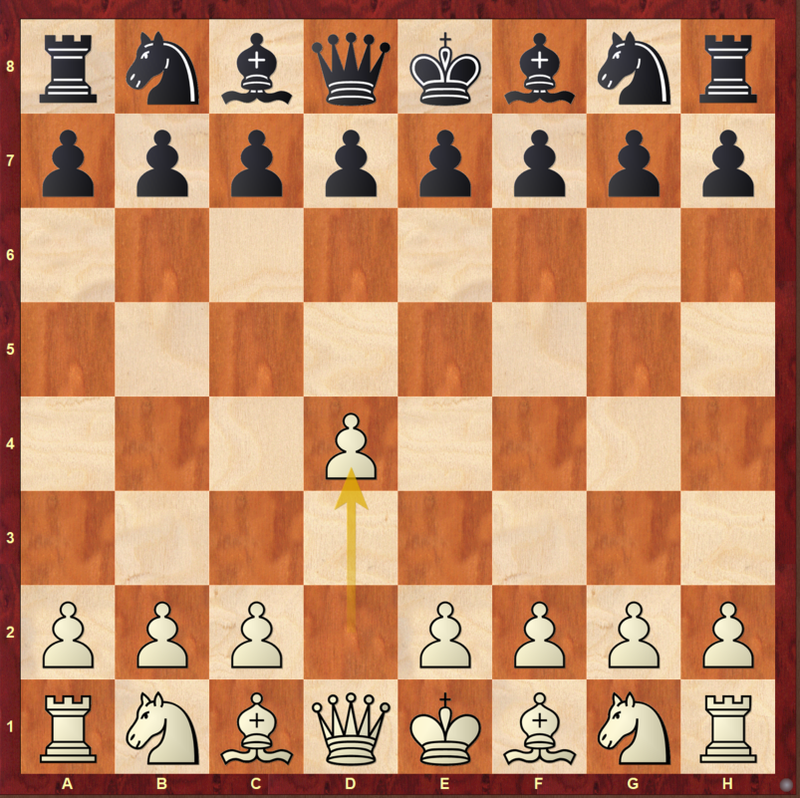
Okay, now it is Black's turn. What is Black supposed to do? Black also wants to control the center with pawns, but e5 is out of the question now, so 1...d5 it is!
Black plays 1...d5
Suddenly, White cannot place more pawns in the center anymore... What now? They could start getting pieces out - that is the London System! - but White wants a bit more - White is the first to move, so confrontation should always favour White a bit as long as no tempos have been wasted. Because of this, White is justified to go for 2.c4. What is the point of this move though? Well, White is further increasing their control of the center (by now also attacking d5). It is placing a pawn en prise, but that is okay - the f1-Bishop is ready to be opened and take it back and afterwards they will have have two central pawns whereas Black will have just one. Perfect!
White plays 2.c4
Black is in a bit of a pickle again - the center is under attack! Black does not want to lose a central pawn for a "lateral" one - so they must reinforce d5 with a pawn. Two options spring to mind - c6 and e6
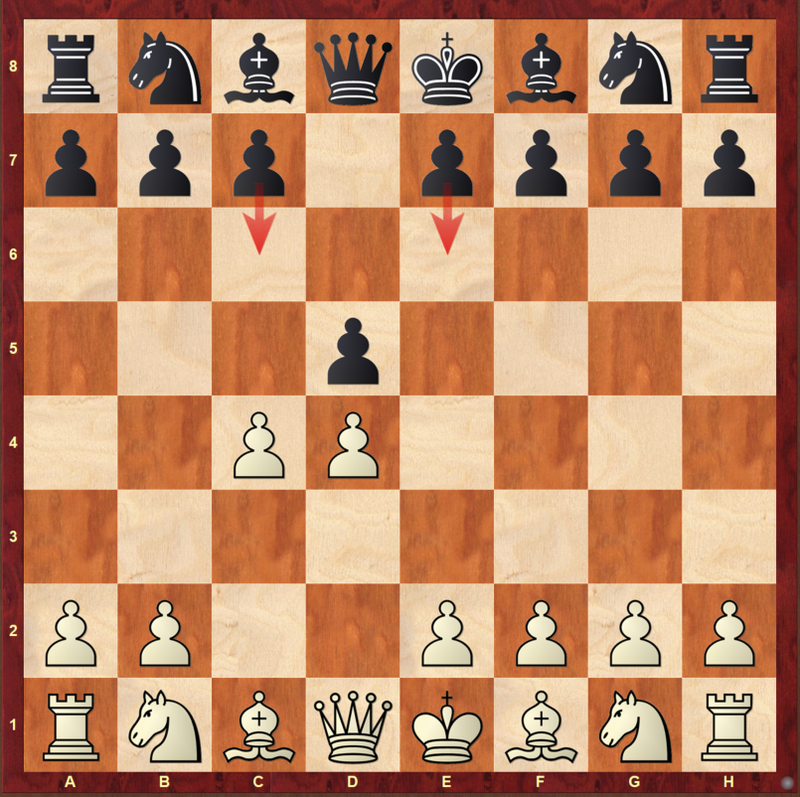
There are upsides and downsides to both - c6 blocks the knight and does not accelerate in any way castling (since no kingside pieces are opened or developed) but e6 blocks the c8 bishop... Black would probably like to play c6, get the bishop out and then eventually get the b8 knight out through d7. The problem in all of these Queen's Pawns openings is that, once the c8 bishop moves, Qb3 becomes an immensely annoying threat. For example, after 2..c6 3.Nf3 Bf5?! 4.cxd5! cxd5 5.Qb3
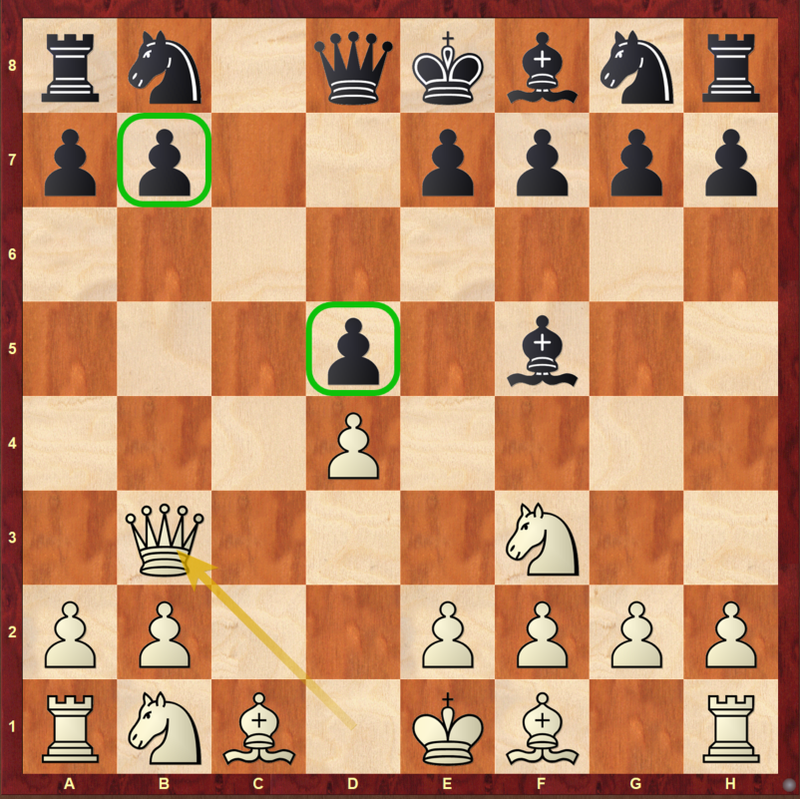
It is already extremely awkward to defend everything. Black could try to make 2...c6 work with some other plan in mind, but in today's story they will choose to go with 2...e6.
Black plays 2...e6
White plays 3.Nf3
Because why not - White is just developing a piece, since no further gains can be made in the center.
Black plays 3...Nf6
Black replies in fashion and rushes with enabling castling.
White plays 4.g3
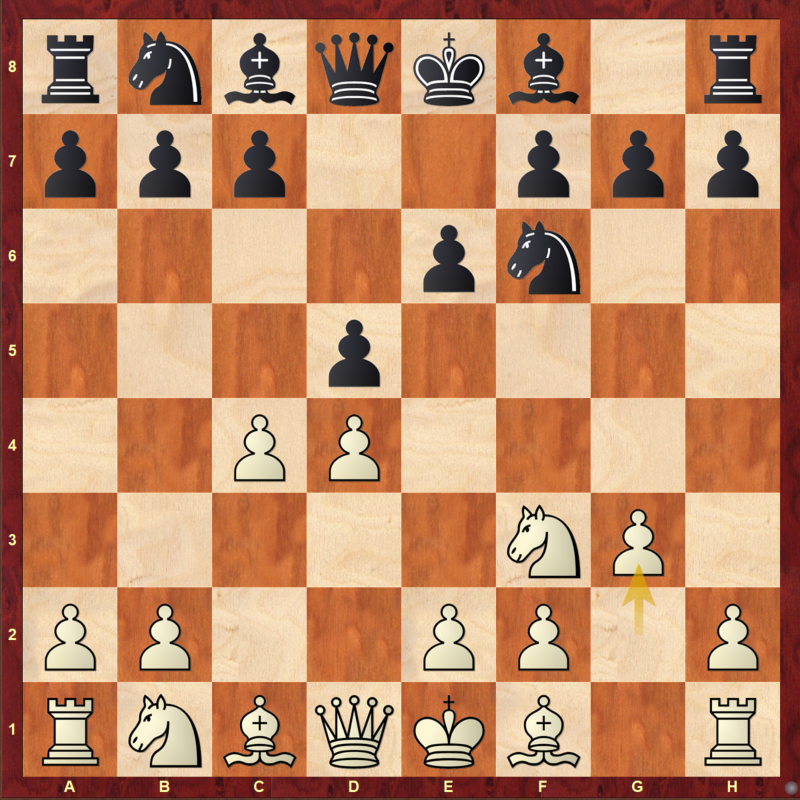
Finally, the Catalan! White had different possibilities, but decides to push this pawn. Why?
The main logical competitors to this move were 4.Nc3 (develops a piece) and 4.e3 (opens the bishop up and finally defends c4). 4.Nc3 is completely fine, and it is a different story - but 4.e3 has the problem that it blocks White's own c1-bishop. Maybe White could go 4.Bg5 or 4.Bf4 and only then play 4.e3 and develop the kingside? It is certainly a possibility and it is the way of developing after 4.Nc3. However, for concrete reasons, if White wants to play with e3, they should develop the knight first and only then try to get the bishop out. We will not delve into these reasons here.
If White really hates the b1 knight and wants to leave it benched, then only 4.g3 remains as an option to develop the kingside. After all, the Catalan is just this - a choice - so it going to be just as fine as 4.Nc3.
Now, it is Black's turn. Ever since 2...e6, Black has in mind a way to try to open the c8-bishop up - it is the only problematic piece in this whole setup. However, it is not clear how Black should help the bishop - e5 always drops a pawn. Maybe b6 can be a move. Black will think about that later, as that is unclear whether it is such a better place for the bishop (b7) and is worth the time. Since one should always play the most flexible and likelier to be needed moves first, Black will castle, and then think. Castle cannot be bad.
Black plays 4...Be7
White plays 5.Bg2
Black plays 5... 0--0
White plays 6.0-0
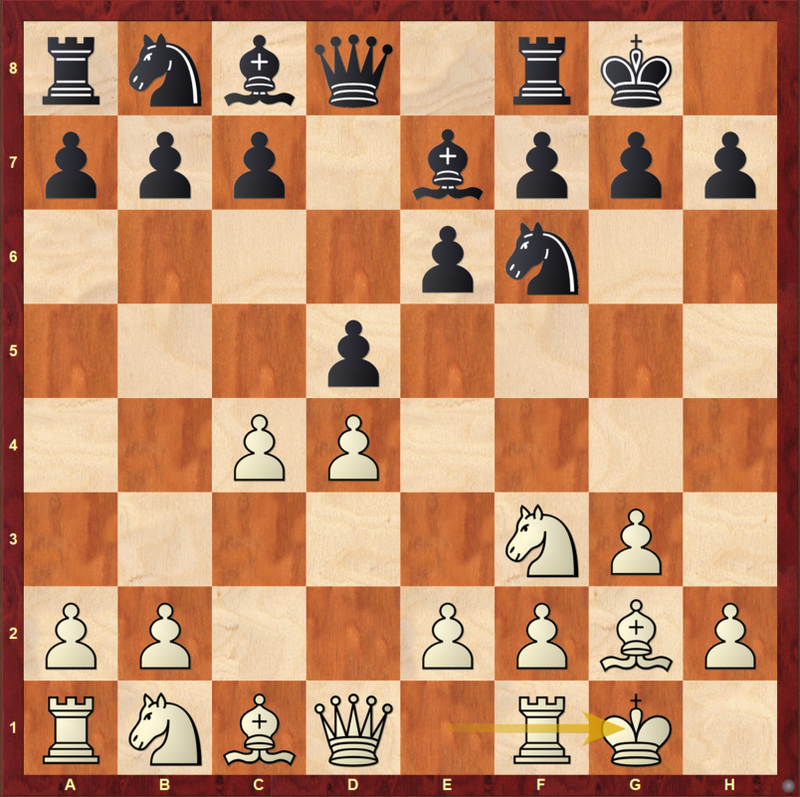
For the past couple of moves, nothing special happened - both sides just developed the kingside and castled. However, now Black is faced with a choice again. The bishop on c8 haunts them. Black can still postpone that decision by going 6...Nbd7... but that is just delaying the problem and not solving it. Sometimes, procrastinating on a problem will just make it worse.
Okay so, what can Black do now? Maybe finally 6...b6 and Bb7? Wait - the c4 pawn is still hanging! Why didn't Black take it before? Oh right, ideas with e3 and Bf1xc4 and losing the central pawn... But the bishop is not on f1 anymore! So is Black just going to be a pawn up? Ah yes, now Black starts to see White's idea - the pawn on c4 is going to be stranded in enemy territory and is likely going to be lost - and by taking on c4, Black opens up White's g2 bishop and gives up a central pawn! White is cunning. But Black has something up their sleeve too - Black understands that their main problem is the c8 bishop. If Black takes on c4, it will take some time for White to regain it. Maybe Black can use that time in some way? An idea is formed...
Black plays 6...dxc4
White plays 7.Qc2
The pawn hunt has begun!
Black plays 7... a6
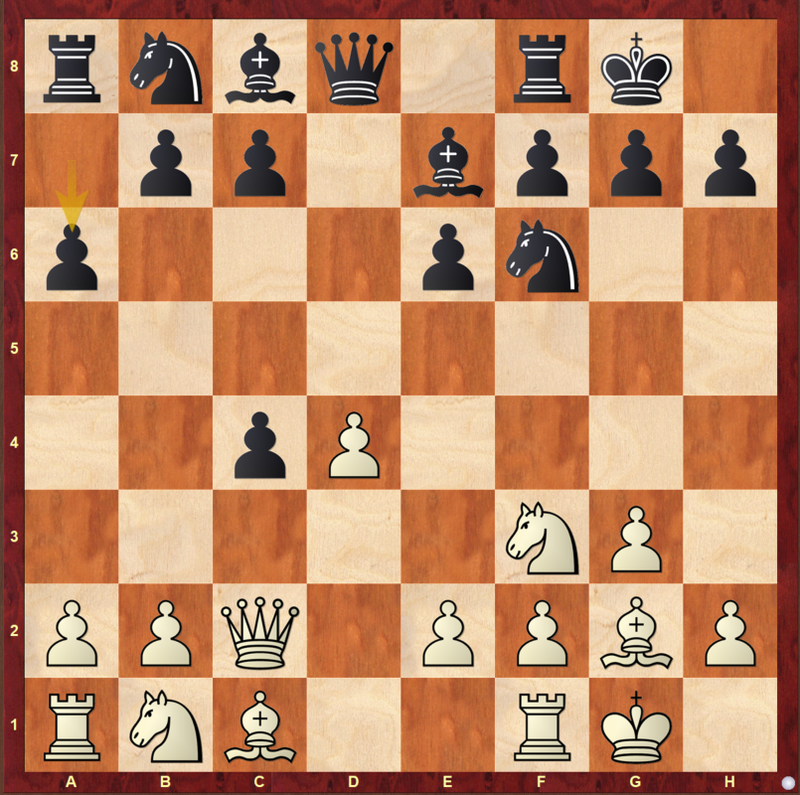
So this was Black's idea! Now, if White takes on c4 with the queen, Black will quickly play b5 and Bb7, solving the problem of the c8 bishop and fighting against the g2 bishop at the same time!
White is faced with a choice. They can simply take on c4 and after 8...b5 9.Qc2 Bb7 argue that c7 is now a backward pawn and very weak - and the game goes on, with Black trying to play c7-c5 at all costs and White trying to avoid it. A middlegame ensues.
They can also stop the whole b5 idea altogether. In this story, that is what White is going to do.
White plays 8.a4
Black cannot get b5 in anymore, and c4 is lost. Is all hope lost as well? Not really - the inclusion of a6 and a4 is very good for Black as now there is a juicy unprotected b4 square for Black's pieces. The c8 bishop will now come out via d7.
Black plays 8...Bd7
White plays 9.Qxc4
Black plays 9...Bc6
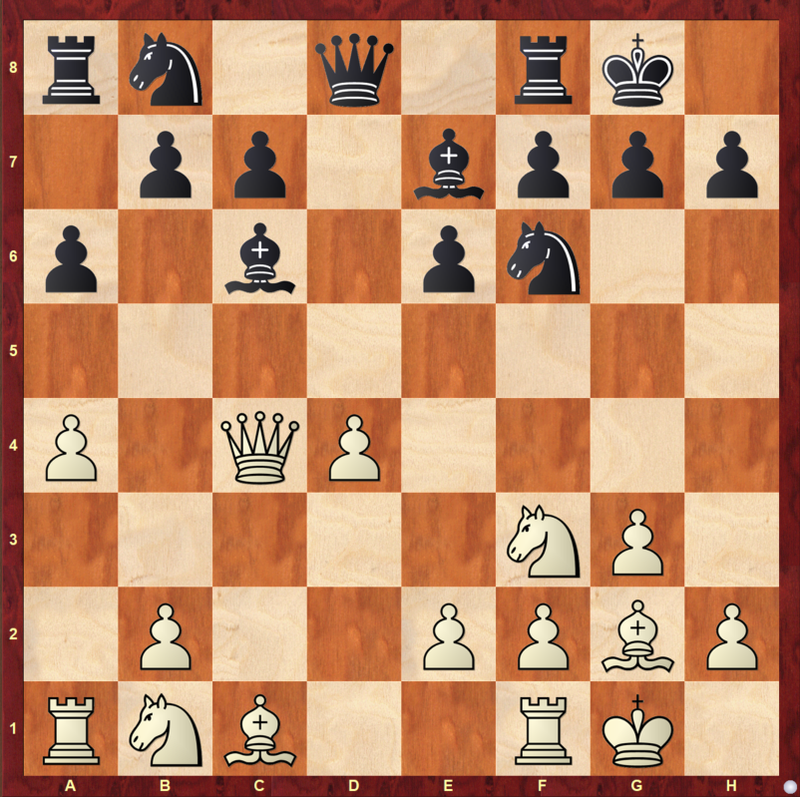
And so we reach the final position of today's story. White's argument for an advantages lies in the fact that they got two central pawns and, because of it, more central space. Black's job is to try to nullify that by emptying the house through piece exchanges, and perhaps a well timed c7-c5 whilst having the b4 square to work with. We now enter the middlegame!
Before we finish, I should tell you a small side story. What would have happened if Black had decided not to take on c4? After all, it did give up a central pawn and opened White's bishop on g2. What if Black does develop the bishop with b6?
Rewinding time...
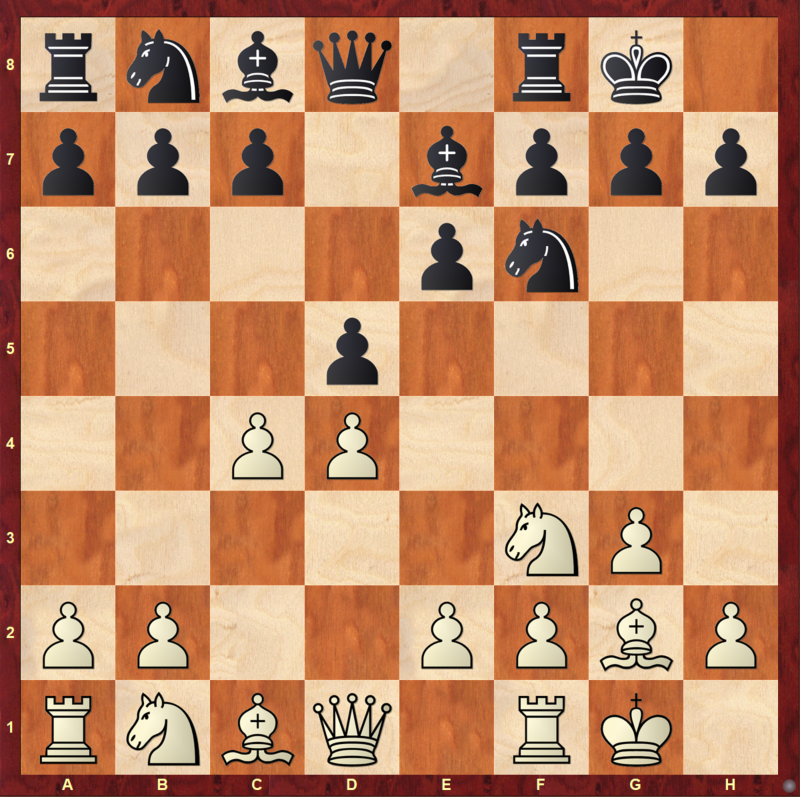
Black plays 6...c6
Black's strategy is different now - they will try to first and foremost restrict the g2 bishop completely and only then solve the c8-bishop problem.
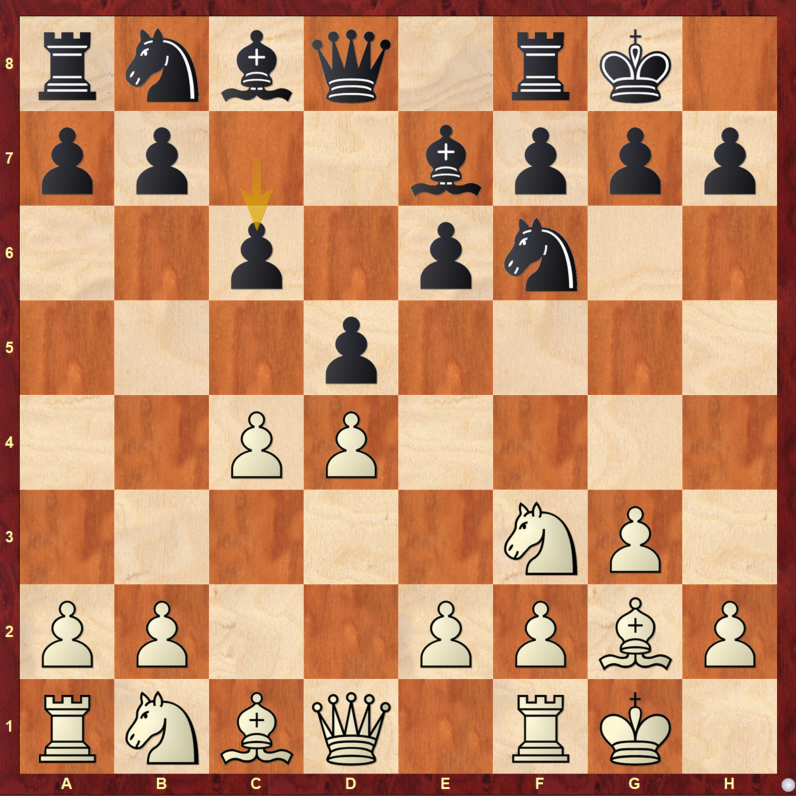
What is White supposed to do now? Taking on d5 still accomplishes nothing - it even opens Black's problem bishop. The king is safe. The development of a new medium term strategy is necessary. White could simply develop pieces with, say, 7.Nc3. However, the longer White ignores the c4 pawn, the more Black will think of taking it and, in all setups with a knight on c3, Black can think about a timely dxc4 and even protect it with b7-b5! In today's story, White will defend this pawn.
White plays 7.Qc2
What is White's purpose with this move though, besides the protection of c4? White actually has an active plan in mind - the opening of the g2 bishop. Black has mounted a rock solid structure with b7-c6-d5-e6-f7, but White can put even more pressure on it, by playing e4. If Black takes, mission accomplished - the bishop is opened! If Black ignores it, e4-e5 will becomes quite a nuisance - Black is going to suffocate in their solid, but small, camp.
This is what the game's about in this "Closed Catalan" - it is quite a different struggle from the previous story. It could continue 7...b6 8.Nbd2 Bb7 9.e4
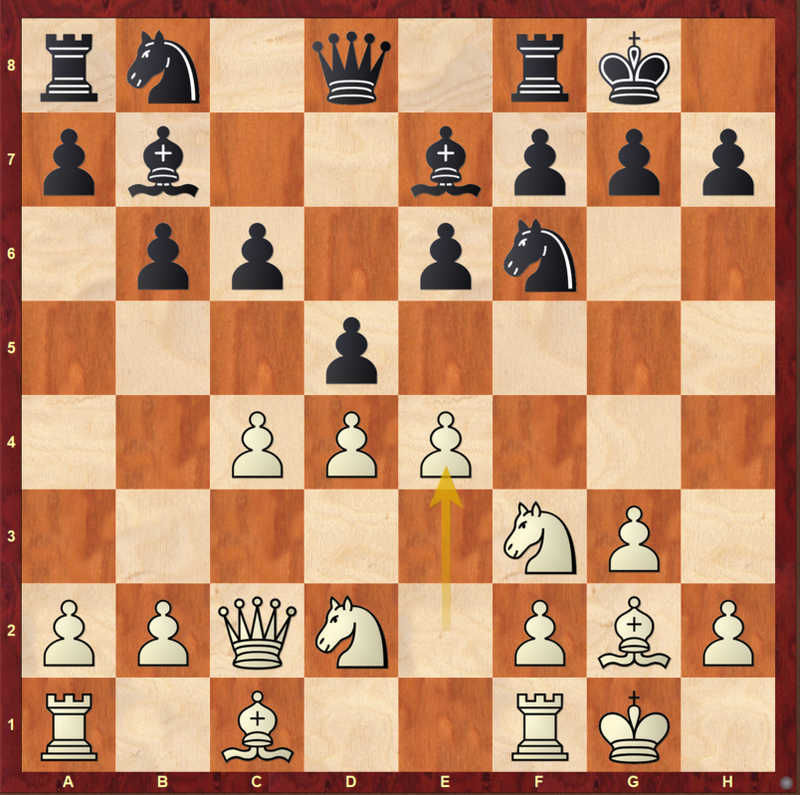
when Black needs to figure out a way to eventually play c6-c5 in order to not suffocate. We reach, once again, the middlegame!
Recap
So, what happened in this story? It all started simple enough - White wanted the center, Black did not want to give it up. Our main fork in the road comes on move 4 when White decided to fianchetto the kingside bishop. This has deep repercussions as it completely changes the dynamics around the c4 pawn. The game can then take a couple of different struggles, with Black simply ignoring it and running the risk of running out of space, or Black trying to take on c4 and either use the time White spends on regaining it for something important, or even trying to keep hold of the pawn! (stories which we did not cover today).
The end
I hope you enjoyed this story. Other openings will have their spotlight too, in incoming posts.
You may also like
 IM HelloItsDmitri
Why are tactics critical for chess improvement at all levels?
Tatics are what win games at the beginnings of our chess journey. However, the stronger we get, the … ChessMonitor_Stats
Where do Grandmasters play Chess? - Lichess vs. Chess.com
This is the first large-scale analysis of Grandmaster activity across Chess.com and Lichess from 200… IM HelloItsDmitri
What are pawns used for in chess?
It has been said that pawns are the soul of chess. But what exactly is the job of the weakest, yet m… IM HelloItsDmitri
Is a rook on an open file a good piece?
Rooks on open files are not the full story when it comes to define whether a rook is well placed. In… IM HelloItsDmitri
How should we play middlegames with opposite coloured bishops?
For many people, opposite coloured bishops mean that a draw is the likely outcome of the game. Lets … thibault