
Jack Anstey on Unsplash
The Upstream Problem
How studying endgames changed my middlegame without me tryingMost chess players have an area they avoid. Often, you aren’t consciously ignoring it but you never quite get around to it. You study it occasionally, give yourself a pat on the back and you’re relieved when your games don’t go there.
Here’s what I want to show you: that area isn’t just a problem when you arrive at it. It’s already affecting you 20 moves earlier, in positions where you think you’re playing freely.
In March, I was reading Volume 3 of Dvoretsky and Yusupov’s School of Future Champions series, Secrets of Endgame Technique. Dvoretsky was a world-renowned trainer who developed many grandmasters and masters, and if you haven’t read his books before, they’re demanding in the best way (for advanced players+). They train you to think accurately and reflect on what’s actually happening in your chess.
I was preparing for an OTB tournament in April and the book inspired me to play endgames/actively seek them out.
I’ve previously written on endgames and what I like about them here.
What I didn’t expect was what happened before I reached a single endgame in the tournament.
What changed before I reached a single endgame
I found myself making decisions faster in the opening and middlegame: more often than usual and more confidently than usual. And when I thought about why, it became clear.
I’d spent weeks studying positions where technique in the endgame was everything. I’d put in the reps with the exercises, failed plenty of them and come out the other side more confident. More importantly, I wanted to play endgames.
So when I was sitting at the board with a complex middlegame in front of me, the voice was louder than usual: don’t burn all your time here, you’ll need it later.
This time, I actually believed there was something worth saving it for.
Players who struggle with time trouble often look for the fix in the middlegame. Move faster, don’t over-calculate, trust your instincts. Sometimes that’s the right answer.
But sometimes the question is: why are you spending so much time there in the first place? If you’ve never really believed the endgame warrants your attention, you’ll keep burning your time before you get there. Some part of you doesn’t think there’s anything worth saving time for.
At the board
Two moments from the tournament that stayed with me:
Round 4 vs. IM Lane (Lichess broadcast link here)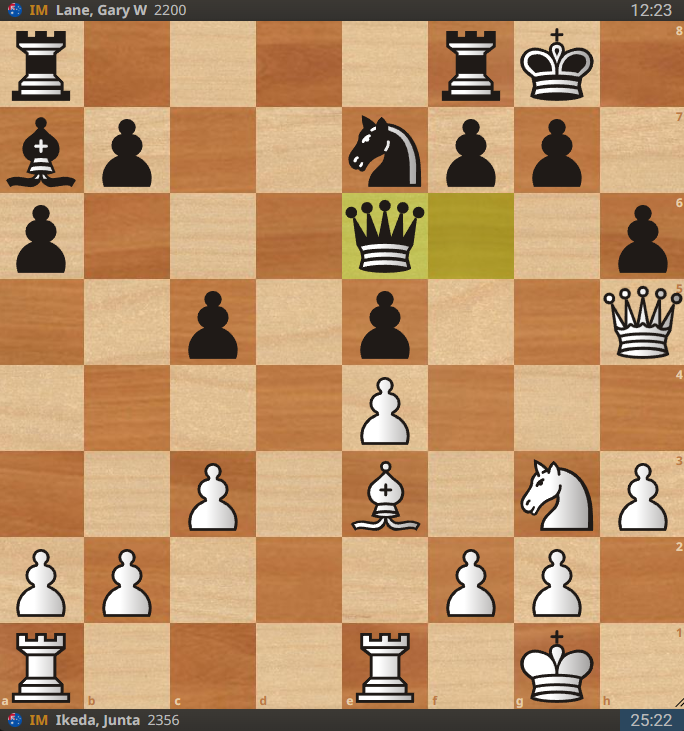
Moves like 21.Red1 or 21.Nf5 are healthy, but 21.Qg4 was crying out to be played so I played it quickly. I felt that after the exchange, White’s positional advantages (better minor pieces, better structure) would be accentuated in the endgame.
Round 6 vs. FM Dragicevic (Lichess broadcast link here)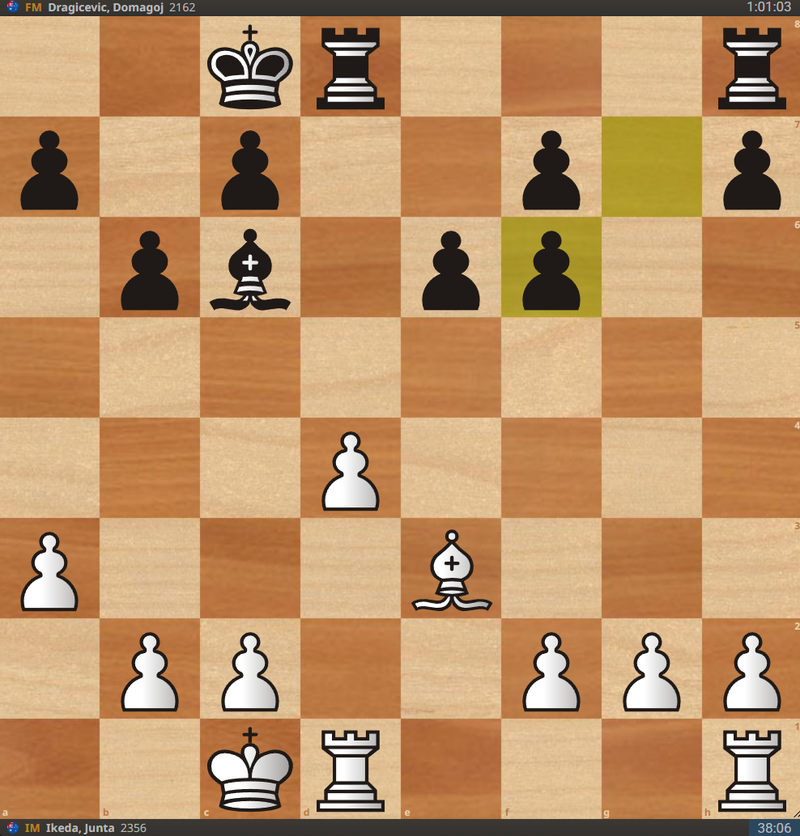
The book helped me in a different way for this game: in keeping belief. With rooks still on the board I knew there were winning chances as long as I kept a clear head. The technique wasn't perfect, but I won 67 moves later. What I remember from this position is thinking, “It might be an objective draw but I’m going to squeeze everything I can out of this.”
GM Ramesh, one of the best chess coaches in the world, said something in a Pro Chess Training session that I was reminded of in this tournament:
If you’re confident in endgame skills, you don’t need an advantage.
You just need belief, some imbalance in the structure or piece configuration.
The upstream problem
This is the part I ask you to think about, whatever your level.
Your weakness in chess isn’t just a problem when you’re confronted with it. It’s often shaping your decisions in the 20 moves before you get near it.
If you avoid training your tactics, you probably steer away from sharp positions without fully realising it. Complications feel too risky when you don’t trust your calculation. Your opening choices, pawn structure preferences and your willingness to enter messy middlegames all adjust around a gap you haven’t filled.
If you aren’t confident in pawn endings, you'll avoid trading into them even when they're winning. You'll keep pieces on that the position no longer needs because you don't trust what happens when they come off. Your opponent doesn't need to outplay you in the pawn ending because you've already outplayed yourself by not entering it.
If you don't understand pawn structures, which ones are good or bad or when to keep tension, you'll make pawn moves almost by instinct throughout the game, not realising each one is a strategic commitment. By the time the position has clarified, you're already saddled with weaknesses or a bad bishop you created yourself 10 moves ago without noticing.
The weakness doesn’t wait. It’s already there, upstream, bending the river before you notice the water has changed direction. Jack Anstey on Unsplash
Your blind spot
It might be tactical positions, a specific opening you’ve been patching rather than understanding or endgames you’ve been treating as drawn by assumption.
Whatever it is, I’d suggest it's costing you more than you think, and not just in the positions where it shows up directly.
Pick one thing. Find something that makes you want to go there: a book, a video, an annotated game that makes the area feel fun and interesting. See what else changes that you weren’t expecting.
That’s what happened to me. I went in trying to get better at endgames, and came out making better decisions in the middlegame as well.
What's the area of your game you've been circling around, meaning to get to properly, relieved when your games don’t go there?
It was true: The entire ball game, in terms of both the exam and life, was what you gave attention to vs. what you willed yourself to not.
—David Foster Wallace, The Pale King
If you want to get weekly emails with practical tips on chess improvement like these that help you build healthier habits, I write a free newsletter to over 2,000 chessplayers on Substack.
You may also like
 IM datajunkie
How to think like a master in quiet positions
The 3CE method IM datajunkie
"I Knew I Wasn't Going to Be a Normal Person"
A grandmaster's reflection after our game CM HGabor
How titled players lie to you
This post is a word of warning for the average club player. As the chess world is becoming increasin… neilgd72
Open sourced positional puzzles
2,200 interesting chess positions with positional rather than tactical best moves IM datajunkie
Why most chess players never learn from their games
What a fighter pilot coaching a Norwegian soccer team can teach you GM Avetik_ChessMood