
Beyond the Board
For the past four months, I’ve been focused on building a thriving chess community in Spanish, sharing insights that go beyond the board and into life itself. But chess, like life, is universal, and so is my passion for sharing its lessons. As a bilingual writer, it has always been my dream to bring my voice to English-speaking audiences as well—to connect with more people who see chess not just as a game, but as a tool for personal growth, strategy, and success. This is my first blog in English, and I hope it inspires you just as much as my Spanish content has inspired my community. If you're ready to see chess in a new light, join me on this journey. Let’s grow together—one move, one lesson, and one brilliant decision at a time. With love!Did you know every chess game you play prepares you to face life’s most complex decisions?
Chess is far more than a game of black and white pieces; it is a tool for transformation. Every move we make is a decision, and behind each decision lies an opportunity to train our minds for something much deeper: to anticipate, adapt, and accept the consequences of our actions.
Today, I want to share my vision of how you can apply the principles of chess to different aspects of your life.
1. Learn to Pause and Reflect
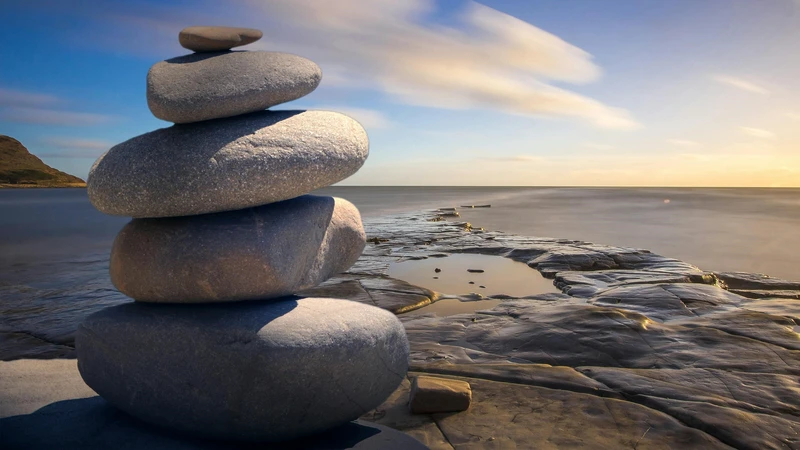
In chess, the first move that comes to mind isn’t always the best. This is a crucial lesson that we can all apply in daily life. Often, when faced with a challenging situation, we feel the pressure to make quick and impulsive decisions. But chess teaches us the importance of breathing, observing, and thinking before acting.
Practical Lesson: Before making an important decision—whether in your career, relationships, or personal projects—pause for a moment and ask yourself, "Is this the best move in the long run?" This will help you develop a strategic mindset, just as you would on the board.
2. Accept Defeat
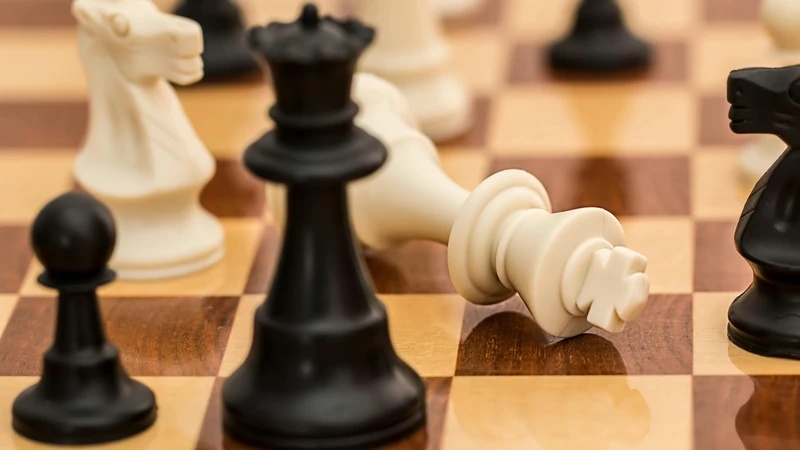
We have all lost games we thought we had won. That frustration is part of the game, but it is also an opportunity to build resilience. Learning to lose and rise again is essential—not only in chess but in every area of life. Each setback trains us to come back stronger and learn from our mistakes.
Practical Lesson: Whenever you face a failure or loss, ask yourself, "What can I learn from this experience?" This mindset allows you to transform mistakes into opportunities for growth.
3. Master Your Emotions
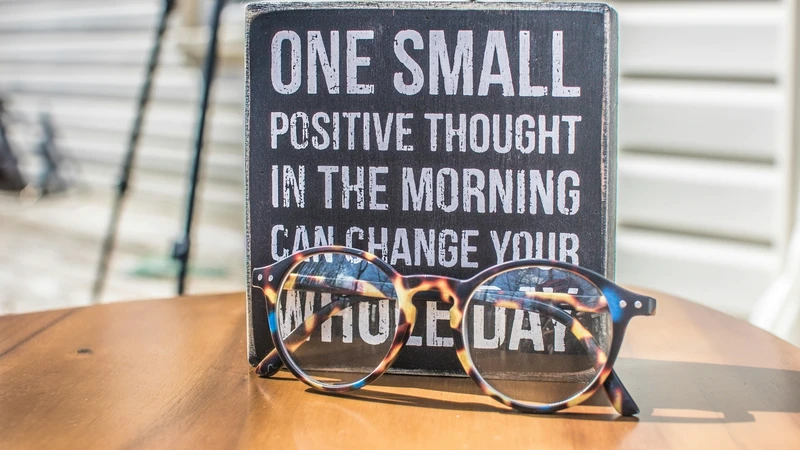
Staying calm is a superpower! Chess teaches us to maintain composure under pressure, to avoid letting fear or anxiety dictate our decisions. The key is not allowing emotions to lead us to impulsive choices. Being able to think clearly in moments of tension is a skill that both chess players and non-players alike should cultivate.
Practical Lesson: When facing a difficult situation, take a deep breath and pause. Imagine you’re in a chess game—stay calm, analyze with logic rather than emotion, and make the best possible move. Sometimes, the wisest decisions come from a place of inner peace.
Today's Reflection
Every chess game you play is training for life. On the board, as in life, we learn to plan, accept setbacks, value patience, and manage our emotions. My goal with this blog is to provide inspiration and strategies to help you become a “master” not only in chess but in every aspect of life.
If these lessons resonate with you, I invite you to keep exploring with me. This is just the beginning of a journey toward personal growth and mental mastery!
Let’s build a community of Brilliant Minds!
Share this blog.
Leave a comment with your thoughts.
Follow me for more exclusive content on chess and life strategies.
Keep making brilliant moves!
You may also like
 WFM Chess4always
Freestyle: The Chess Format Where There’s Nowhere to Hide
Are You Playing to Create or to Preserve? WFM Chess4always
Being a Mother and a Chess Player: The Bravest Game
Today, on Mother’s Day, I want to take a moment to honor the women who, with love and determination,… WFM Chess4always