
Declining the Declined Nimzowitsch
The Colorado looks like too much, but it's OTB certified:)
This blog is intended as a follow up to my take on Anti-Scandinavians (my best work yet), where against the Blackmar-Diemer Gambit I reccomended transposing into the Nimzowitsch Defence with 2.Nc6. I said also, that the biggest problem with the Nimzowitsch is the Declined Variation with 2.Nf3, where you have to do something dubious not to transpose to 1...e5.
But there is something so amusing about the Nimzowitsch I had to make it work. It's basically an insult to opening principles, as you let your opponent grab the whole centre and after 2... d5 3.e5 you don't event get the c5 break. Yet not only does it work, it often grants you positions objectively better than from more "sound" openings.
However today is not about the interesting positions Nimzowitsch offers, but about the problem I mensioned before and the reason it gets overshadowed by other choices. White can decline our provocation with either 2.Nf3 or 2.Nc3. The Vienna isn't particularly scary, in fact it can be scary for White to push f4 so early.
2.Nf3 on the other hand... 2...e5 is not what we want. So what other options are there? 2...d5 might me a logical answer, as we want to play that against 2.d4. The problem is there is no target on d4, so White is free to play exd5–Nc3
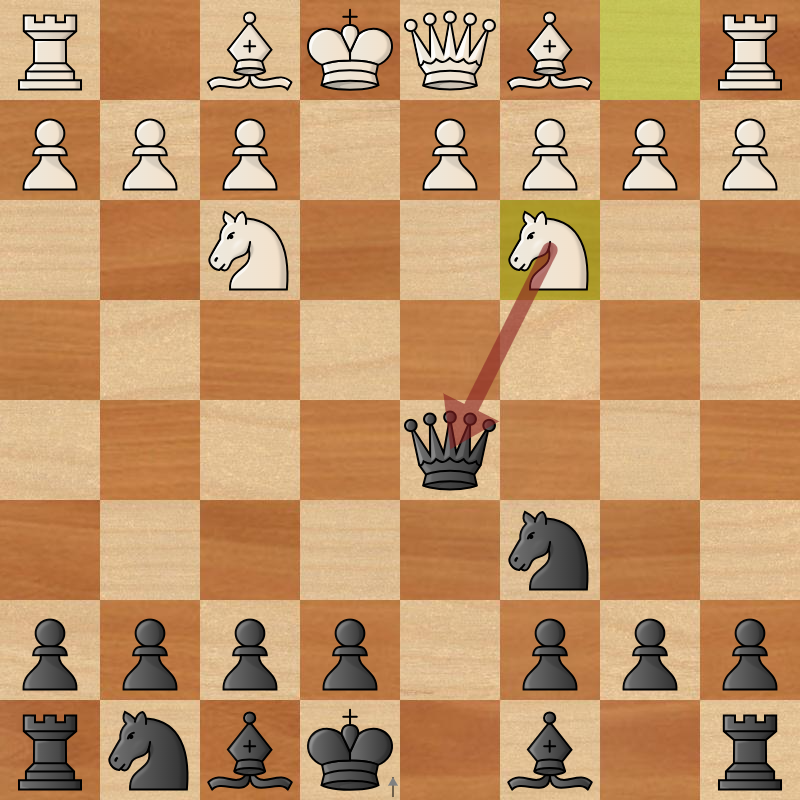 1.e4 Nc6 2.Nf3 d5 3.exd5 Qxd5 4.Nc4 — 4...Qh5 is an option worth noting, as it's completely lost in view of 5.Nb5, but scores incredibly well online.
The problem with 4...Qa5 is the knight isn't supposed to stand on c6 this early as it's vulnerable to d4–d5 and more importantly to Bb5. Qd6 is another option, but there again d4–d5 or more natural Nb5–c4/Bf4 are very difficult to deal with.
It's the same story for 2...e6, 2...g6 and 2...d6. The knight standing already on c6 is more of a liability and there is no good reason of choosing the Nimzowitsch over the Scandi, French, Pirc or the Modern if we will transpose to an inferior version of the given opening.
Which basically means to meet the Declined Nimzowitsch we have to either accept a worse version of some other opening, transpose to 1...e5 positions or play something dubious, which is where the Colorado Countergambit comes in with surprising 2...f5!?
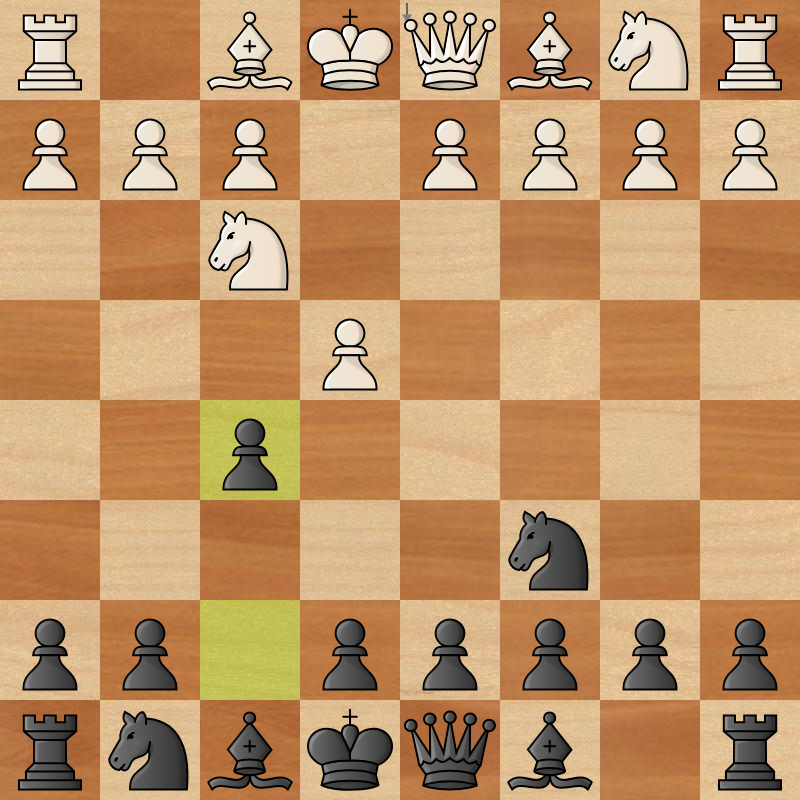 1.e4 Nc6 2.Nf3 f5 — The Colorado Countergambit. We want to recapture the f5 pawn with the bishop after 3...d5
We use the fact d1–h5 diagonal is blocked, so we aren't losing on the second move (well...). This is the only line I'm aware of that takes advantage either of the White knight standing already on f3, or the Black knight being on c6.
It looks scary. So scary in fact, white takes the pawn only in 2 out of 3 games*, so I think covering how White can decline the gambit is very important aswell, so let's start from there.
*at 2200+ blitz or slower
Colorado Countergambit Declined — 3.e5
White's most common way of dealing with the fxe5 threat is pushing the pawn to e5. We will challenge the e–pawn again with 3...d6, where White has 3 reasonable options.
White's most common response is 4.exd6, where we have a little surprise for them:)
The Real Gambit — 4.exd6
But the higher we move up the rating ladder, the more often 4.Bb5 is being played. There won't as many fireworks, but the positions are still very unique and interesting.
4.Bb5
Another common move is 4.d4, but I don't think it's challenging at all, which is confirmed by Black's winrates after dxe5–Qxd1+, so I don't think there is much need in me covering that.
However 3.e5 isn't the only way White can decline the gambit
Colorado Countergambit Declined — sidelines
Two other reasonable moves for White are 3.d3 and 3.Nc3. For whatever reason 3.d3 has the highest winrate*, but is the easiest to play against. We can respond with simple 3...e5
*at 2200+ blitz or slower
3.d3 — Reverse Vienna
Getting a perfct Vienna Gambit with Black from an opening this dubious is more than anyone can ask for. In my opinion a much more interesting way of declining the gambit is 3.Nc3.
3.Nc3 — Exchange french??
Yes, you read the header right, from such an imbalanced opening we can get the Exchanged French structure. But don't worry, it won't be a boring game;)
4...e5 or 4...d5 are a little bit too slow and White gets massive pressure on our centre with narutal Bb5, but luckily 4...Nf6 offers even more interesting positions.
But enough of that. Let's finally focus on what you will face 2 out of 3 games — 3.exf5 accepting the challenge!
Colorado Countergambit Accepted (and defended)
Well, we have to cover this first aswell. Instead of playing defence from the 3rd move like in previous chapters, now White will not only take the pawn, but also try to hold on to it (it won't end well)
Most common way of doing so is with the pieces, so Nh4–Bd3, but 4.g4 is also an option, which I'll cover first, as it's easiest to refute.
4.g4 — is this Queen's Gambit?
Are you having fun? Because we are about to enter the craziest line of them all, after White defends the f5 pawn with the pieces!
4.Nh4–Bd3
I wish White were this greedy more often...
But seriously, it's time to talk about what happens, when White plays natural moves. Surely then we just get a bad position with no tricks and we won't win the queen in 14 moves?
Colorado Countergambit Accepted (natural moves)
Let's see what happens when we follow the path of most common moves, shall we?
5.Bd3
Okay that was also fun. I bet you didn't expect to win so quickly against normal moves, did you? Only thing that's left is seeing what to do against a smart opponent, who recognizes the weakness of the e5 square.
5.Bb5!
Similarly to the Sceshnikov Sicilian White aims to trade one of e5's defenders, to fully sieze control of the square. Then the game will be based more on ideas, than concrete lines. So let's me give you some quick rules.
1. If we can force a pawn recapture on e5, we should take.
2. If we get to play e5, we almost always equalize, if not take over.
3. We want to break the Bb5 pin with a6–b5.
4. If White lets us squeze Bd6 in, before forcing Nge7, we have no problems.
5. To break the Bg5 pin, we go Qd6.
Let's see that in practice, so it makes more sense
Bb5–Ne5 looks much scarier than it is in reality. It's difficult to prove the advantage with White, and if you don't feel like giving white a chance to enjoy the e5 square, 6...Bd6!? might be for you.
Let's again look only at the ideas.
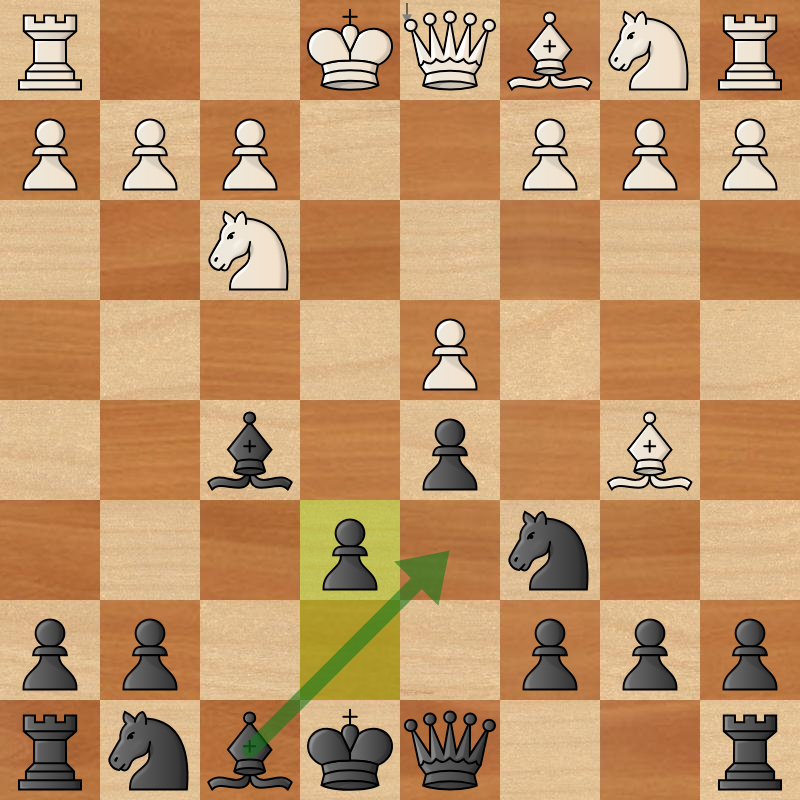 1. e4 Nc6 2. Nf3 f5 3. exf5 d5 4. d4 Bxf5 5. Bb5 e6 — Bd6 is a THREAT, with Black to move the position is equal.
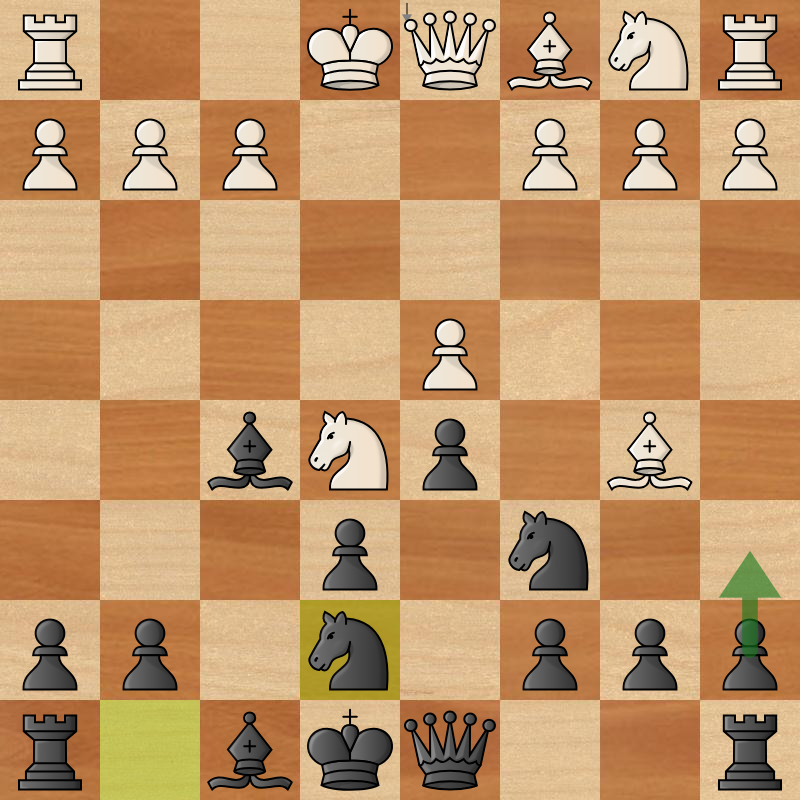 1. e4 Nc6 2. Nf3 f5 3. exf5 d5 4. d4 Bxf5 5. Bb5 e6 6. Ne5 Ne7 — a6 is a THREAT, with Black on the move, the position is almost -1!
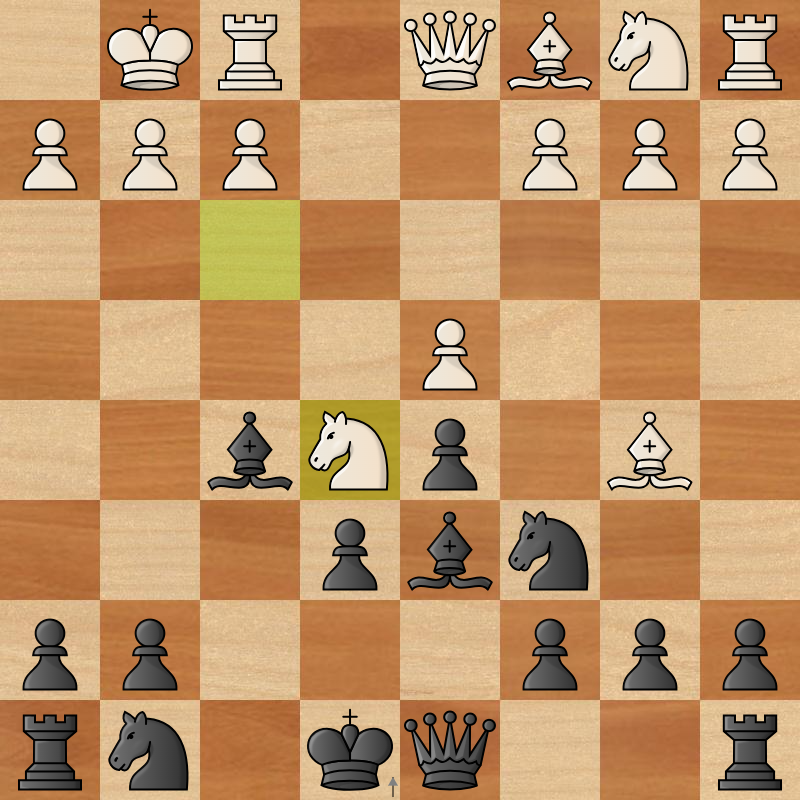 1. e4 Nc6 2. Nf3 f5 3. exf5 d5 4. d4 Bxf5 5. Bb5 e6 6. O-O Bd6 7. Ne5 Bxe5 — taking on e5 even with the bishop is good. White MUST throw in Bxc6+ (once in 72 games) to keep advantage
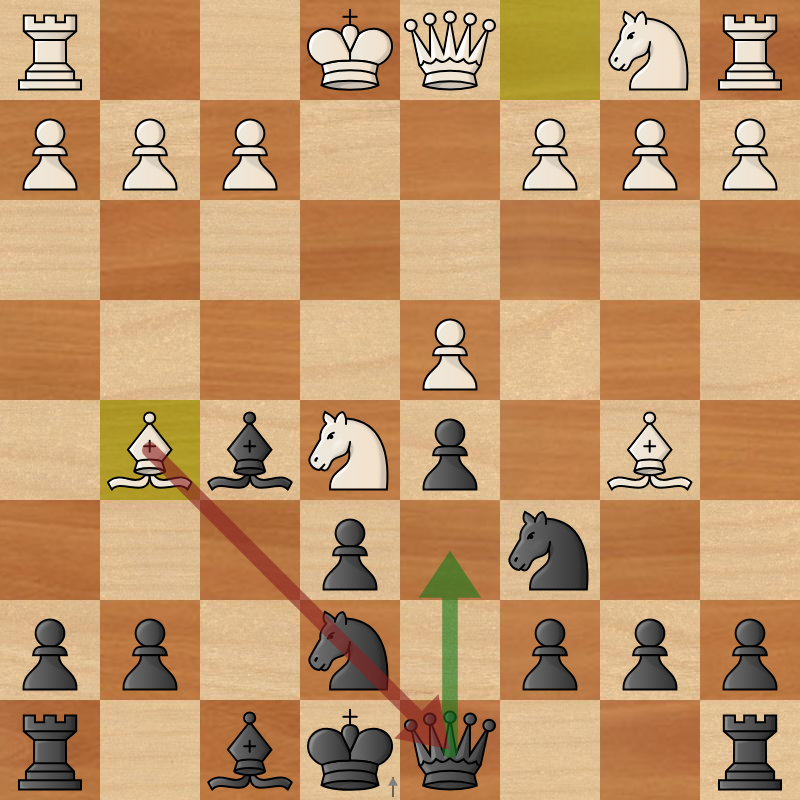 1. e4 Nc6 2. Nf3 f5 3. exf5 d5 4. d4 Bxf5 5. Bb5 e6 6. Ne5 Ne7 7. Bg5 — When White plays Bg5 (threatning Nxc6) we automatically play Qd6
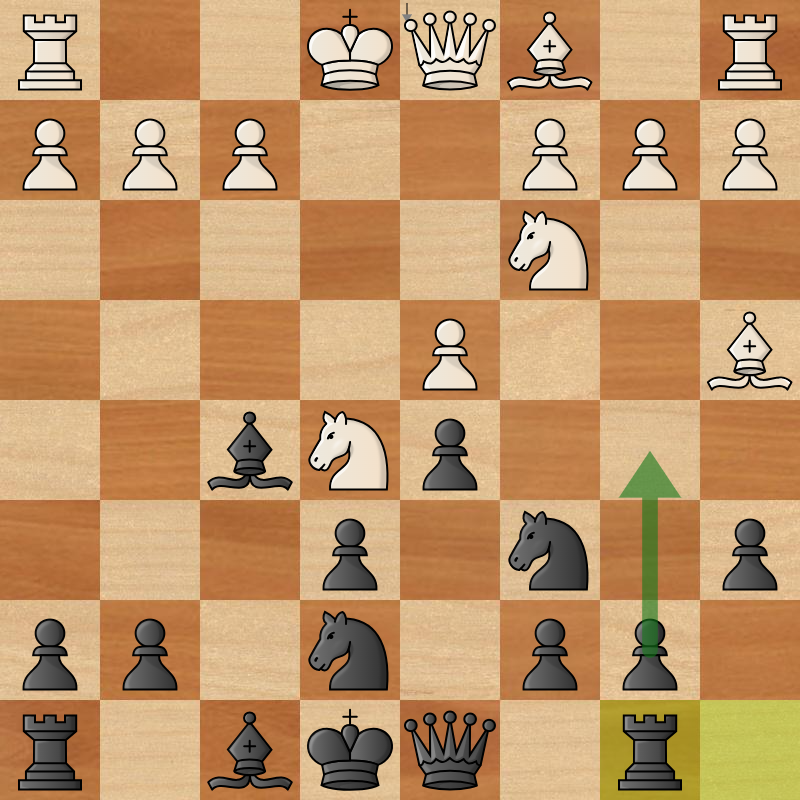 1. e4 Nc6 2. Nf3 f5 3. exf5 d5 4. d4 Bxf5 5. Bb5 e6 6. Ne5 Ne7 7. Nc3! a6 8. Ba4! Rb8 — even against engine move 7.Nc3 (stopping b5) finding the best plan move is pretty easy, we want to break the pin no matter what.
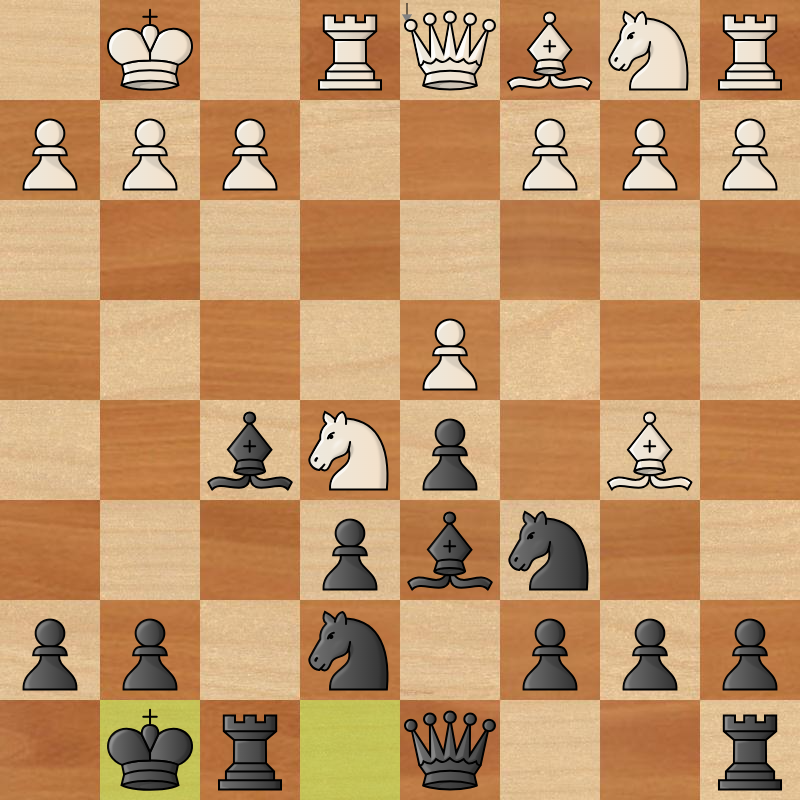 1.e4 Nc6 2. Nf3 f5 3. exf5 d5 4. d4 Bxf5 5. Bb5 e6 6. O-O Bd6 7. Re1 Ne7 8. Ne5 O-O — White failed to use the e5 square to achieve anything. The position is -1.
But there is one more thing... as it turns out, 4.d4 is not the most challenging move. The engine suggests going 4.Bb5–Ne5 right away, where we don't have time for e6–Nge7.
The Refutation
I have never faced this. Which means I'm not the guy to teach you what to do against this. But there is one LEGEND, who has played against the refutation more times than I've played the Colorado Countergambit itself! His name is @SpencerCreek and he has over 6.5K games in the Nimzowitsch! Over 2.6K of those in the Colorado, so this time he will be our teacher (he wins a lot)
By the way, there is a blog post by GM @Avetik_Chessmood, where he goes over the refutation of the Colorado, explaining the position very clrealy, but when it comes to the actual moves, he skips our hero's main move!
Honestly, with Spencer's 5...a6 completing the repertiore, the Nimzowitsch might be the most dangerous blitz weapon against e4. This part will conclude all analysis for this post. If you thought the Colorado is a horrible opening, I hope I managed to change your mind at least a little and I hope you guys feel inspired to try it out after seeing so many tactics in so many different lines!
Also while making this post I stumbled upon 2 different, provocative lines against the Declined Nimzowitsch, one taking advantage of the knight on Nc6, one being playable from the first move (both Scandinavians), so I'm not sure if the Colorado will be my main weapon.
Here's the study link: https://lichess.org/study/9m5HxRwt
And here's a little sneak peek at one of the ideas: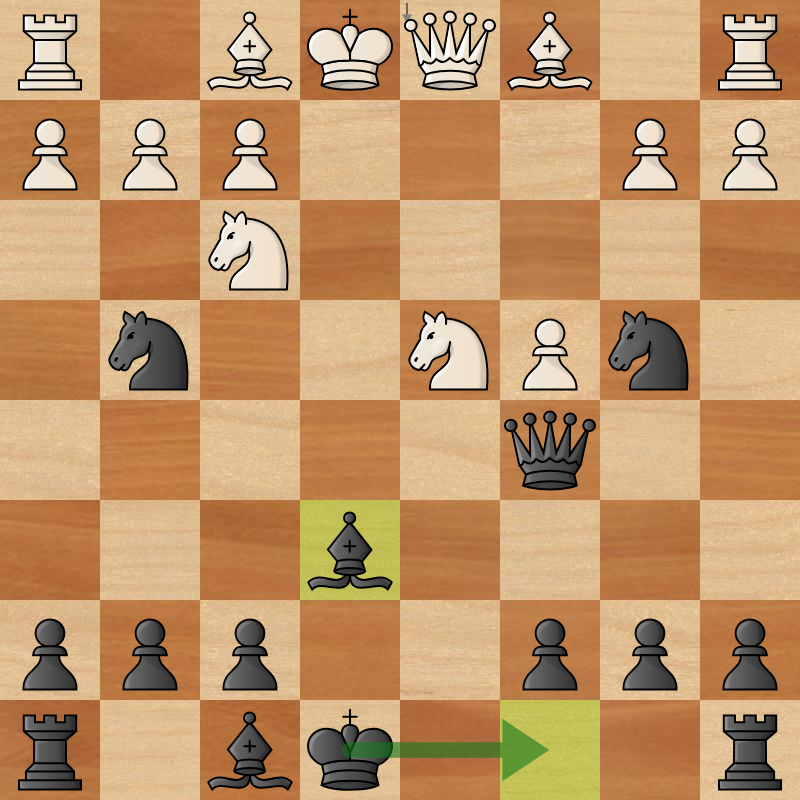
You may also like
 ChessMonitor_Stats
Where do Grandmasters play Chess? - Lichess vs. Chess.com
This is the first large-scale analysis of Grandmaster activity across Chess.com and Lichess from 200… thibault
How I started building Lichess
I get this question sometimes. How did you decide to make a chess server? The truth is, I didn't. CkickyCheck
There Are No Good Anti-Scandinavians
You must accept the Scandi! CkickyCheck
100 games experiment (Part 2/5)
The next 20 annotated games. IM Lizard1
A Very Strange Queen Sacrifice
This game is a perfect example of how material advantage means nothing when your pieces can’t move. GetDiscombobulated