Your network blocks the Lichess assets!

lichess.org
Donate

Is it usefull to analyse won games, if...

Games where one won.

Games where one won.

@GCVM said ^

...you analyse the opponent's mistakes? I mean, it would prob be useless since you already figured out the opponent's mistakes in the game, which won you the game. But even then still, would it be usefull or worth the time to analyse with the board turned around?

you mustve missed capitalizing soem mistakes but later in game found a resource to win so ists useful looking at their side as well unless you had 95-100 accuracy

@GCVM said [^](/forum/redirect/post/2I14jDeo) > ...you analyse the opponent's mistakes? I mean, it would prob be useless since you already figured out the opponent's mistakes in the game, which won you the game. But even then still, would it be usefull or worth the time to analyse with the board turned around? you mustve missed capitalizing soem mistakes but later in game found a resource to win so ists useful looking at their side as well unless you had 95-100 accuracy

@kindaspongey the only problem in that game for me was the e pawn of my opponent. I already got weaker after the opening, unlike what the computer say. Because on an human point of view, advanced pawn chains always look like deadly attacks. He put a great pressure with his g-f-e pawn and I chosed to simply play the f7 pawn out of no concrete others options to calm me at the view of the pawn chain. I knew it was a positional mistake. But I wasn't tempted to use some time to only find a move that will not prevent the idea of having the e pawn or to weaken my castle because of the f6 weak square. Then, he marvelously profited of the positional advantage of his e pawn and after an advantageous rook exchange he had a full advantage.

@kindaspongey the only problem in that game for me was the e pawn of my opponent. I already got weaker after the opening, unlike what the computer say. Because on an human point of view, advanced pawn chains always look like deadly attacks. He put a great pressure with his g-f-e pawn and I chosed to simply play the f7 pawn out of no concrete others options to calm me at the view of the pawn chain. I knew it was a positional mistake. But I wasn't tempted to use some time to only find a move that will not prevent the idea of having the e pawn or to weaken my castle because of the f6 weak square. Then, he marvelously profited of the positional advantage of his e pawn and after an advantageous rook exchange he had a full advantage.

@CSKA_Moscou said in #34:

I usually analyze mostly my won game because for my lost ones, I already know what happened so that's why I lost.
It's been a long time since the last time I said to myself : why did I lose

@kindaspongey said in #38:

... After the [Event "Lichess Liga 10A Team Battle"] [Site "https://lichess.org/oefvg6t1"] [Date "2026.06.25"] [Black "DerExorzist"] [Result "0-1"] [TimeControl "300+0"] [Annotator "lichess.org"] game, would it have been beneficial to take a second look at the position after 1 e4 Nf6 2 Nc3 d5 3 e5 Ne4 4 d4 Nxc3 5 bxc3 Bf5, and take note that you could have had an ~1-point advantage by playing 6 Rb1 instead of 6 Bd3 ? Perhaps, it would also have been beneficial to DerExorzist.

@CSKA_Moscou said in #43:

... the only problem in that game for me was the e pawn of my opponent. I already got weaker after the opening, unlike what the computer say. Because on an human point of view, advanced pawn chains always look like deadly attacks. He put a great pressure with his g-f-e pawn and I chosed to simply play the f7 pawn out of no concrete others options to calm me at the view of the pawn chain. I knew it was a positional mistake. But I wasn't tempted to use some time to only find a move that will not prevent the idea of having the e pawn or to weaken my castle because of the f6 weak square. Then, he marvelously profited of the positional advantage of his e pawn and after an advantageous rook exchange he had a full advantage.

You have no interest in the possibilities after 6 Rb1 ? 16 Nd3 ? 19 Bh6 ? 23 Nf3 ? 28 Nf4 ? 29 Qe5 ? 30 Rf1 ? 32 Nxd5 ? 34 Qe2 ?

6 Bd3 Bxd3 7 cxd3 e6 8 Nf3 c5 9 dxc5 Bxc5 10 d4 Be7 11 O-O b6 12 a4 Nc6 13 Bd2 Na5 14 Qe2 O-O 15 Ne1 Rc8 16 f4?! (-0.35 --> -1.02) Inaccuracy. Nd3 was best. 16...g6 17 g4 Qd7 18 f5 f6 19 exf6 Bxf6 20 fxe6 Qc6 21 Bh6 Bg7 22 Bxg7 Kxg7 23 Qe5+?! (3.68 --> 2.29) Inaccuracy. Nf3 was best. 23...Kg8 24 Ng2 Nc4 25 Qe2 Rce8 26 Rxf8+ Kxf8 27 Rf1+ Kg8 28 Rf6 Nd6 29 g5?? (3.76 --> -0.87) Blunder. Qe5 was best. 29...Ne4 30 Nf4?? (-0.96 --> -3.39) Blunder. Rf1 was best. 30...Qd6 31 Qg4 Qa3 32 Rf7?? (4.21 --> 0.00) Blunder. Nxd5 was best. 32...Qc1+ 33 Kg2 Qd2+ 34 Kh3?? (0.00 --> -6.64) Blunder. Qe2 was best.

@CSKA_Moscou said in #34: > I usually analyze mostly my won game because for my lost ones, I already know what happened so that's why I lost. > It's been a long time since the last time I said to myself : why did I lose @kindaspongey said in #38: > ... After the [Event "Lichess Liga 10A Team Battle"] [Site "https://lichess.org/oefvg6t1"] [Date "2026.06.25"] [Black "DerExorzist"] [Result "0-1"] [TimeControl "300+0"] [Annotator "lichess.org"] game, would it have been beneficial to take a second look at the position after 1 e4 Nf6 2 Nc3 d5 3 e5 Ne4 4 d4 Nxc3 5 bxc3 Bf5, and take note that you could have had an ~1-point advantage by playing 6 Rb1 instead of 6 Bd3 ? Perhaps, it would also have been beneficial to DerExorzist. @CSKA_Moscou said in #43: > ... the only problem in that game for me was the e pawn of my opponent. I already got weaker after the opening, unlike what the computer say. Because on an human point of view, advanced pawn chains always look like deadly attacks. He put a great pressure with his g-f-e pawn and I chosed to simply play the f7 pawn out of no concrete others options to calm me at the view of the pawn chain. I knew it was a positional mistake. But I wasn't tempted to use some time to only find a move that will not prevent the idea of having the e pawn or to weaken my castle because of the f6 weak square. Then, he marvelously profited of the positional advantage of his e pawn and after an advantageous rook exchange he had a full advantage. You have no interest in the possibilities after 6 Rb1 ? 16 Nd3 ? 19 Bh6 ? 23 Nf3 ? 28 Nf4 ? 29 Qe5 ? 30 Rf1 ? 32 Nxd5 ? 34 Qe2 ? 6 Bd3 Bxd3 7 cxd3 e6 8 Nf3 c5 9 dxc5 Bxc5 10 d4 Be7 11 O-O b6 12 a4 Nc6 13 Bd2 Na5 14 Qe2 O-O 15 Ne1 Rc8 16 f4?! (-0.35 --> -1.02) Inaccuracy. Nd3 was best. 16...g6 17 g4 Qd7 18 f5 f6 19 exf6 Bxf6 20 fxe6 Qc6 21 Bh6 Bg7 22 Bxg7 Kxg7 23 Qe5+?! (3.68 --> 2.29) Inaccuracy. Nf3 was best. 23...Kg8 24 Ng2 Nc4 25 Qe2 Rce8 26 Rxf8+ Kxf8 27 Rf1+ Kg8 28 Rf6 Nd6 29 g5?? (3.76 --> -0.87) Blunder. Qe5 was best. 29...Ne4 30 Nf4?? (-0.96 --> -3.39) Blunder. Rf1 was best. 30...Qd6 31 Qg4 Qa3 32 Rf7?? (4.21 --> 0.00) Blunder. Nxd5 was best. 32...Qc1+ 33 Kg2 Qd2+ 34 Kh3?? (0.00 --> -6.64) Blunder. Qe2 was best.

@kindaspongey Those moves wouldn't have given me any significant advantage — about what type of advantage I can concretize. My bishop had limited room to maneuver. And his bishop too. While he had more well placed pawns structure. Having seen one of his games on the tournament screen, I realized he was a very attacking player, I therefore prioritized an approach designed to maximize my potential chances against such an opponent by playing very defensively

— hoping he might forgot a piece or make a mistake due to time pressure. Though that didn't happen, for the reasons detailed in my post. Furthermore, the computer doesn't take in account in the psychological aspect, as a higher-rated player, my opponent was looking to make things up and secure the points quickly, whereas my strategy was to play as safely as possible.

@kindaspongey Those moves wouldn't have given me any significant advantage — about what type of advantage I can concretize. My bishop had limited room to maneuver. And his bishop too. While he had more well placed pawns structure. Having seen one of his games on the tournament screen, I realized he was a very attacking player, I therefore prioritized an approach designed to maximize my potential chances against such an opponent by playing very defensively — hoping he might forgot a piece or make a mistake due to time pressure. Though that didn't happen, for the reasons detailed in my post. Furthermore, the computer doesn't take in account in the psychological aspect, as a higher-rated player, my opponent was looking to make things up and secure the points quickly, whereas my strategy was to play as safely as possible.

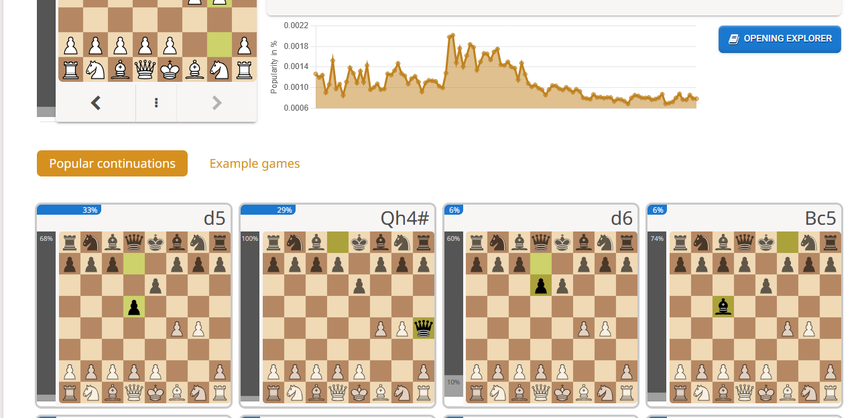
Well just to show how analysing won games can be helpful I'll give an example of a slightly offbeat sideline of the Bird that arises via the move order 1.f4 e6 2.g4 where I'm sure everyone will know the most popular move.

Just in case anyone didn't know it's obviously 2...d5!
Bird.png

However while 2...d5 is an excellent move that wins 68% of the time eagle eyed viewers will notice that second most popular move scores even better. I've seen players up to 2900+ play 2...d5 although can't say whether it's being unfamiliar with the opening trap or that it's 1+0 and they premoved. While example I gave is a bit exaggerated it's amazing how often you'll find players blunder in common opening positions and I've literally won dozens of games after engine picked up a missed tactic that I was able to repeat in subsequent games.

Well just to show how analysing won games can be helpful I'll give an example of a slightly offbeat sideline of the Bird that arises via the move order 1.f4 e6 2.g4 where I'm sure everyone will know the most popular move. Just in case anyone didn't know it's obviously 2...d5! ![Bird.png](https://image.lichess1.org/display?fmt=png&h=0&op=resize&path=PqJMuV_W_DD_.png&w=864&sig=dd73c237c7b6e47e6d82682c8497914b61f1cb93) However while 2...d5 is an excellent move that wins 68% of the time eagle eyed viewers will notice that second most popular move scores even better. I've seen players up to 2900+ play 2...d5 although can't say whether it's being unfamiliar with the opening trap or that it's 1+0 and they premoved. While example I gave is a bit exaggerated it's amazing how often you'll find players blunder in common opening positions and I've literally won dozens of games after engine picked up a missed tactic that I was able to repeat in subsequent games.

[Site "https://lichess.org/oefvg6t1"] [Annotator "lichess.org"] 1 e4 Nf6 2 Nc3 d5 3 e5 Ne4 4 d4 Nxc3 5 bxc3 Bf5 6 Bd3 Bxd3 7 cxd3 e6 8 Nf3 c5 9 dxc5 Bxc5 10 d4 Be7 11 O-O b6 12 a4 Nc6 13 Bd2 Na5 14 Qe2 O-O 15 Ne1 Rc8 16 f4?! (-0.35 --> -1.02) Inaccuracy. Nd3 was best. 16...g6 17 g4 Qd7 18 f5 f6 19 exf6 Bxf6 20 fxe6 Qc6 21 Bh6 Bg7 22 Bxg7 Kxg7 23 Qe5+?! (3.68 --> 2.29) Inaccuracy. Nf3 was best. 23...Kg8 24 Ng2 Nc4 25 Qe2 Rce8 26 Rxf8+ Kxf8 27 Rf1+ Kg8 28 Rf6 Nd6 29 g5?? (3.76 --> -0.87) Blunder. Qe5 was best. 29...Ne4 30 Nf4?? (-0.96 --> -3.39) Blunder. Rf1 was best. 30...Qd6 31 Qg4 Qa3 32 Rf7?? (4.21 --> 0.00) Blunder. Nxd5 was best. 32...Qc1+ 33 Kg2 Qd2+ 34 Kh3?? (0.00 --> -6.64) Blunder. Qe2 was best.

@CSKA_Moscou said in #45:

... Those moves wouldn't have given me any significant advantage

Not even 29 Qe5 (“3.76”)?

@CSKA_Moscou said in #45:

— about what type of advantage I can concretize. ...

Might it be worthwhile to examine the possibilities after 29 Qe5 if you want to improve your concretizing ability?

@CSKA_Moscou said in #45:

... I therefore prioritized an approach designed to maximize my potential chances against such an opponent by playing very defensively

Wouldn’t 34 Qe2 (“0.00”) have been a way to play defensively and have a better potential than the result of 34 Kh3 (“-6.64”)?

@CSKA_Moscou said in #45:

— hoping he might forgot a piece or make a mistake due to time pressure. Though that didn't happen, for the reasons detailed in my post.

Wasn’t 31...Qa3 (“4.21”) a mistake that you might have exploited with 32 Nxd5 ?

@CSKA_Moscou said in #45:

Furthermore, the computer doesn't take in account in the psychological aspect, as a higher-rated player, my opponent was looking to make things up and secure the points quickly, whereas my strategy was to play as safely as possible.

Was 30 Nf4 (“-3.39”) safer than 30 Rf1 (“-0.96”)?

[Site "https://lichess.org/oefvg6t1"] [Annotator "lichess.org"] 1 e4 Nf6 2 Nc3 d5 3 e5 Ne4 4 d4 Nxc3 5 bxc3 Bf5 6 Bd3 Bxd3 7 cxd3 e6 8 Nf3 c5 9 dxc5 Bxc5 10 d4 Be7 11 O-O b6 12 a4 Nc6 13 Bd2 Na5 14 Qe2 O-O 15 Ne1 Rc8 16 f4?! (-0.35 --> -1.02) Inaccuracy. Nd3 was best. 16...g6 17 g4 Qd7 18 f5 f6 19 exf6 Bxf6 20 fxe6 Qc6 21 Bh6 Bg7 22 Bxg7 Kxg7 23 Qe5+?! (3.68 --> 2.29) Inaccuracy. Nf3 was best. 23...Kg8 24 Ng2 Nc4 25 Qe2 Rce8 26 Rxf8+ Kxf8 27 Rf1+ Kg8 28 Rf6 Nd6 29 g5?? (3.76 --> -0.87) Blunder. Qe5 was best. 29...Ne4 30 Nf4?? (-0.96 --> -3.39) Blunder. Rf1 was best. 30...Qd6 31 Qg4 Qa3 32 Rf7?? (4.21 --> 0.00) Blunder. Nxd5 was best. 32...Qc1+ 33 Kg2 Qd2+ 34 Kh3?? (0.00 --> -6.64) Blunder. Qe2 was best. @CSKA_Moscou said in #45: > ... Those moves wouldn't have given me any significant advantage Not even 29 Qe5 (“3.76”)? @CSKA_Moscou said in #45: > — about what type of advantage I can concretize. ... Might it be worthwhile to examine the possibilities after 29 Qe5 if you want to improve your concretizing ability? @CSKA_Moscou said in #45: > ... I therefore prioritized an approach designed to maximize my potential chances against such an opponent by playing very defensively Wouldn’t 34 Qe2 (“0.00”) have been a way to play defensively and have a better potential than the result of 34 Kh3 (“-6.64”)? @CSKA_Moscou said in #45: > — hoping he might forgot a piece or make a mistake due to time pressure. Though that didn't happen, for the reasons detailed in my post. Wasn’t 31...Qa3 (“4.21”) a mistake that you might have exploited with 32 Nxd5 ? @CSKA_Moscou said in #45: > Furthermore, the computer doesn't take in account in the psychological aspect, as a higher-rated player, my opponent was looking to make things up and secure the points quickly, whereas my strategy was to play as safely as possible. Was 30 Nf4 (“-3.39”) safer than 30 Rf1 (“-0.96”)?